The best walks and hikes around Altmannstein
4.4
(506)
1,867
hikers
153
hikes
Hiking around Altmannstein offers diverse landscapes within the Altmühltal Nature Park, characterized by picturesque valleys like the Schambachtal, juniper heaths, and distinctive rock formations. The region also features historical elements, including sections of the Roman Limes, a UNESCO World Heritage site. Its varied terrain provides routes suitable for different fitness levels, from gentle valley walks to trails with significant elevation changes.
Best hiking trails around Altmannstein
- The most popular hiking route is Schlaufe Schambachtal (Schambachtal Loop) – Altmühltal Nature Park…
Last updated: November 14, 2026
4.4
(19)
55
hikers
24.5km
06:57
500m
500m
Hard hike. Very good fitness required. Mostly walkable paths. Sure-footedness required.
4.3
(19)
53
hikers
5.83km
01:36
90m
90m
Easy hike. Easily walkable paths.

4.6
(14)
36
hikers
14.3km
03:50
170m
170m
Moderate hike. Good fitness required. Easily walkable paths.
4.0
(2)
28
hikers
Easy hike. Easily walkable paths.
4.0
(4)
12
hikers
8.48km
02:24
180m
180m
Moderate hike. Good fitness required. Easily walkable paths.
Get access to more routes and recommendations from other explorers.
Already have an account?
Our route recommendations are based on thousands of hikes, rides, and runs completed by other people on komoot.
Start today with a free account
Your next adventure awaits.
Popular around Altmannstein
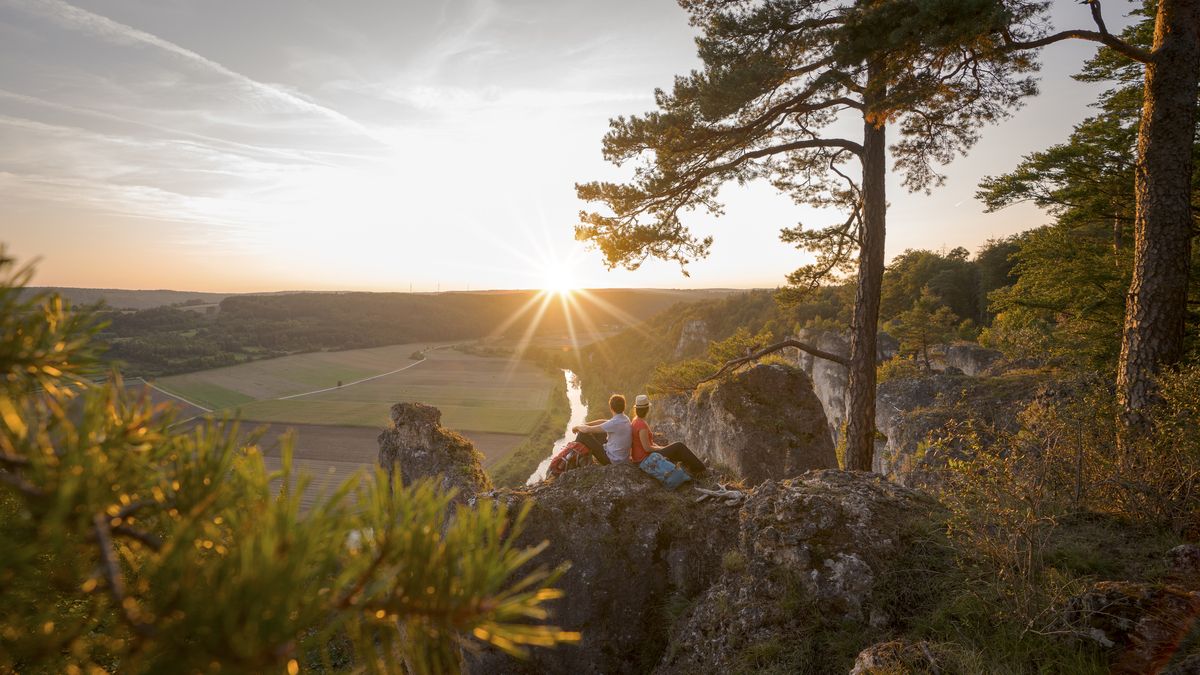
Wonderful nature and endless variety – Altmühltal Nature Park
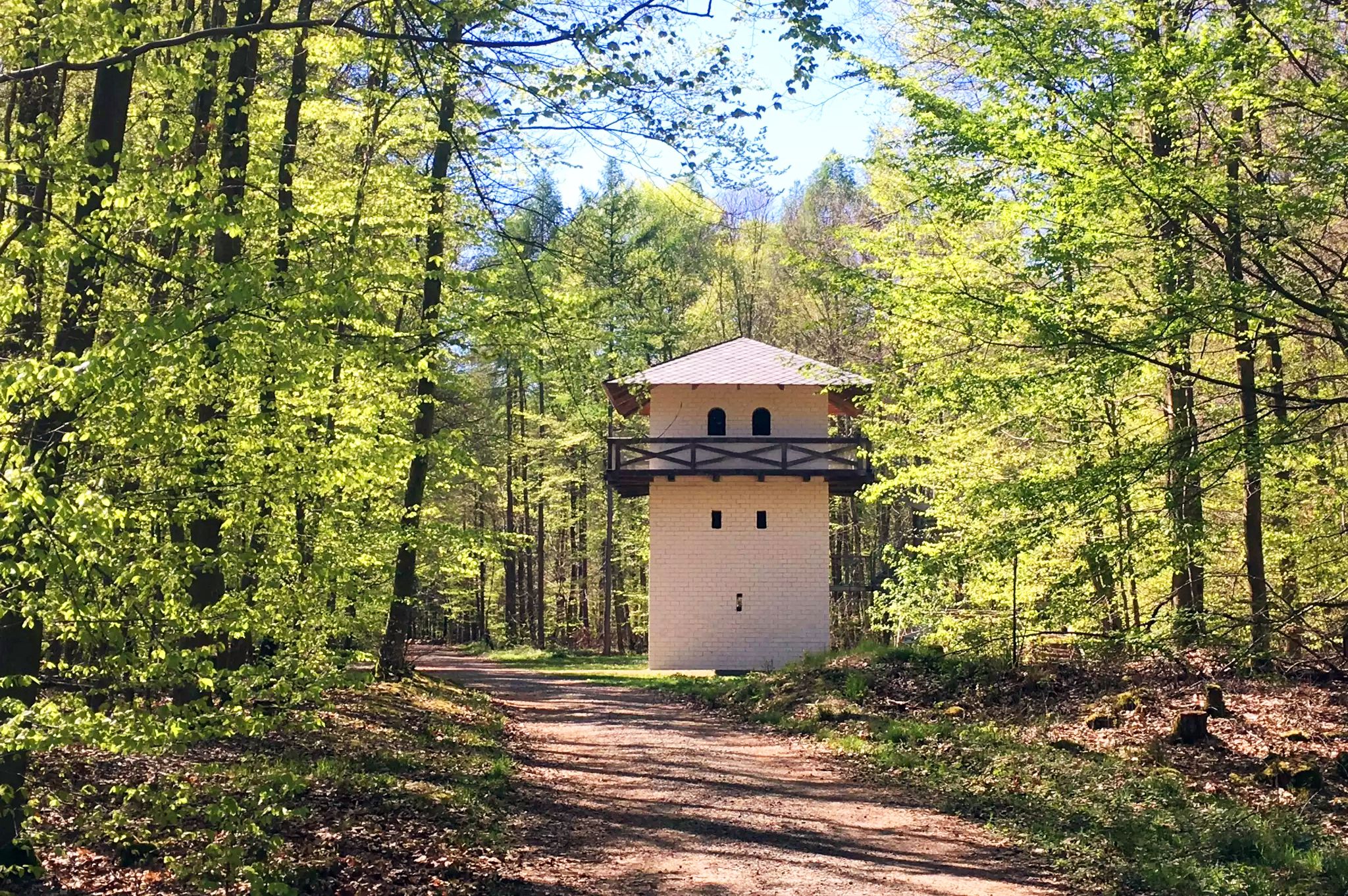
German Limes Cycle Path – Riding from the Rhine to the Danube
Cycling around Altmannstein
Road Cycling Routes around Altmannstein

Gravel biking around Altmannstein
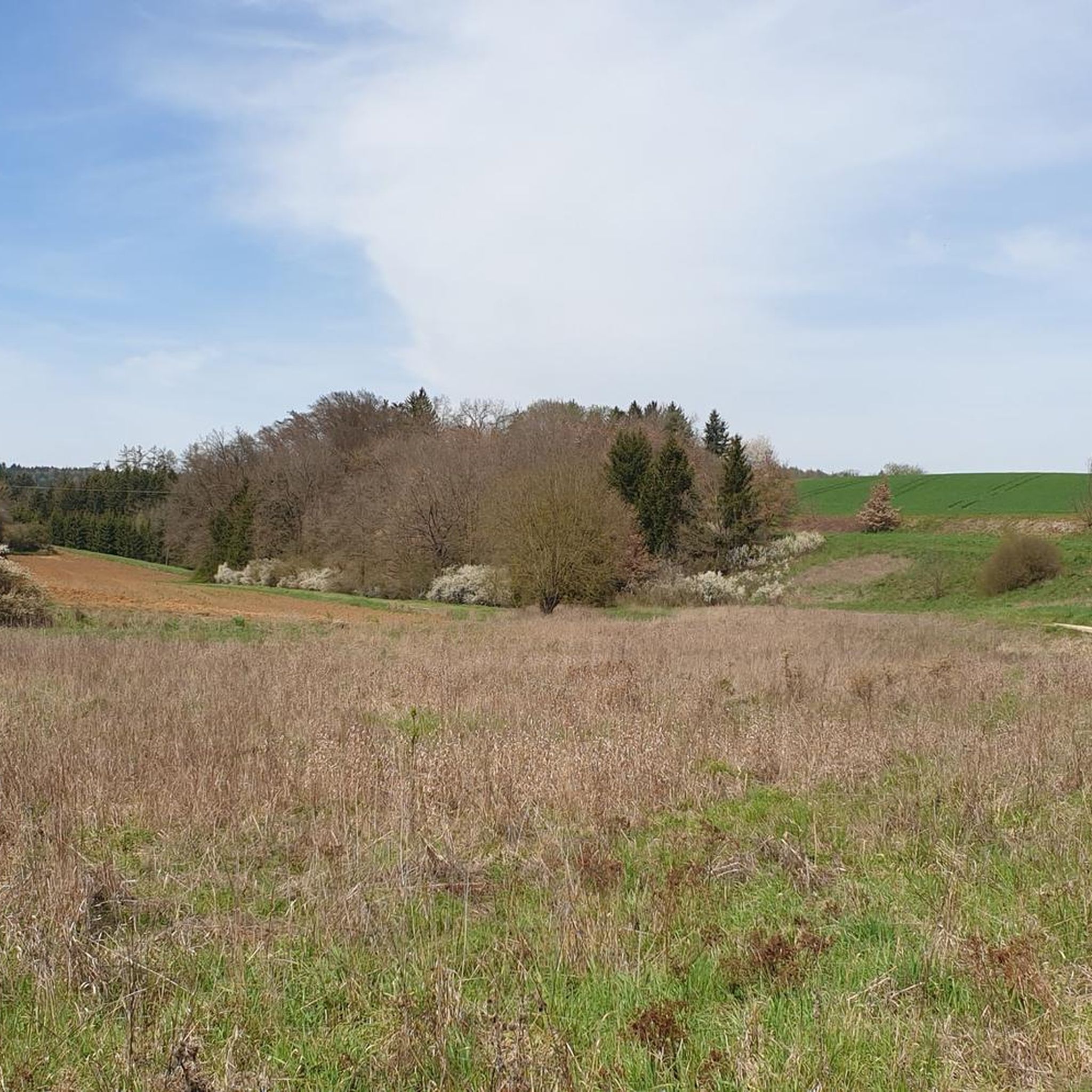
MTB Trails around Altmannstein
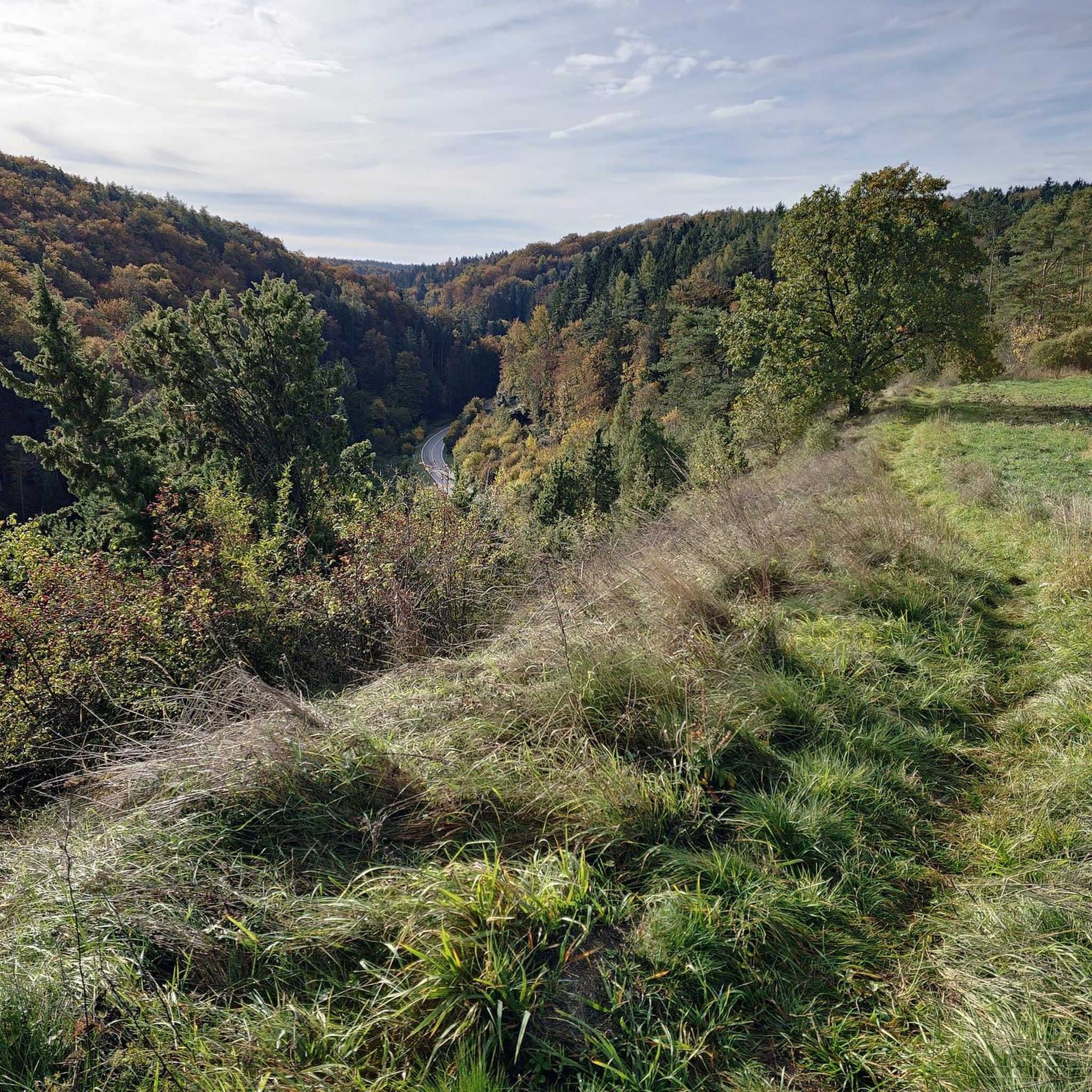
Running Trails around Altmannstein
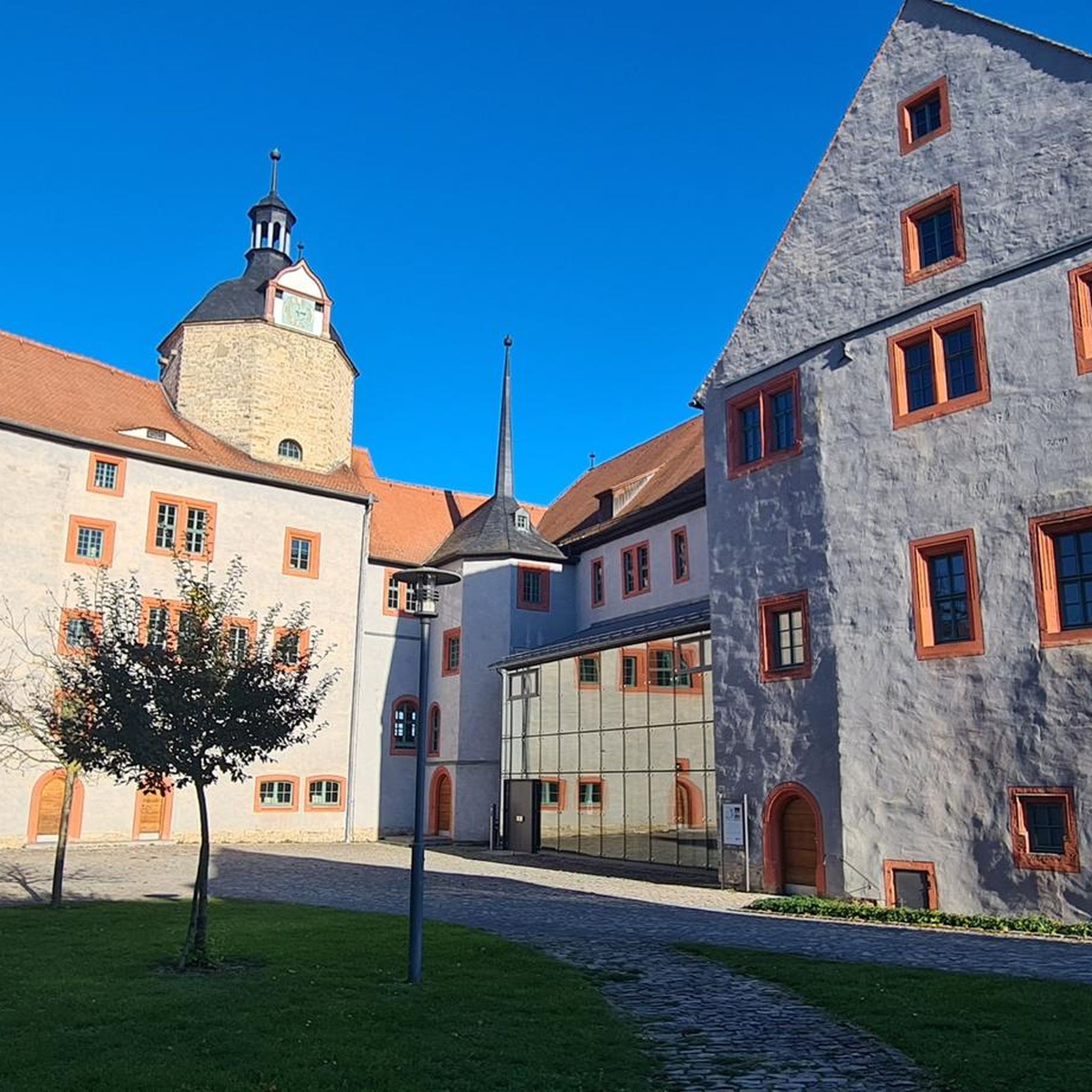
Mountain Hikes around Altmannstein


Tips from the Community

Wonderful area, always nice to go on a journey of discovery here again
0
0

Small, charming chapel on the outskirts of Ottersdorf.
0
0

A very beautiful chapel
0
0
Simply beautiful, go in and take a seat and say a silent prayer.
0
0

Holy Cross Parish Church The origins of the Holy Cross Church are unknown, but a church building must have existed as early as 1421, when the mass benefice was established. Due to severe damage, the roof and roof trusses were replaced in 1664. The veneration of an old wooden image is recorded from 1699 to 1705. The dilapidated church was rebuilt from 1760 to 1764 under master mason M. Prädl. Due to lack of space, a tower was built over the choir, but it collapsed shortly before completion in 1761, severely damaging the nave. The tower was subsequently relocated to its current location, but was not completed until after the church's consecration in 1763. In 1858, the church was extended by 15 feet to the west. During a comprehensive restoration in 1890, three new altars were added. In 1908, stained-glass windows were finally added, and in 1909, the damaged structure was repaired. The church's reconstruction in 1959, under the direction of architect Friedrich Ferdinand Haindl from Munich, resulted in a generous extension of the nave and extensive renovation of the interior. Only the choir and tower remained in their original state. The nave is shaped like a long rectangular hall. The side walls are rhythmically divided by four high, segmental-arched windows. A window bearing the coat of arms of Bishop M. Buchberger breaks through the west wall above the organ loft, supported by round columns. Figurative and ornamental paintings adorn the flat, coffered wooden ceiling. The slightly raised main choir is divided into five segments by piastres and bases and expansive imposts, and is distinguished by a fresco in the vault. Round-arched windows positioned to the sides of the choir provide illumination for the room. The church's interior is given a sense of unity—despite the different construction periods of the choir and nave—by its attention to the monumental crucifix in the choir, which dominates the entire space. The restrained color scheme and unobtrusive form of the remaining furnishings do not compete with the cross, allowing it to become the focal point. The lighting and the clear, manageable form allow the modern nave to blend in with the Rococo choir and the cross without denying its own period of origin. Source: www.das-altmuehltal.de/altmannstein/kreuz
2
0
Large Oak Tree near Ottersdorf Location: Directly at the edge of the forest near a large field, near the Ottersdorf farmstead and chapel. Also called a 1,000-year-old oak. The cylindrical trunk is completely free of branches up to a height of about 5 m. The trunk has no hollow, but does show lightning damage extending from the crown to the ground. The crown is formed by several upright branches and reaches high. There are numerous dead branches in the crown. After the Bavaria beech in Pondorf, which suddenly broke apart, this oak tree is now perhaps the most remarkable tree in the region. Tree species: English oak Age: 600 years and older Circumference: 8.22 m – Date measured: October 2, 2023 Height: 24.0 m Condition: Vital, lightning damage Source: https://www.baumkunde.de/baumregister/1397-grosse_eiche_bei_ottersdorf/
2
0
Frequently Asked Questions
How many hiking trails are available around Altmannstein?
Altmannstein offers a wide variety of hiking experiences, with over 150 trails recorded on komoot. These range from easy strolls to more challenging routes, catering to all fitness levels.
What kind of terrain can I expect on hikes in Altmannstein?
The terrain around Altmannstein is quite diverse, situated within the Altmühltal Nature Park. You'll encounter picturesque valleys like the Schambachtal, juniper heaths, and distinctive rock formations. Some trails follow sections of the historical Roman Limes, while others feature significant elevation changes, offering varied landscapes for exploration.
Are there any historical sites or landmarks to see while hiking in Altmannstein?
Yes, the region is rich in history. You can hike along sections of the Roman Limes, a UNESCO World Heritage site. Other notable historical points include the ruins of Burg Altmannstein and the Baroque Schloss Sandersdorf, which can be incorporated into various routes, such as the Sandersdorf Castle – Okandada Wakon Medicine Wheel loop from Schamhaupten.
What natural features can I explore on the trails?
Beyond the scenic Altmühltal Nature Park and Schambachtal valley, you can discover remarkable ancient trees like the 800-year-old 'Bavaria-Buche' in Pondorf. The area also features unique geological formations, including several caves and rock arches. For example, you might encounter the Arndthöhle Cave or the Torfelsen Rock Arch.
What do other hikers enjoy most about the trails in Altmannstein?
The trails in Altmannstein are highly rated by the komoot community, with an average score of 4.4 stars from over 500 reviews. Hikers frequently praise the diverse landscapes, the well-marked paths, and the combination of natural beauty with historical elements.
Are there family-friendly hiking options in Altmannstein?
Absolutely. Altmannstein offers many easy, leisurely walks suitable for families. There are numerous local circular hiking trails, some as short as 4 kilometers, that provide a gentle introduction to the region's beauty without demanding significant fitness.
Can I hike with my dog in Altmannstein?
Yes, hiking with dogs is generally permitted on the trails around Altmannstein, especially within the Altmühltal Nature Park. It's always recommended to keep your dog on a leash, particularly in nature conservation areas and near wildlife, to ensure a safe and enjoyable experience for everyone.
Are there many circular hiking routes available?
Yes, Altmannstein is well-suited for circular walks. The region features numerous local circular hiking trails ranging from 4 to 15 kilometers, allowing you to start and end your hike at the same point. A popular option is the Leistmühle and Madonna Grotto – Wacholder Valley loop from Berghausen.
What is the best time of year to go hiking in Altmannstein?
Spring and autumn are generally considered the best times for hiking in Altmannstein. During these seasons, the weather is typically mild, and the natural scenery is particularly vibrant, with blooming wildflowers in spring and colorful foliage in autumn. Summer can also be pleasant, but it's advisable to start early to avoid the midday heat.
Are there options for longer, more challenging hikes?
For those seeking a greater challenge, Altmannstein does offer more demanding routes. The Schlaufe Schambachtal (Schambachtal Loop) – Altmühltal Nature Park is a difficult 24.5 km trail with significant elevation gain, providing a full day's adventure for experienced hikers.
Where can I find parking for hiking trails in Altmannstein?
Parking is generally available at various trailheads and within the villages surrounding Altmannstein. While specific parking areas are not detailed for every route, you can typically find designated spots in Altmannstein itself, Schamhaupten, or Berghausen, which serve as starting points for many popular trails.
Are there places to eat or stay near the hiking trails?
Altmannstein and its surrounding villages offer various options for refreshments and accommodation. You'll find local restaurants, cafes, and guesthouses where you can enjoy traditional Bavarian cuisine and find a comfortable place to stay after your hike.
Most popular routes around Altmannstein
Most popular attractions around Altmannstein

Get inspired with the komoot mobile app


Explore more
Browse the best Hikes in other regions.
