Attractions and Places To See around Marigny-L'Église - Top 20
Best attractions and places to see around Marigny-L'Église include a blend of historical landmarks, natural beauty, and cultural points of interest. Nestled within the wooded mountains of the Morvan Regional Natural Park, the commune offers diverse landscapes. Its rich past, dating back to the Gallo-Roman and Celtic eras, adds to its allure. The area features significant natural elements like Lac du Crescent and extensive hiking opportunities.
Best attractions and places to see around Marigny-L'Église
- The most popular attractions is Chevresse…
Last updated: May 11, 2026
Morvan Regional Park Visitor Centre
Highlight • Other
Translated by Google •
Tip by

Chevresse Dolmen
Highlight • Other
Translated by Google •
Tip by

Sign up now to discover places like this
Get recommendations on the best single tracks, peaks, & plenty of other exciting outdoor places.
Sign up for free
La Pierre-qui-Vire Abbey
Highlight • Other
Translated by Google •
Tip by

Moulin Cadoux
Highlight • Monument
Translated by Google •
Tip by
Crescent Dam
Highlight • Monument
Translated by Google •
Tip by

Sign up for free to discover even more attractions around Marigny-L'Église.
Sign up for free
Already have an account?
Start today with a free account
Your next adventure awaits.
Login or Signup
Popular around Marigny-L'Église
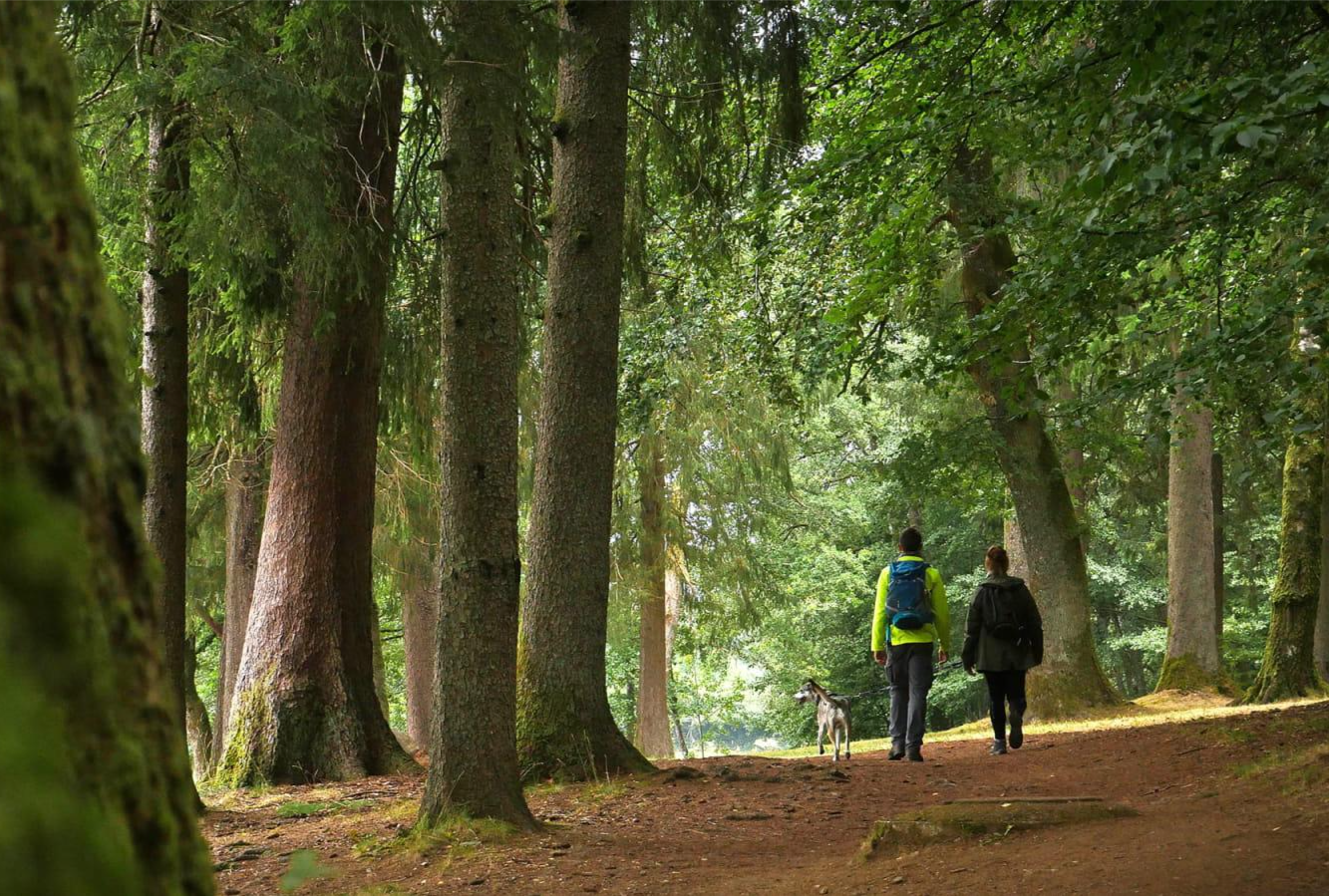
Tour du Morvan — The little mountain of Burgundy
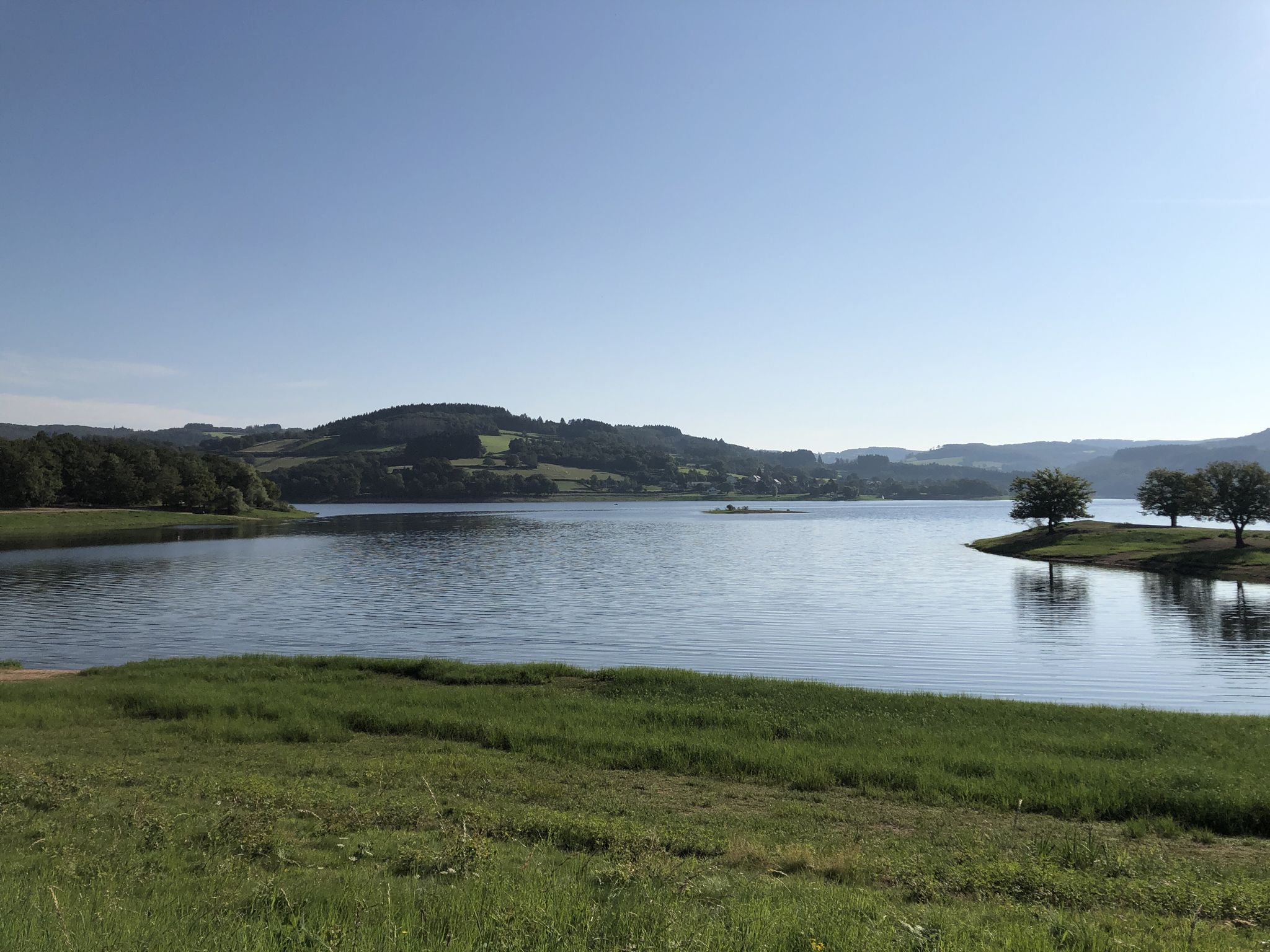
Between summits and big lakes — gravel riding in France’s Morvan park
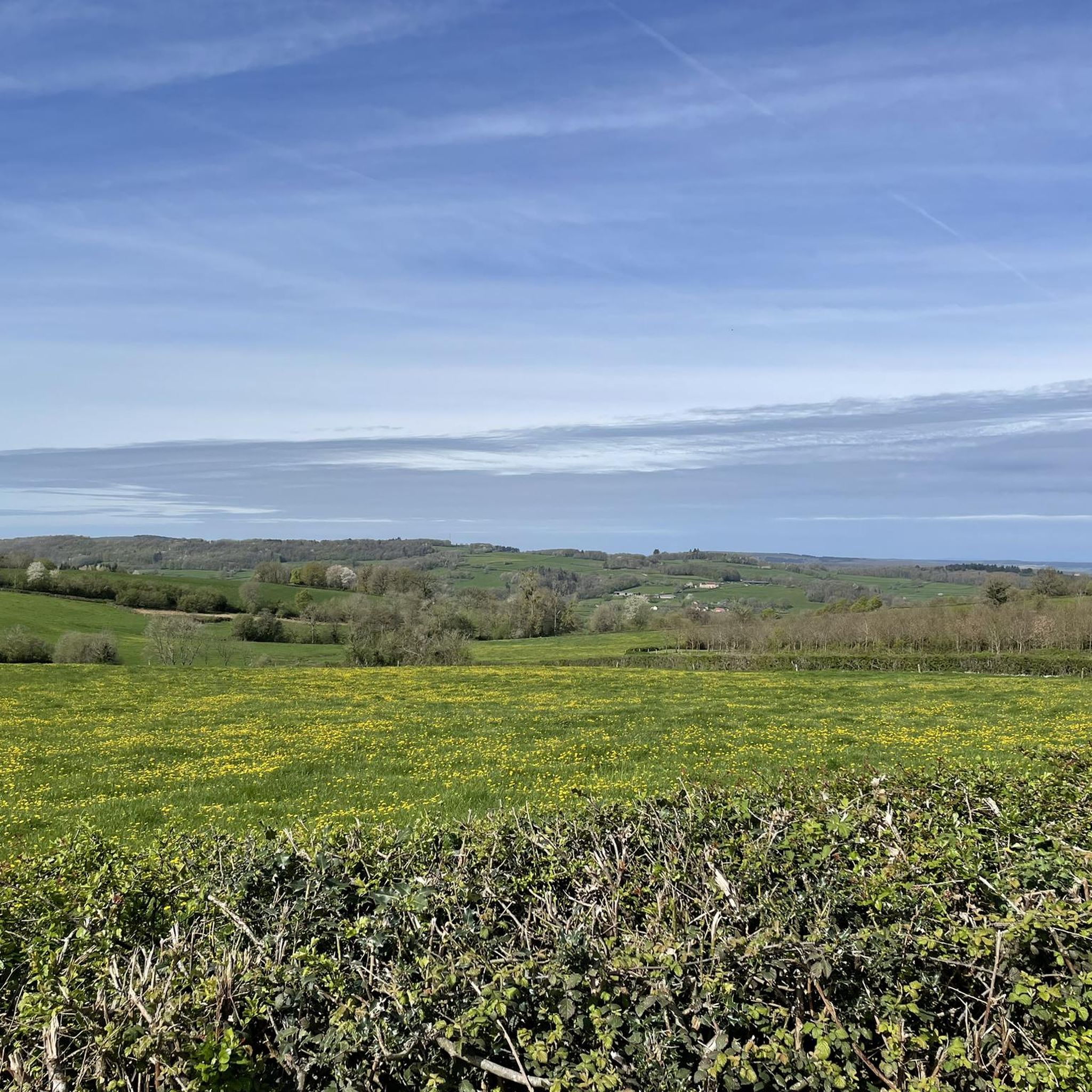
Hiking around Marigny-L'Église
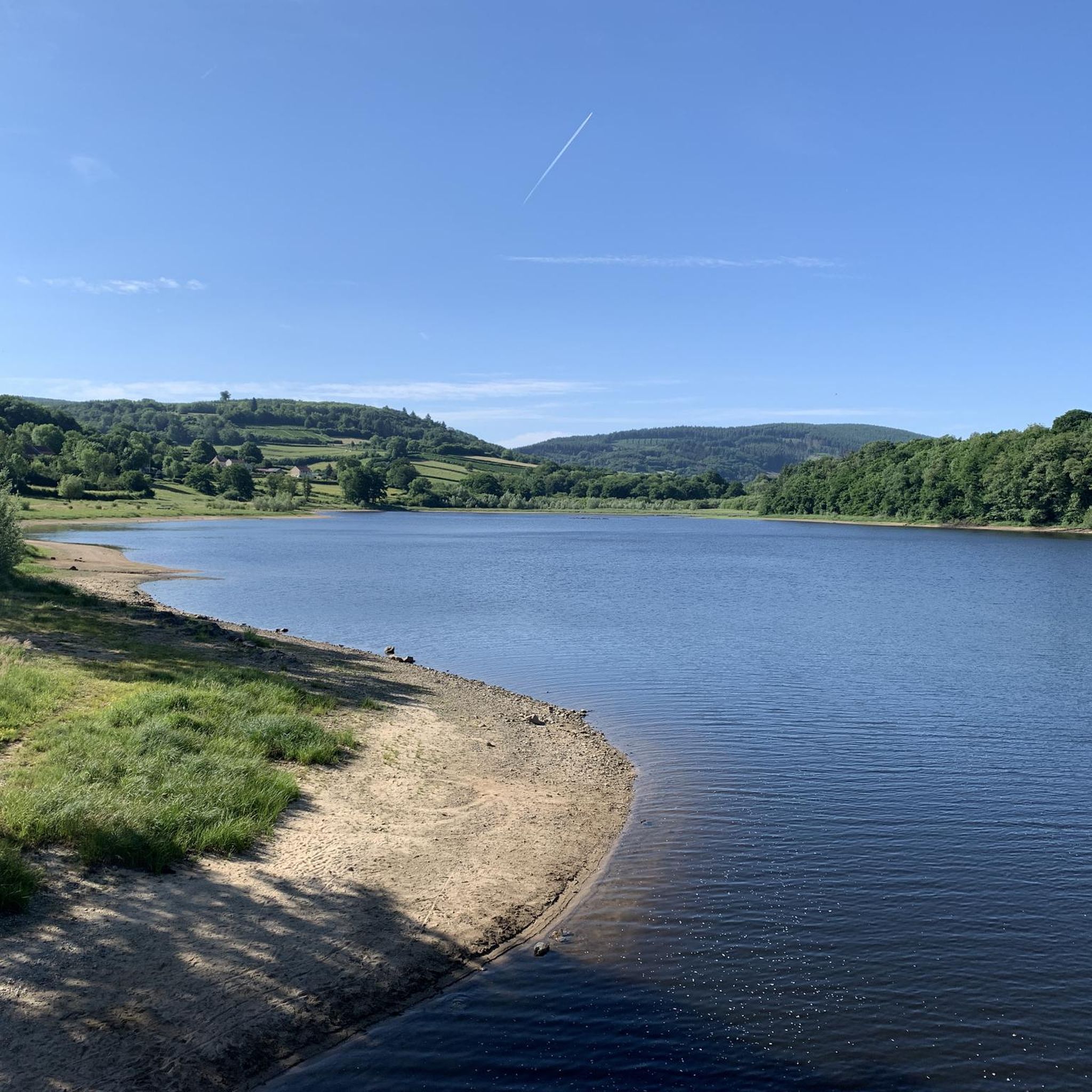
Road Cycling Routes around Marigny-L'Église
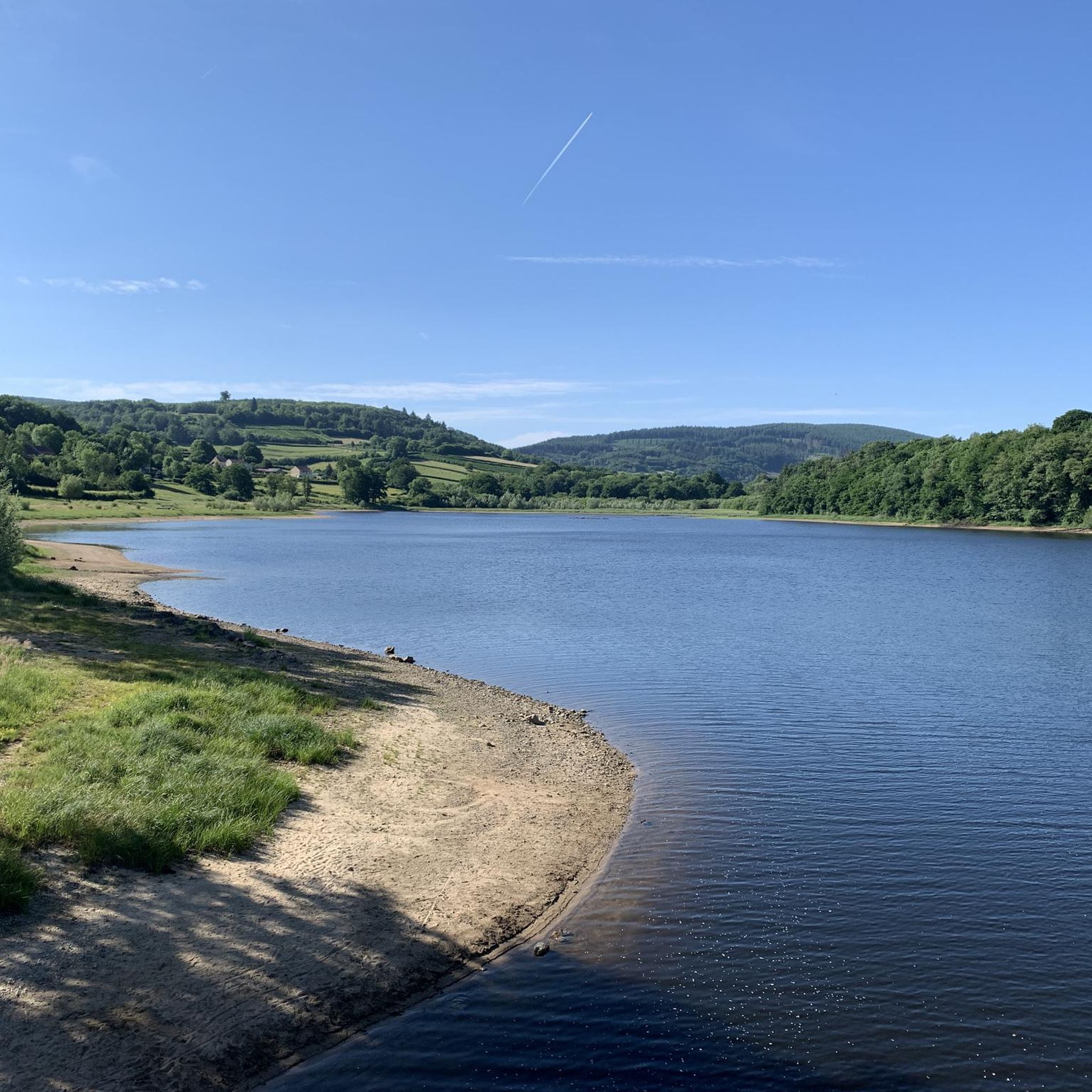
Cycling around Marigny-L'Église
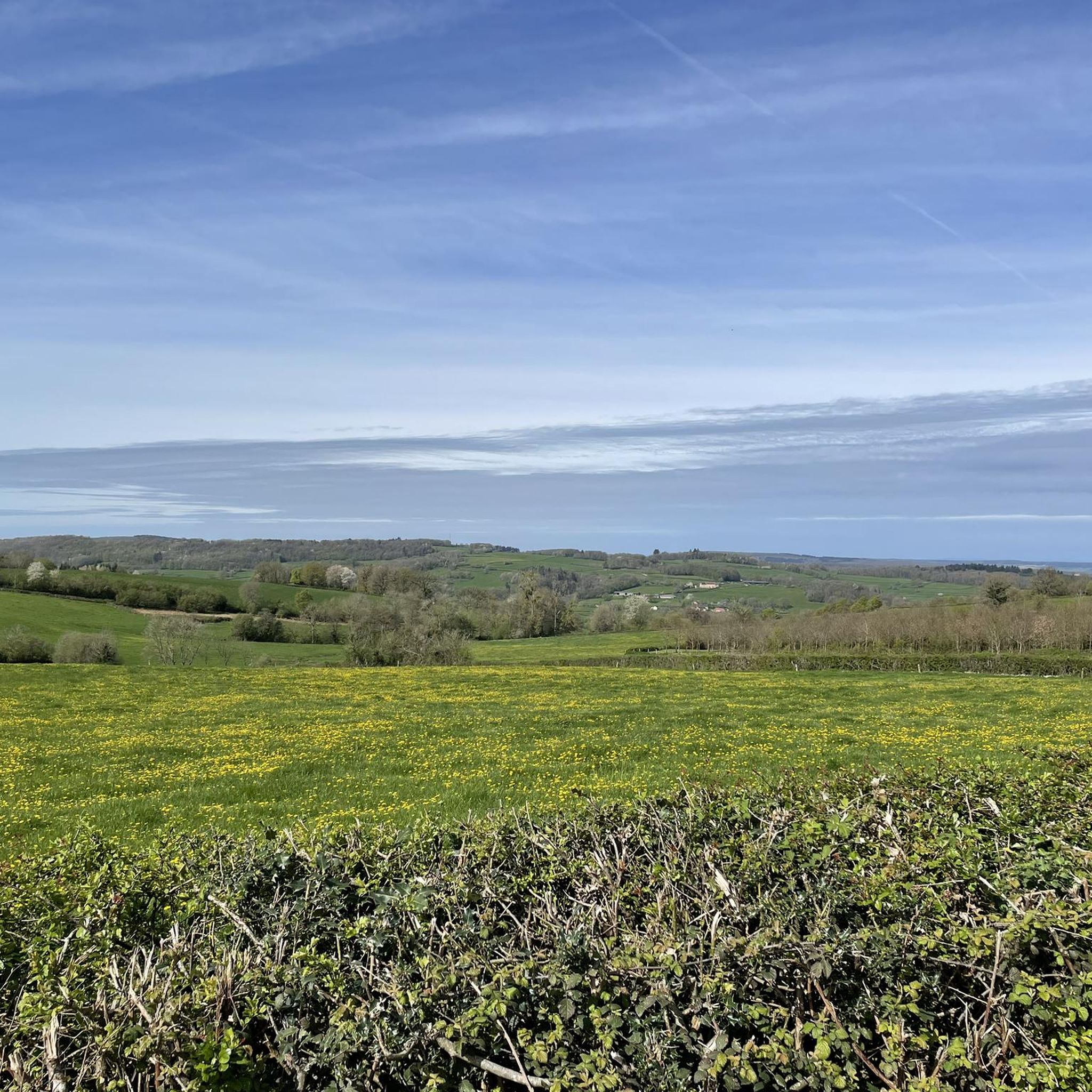
MTB Trails around Marigny-L'Église
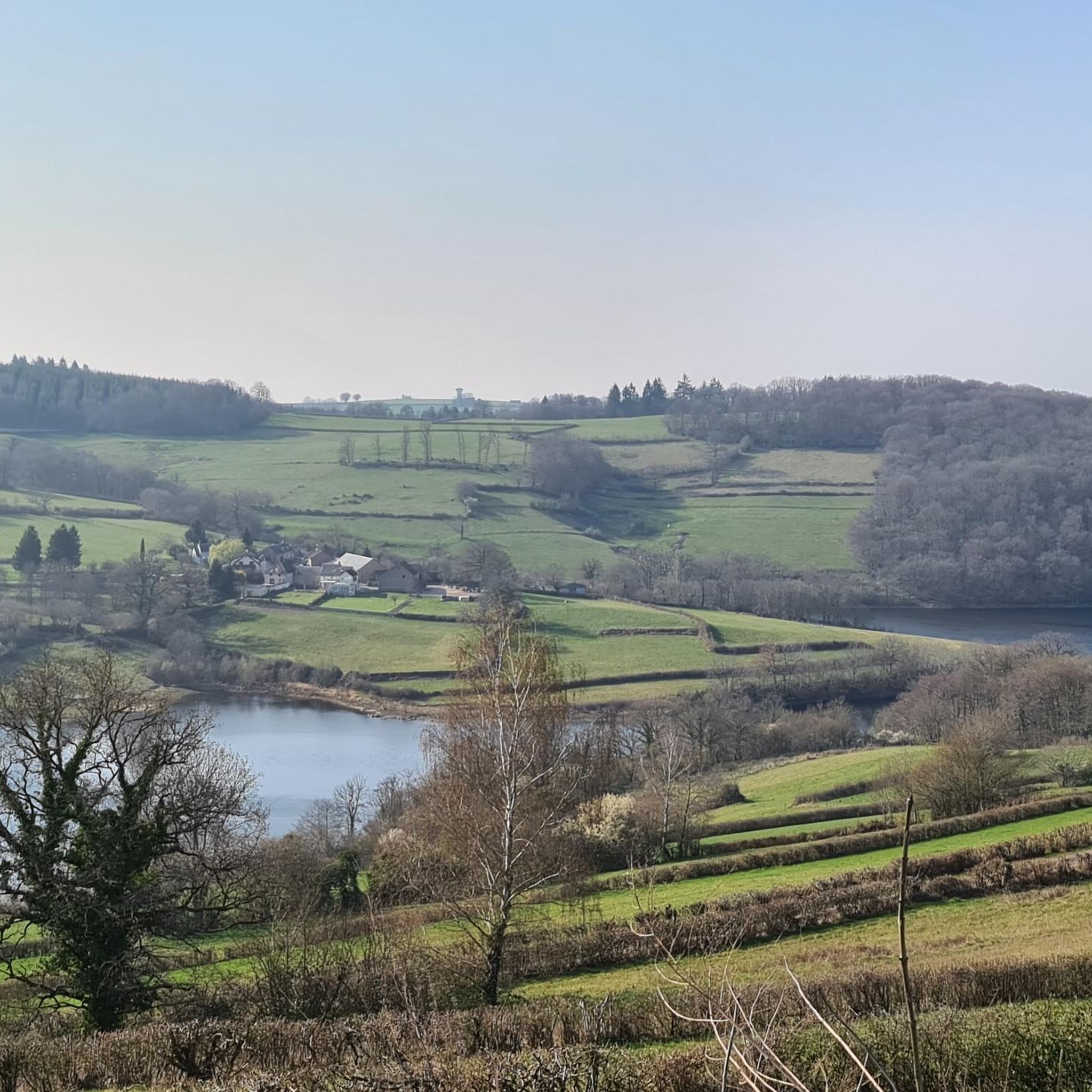
Running Trails around Marigny-L'Église

Gravel biking around Marigny-L'Église


Tips from the Community

The Maison du Parc offers a preserved setting. Located near the Étang Taureau (Taureau Pond), it's a true playground for exploration for young and old alike. Discovery trails, a heritage orchard, a botanical garden... It's an ideal stop for discovering the treasures of the Morvan region. A bistro-tea room is also available for refreshments.
0
0

Located in the heart of the Morvan forest, the Abbey of La Pierre-qui-Vire was founded in the 19th century. It owes its name to an imposing granite block "in equilibrium," an emblem of the place. An almost suspended atmosphere reigns here.
0
0

The Maison du Parc in Saint-Brisson is a complex that includes the administrative center of the Morvan Regional Natural Park, a documentation center, two museums, various educational facilities, a bistro, and the Morvan Regional Natural Park Tourist Office. This site is immersed in resplendent nature and a relaxing setting. This group of buildings was built in an original style imported by an English architect. The structure of the house consists of a rectangular block with thick walls and small windows to protect it from the harsh and contrasting climate of the Morvan. In addition to the central block, this complex consists of two symmetrical buildings for storing grain and hay and housing animals. Finally, opposite the end of each wing, there is a chapel and a hunting lodge. The complex is completed by a sheepfold and the last farmer's house, which currently serves as the administrative center of the Park. An agricultural and landscaped park, created in 1858 by the Count of Choulot, completes this group of buildings. Taureau Pond, a fishing pond located below an English-style garden, was once a reservoir for floating logs on the Vignan River, a complementary economic activity for the Morvan people of the 19th century. https://www.parcdumorvan.org/le-parc/la-maison-du-parc/un-peu-dhistoire/
0
0
The Abbey of Sainte-Marie-de-la-Pierre-qui-Vire is a Benedictine abbey founded in 1850 by Reverend Father Jean-Baptiste Muard. The community is located in the heart of nature, in a wild, wooded setting, on the banks of the Trinquelin, a small stream that flows between granite rocks. https://fr.wikipedia.org/wiki/Abbaye_Sainte-Marie_de_la_Pierre-qui-Vire
0
0


As in probably every other profession, there are a few so-called “black sheep” among the many honorable millers in the milling trade. The popular children's book author Otfried Preußler tells the following short episode in “The Flight into Egypt”: “And they didn't even get all the way to Klostergrätz that evening, but there was a mill on their way, the monastery mill - they stayed there until the next morning. At first the monastery miller was almost shocked when the k.k. Gendarmerie knocks on his door: There had been a certain dispute with a customer last week about a few sacks of milling material which had disappeared in the mill here in a completely inexplicable way […] but it could have been that he had been reported for it anyway – and now they’re coming to pick him up… then of course all the disputed milling sacks had immediately fallen from his mind, the monastery miller, just as [sergeant] Hawlitschek was now simply asking him for a place to stay for the night.”
0
0

a museum about the resistance against the German Nazis. If you know a little French, you will be well served here and will learn something in particular about the groups that were active in the Morvan.
0
0
Frequently Asked Questions
What historical landmarks can I explore in Marigny-L'Église?
Marigny-L'Église boasts several historical sites. The village's central feature is The Church of Marigny-L'Église, dating back to the 12th century and surrounded by 112 Merovingian sarcophagi. You can also see the 18th-century Château de Marigny-L'Église, a modest yet historically significant mansion. Further afield, consider visiting Bazoches Castle, the former residence of Marshal Vauban.
Are there any natural attractions or features to visit?
Yes, the area is rich in natural beauty. A significant feature is the Lac du Crescent, partially within the municipal area, known for its unspoilt woodland and fishing opportunities. The Crescent Dam itself is an impressive engineering feat. You can also explore the unique natural granite formation known as Chevresse Dolmen, located in the national forest of Breuil Chenue.
What outdoor activities are available around Marigny-L'Église?
Being situated within the Morvan Regional Natural Park, Marigny-L'Église offers abundant opportunities for outdoor activities. You can find numerous hiking trails, especially around the Lac du Crescent and within the park's forests. For more structured routes, explore the hiking routes around Marigny-L'Église or consider road cycling and general cycling routes in the area.
Where can I learn more about the Morvan region's nature and heritage?
The Morvan Regional Park Visitor Centre, located near Étang Taureau, is an excellent resource. It offers discovery trails, a heritage orchard, and a botanical garden, providing an ideal stop to learn about the region's treasures. A bistro-tea room is also available for refreshments.
Are there any religious or cultural sites of interest?
Beyond the local Church of Marigny-L'Église, you can visit La Pierre-qui-Vire Abbey. Founded in 1850, this abbey is known for its modern architecture and the community of monks who produce excellent cheeses. It's a place of quiet contemplation and cultural interest.
What is the best time of year to visit Marigny-L'Église for outdoor activities?
The Morvan Regional Natural Park, where Marigny-L'Église is located, is ideal for outdoor activities during spring, summer, and early autumn. These seasons offer pleasant weather for hiking, cycling, and exploring the natural features like Lac du Crescent and the forests.
Are there family-friendly attractions in the area?
The Morvan Regional Park Visitor Centre is a great option for families, offering discovery trails, a heritage orchard, and a botanical garden that are engaging for all ages. Exploring the natural areas around Lac du Crescent and easy hiking trails also provide family-friendly outdoor experiences.
What kind of ancient history can be found in Marigny-L'Église?
The area around Marigny-L'Église has a rich ancient past, with evidence of human habitation dating back to the Gallo-Roman and Celtic eras. You can find prehistoric and ancient artifacts, including Celtic tools and stones (known as Roches-des-Fées or Fairy Rocks), and vestiges of a ruined Roman villa.
Can I go fishing near Marigny-L'Église?
Yes, Lac du Crescent is an ideal spot for predator anglers. Its unspoilt woodland setting makes it a popular place for relaxation and fishing.
What do visitors enjoy most about the attractions around Marigny-L'Église?
Visitors particularly appreciate the blend of historical sites and natural beauty. The unique Chevresse Dolmen is often highlighted for its natural wonder, while the Morvan Regional Park Visitor Centre is praised for its educational and family-friendly offerings. The serene atmosphere of the Morvan Regional Natural Park and the historical depth of sites like the local church also receive positive feedback.
Are there any notable architectural structures besides the churches and châteaux?
Yes, the Crescent Dam is a significant architectural and engineering structure. Built between 1929 and 1932, this gravity dam is 330 meters long and 37 meters high, playing a crucial role in regulating the waters of the Yonne and Seine rivers.
Most popular routes around Marigny-L'Église
Most popular attractions around Marigny-L'Église

Get inspired with the komoot mobile app


Explore more
Still not found the Highlight you’re looking for? See guides of the top attractions in other regions:
