Attractions and Places To See around Roubia - Top 20
Best attractions and places to see around Roubia include a rich blend of historical landmarks and natural beauty in the Aude department of France. The commune is notably situated along the UNESCO World Heritage-listed Canal du Midi, which significantly influenced its development. Visitors can explore various sites reflecting its past as a commercial hub and its connection to the wider Minervois region. The area offers diverse opportunities for exploration, from historic structures to scenic waterways.
Best attractions and places to see around Roubia
- The most popular attractions is Canal du Midi Bridge, a bridge that allows cycle paths and trails along the Canal du Midi. This structure is part of the UNESCO World Heritage site and represents a significant technical achievement.
- Another must-see spot is The Port of Somail, a settlement and historic port on the Canal du Midi. This picturesque hamlet was historically a stop for post boats and features a bridge and chapel.
- Visitors also love Junction of the Canal du Midi and the Canal de la Robine, a significant canal junction. This point provides a direct connection from the Canal du Midi to the Mediterranean Sea.
- Roubia is known for its historical sites, canal infrastructure, and natural landscapes. The region offers a variety of attractions to see and explore, from ancient churches to aqueducts.
- The attractions around Roubia are appreciated by the komoot community, with more than 320 upvotes and 100 photos shared by visitors.
Last updated: September 26, 2026
The Port of Somail
Highlight • Settlement
Translated by Google •
Tip by

Junction of the Canal du Midi and the Canal de la Robine
Highlight • Other
From here there is already a direct connection from the Canal du Midi to the Mediterranean Sea.
There is a small bar directly at the junction, which unfortunately was closed at the time I came by.
Translated by Google •
Tip by

Sign up now to discover places like this
Get recommendations on the best single tracks, peaks, & plenty of other exciting outdoor places.
View over Paraza
Highlight • Settlement
Translated by Google •
Tip by
Canal du Midi Bridge
Highlight • Bridge
Translated by Google •
Tip by

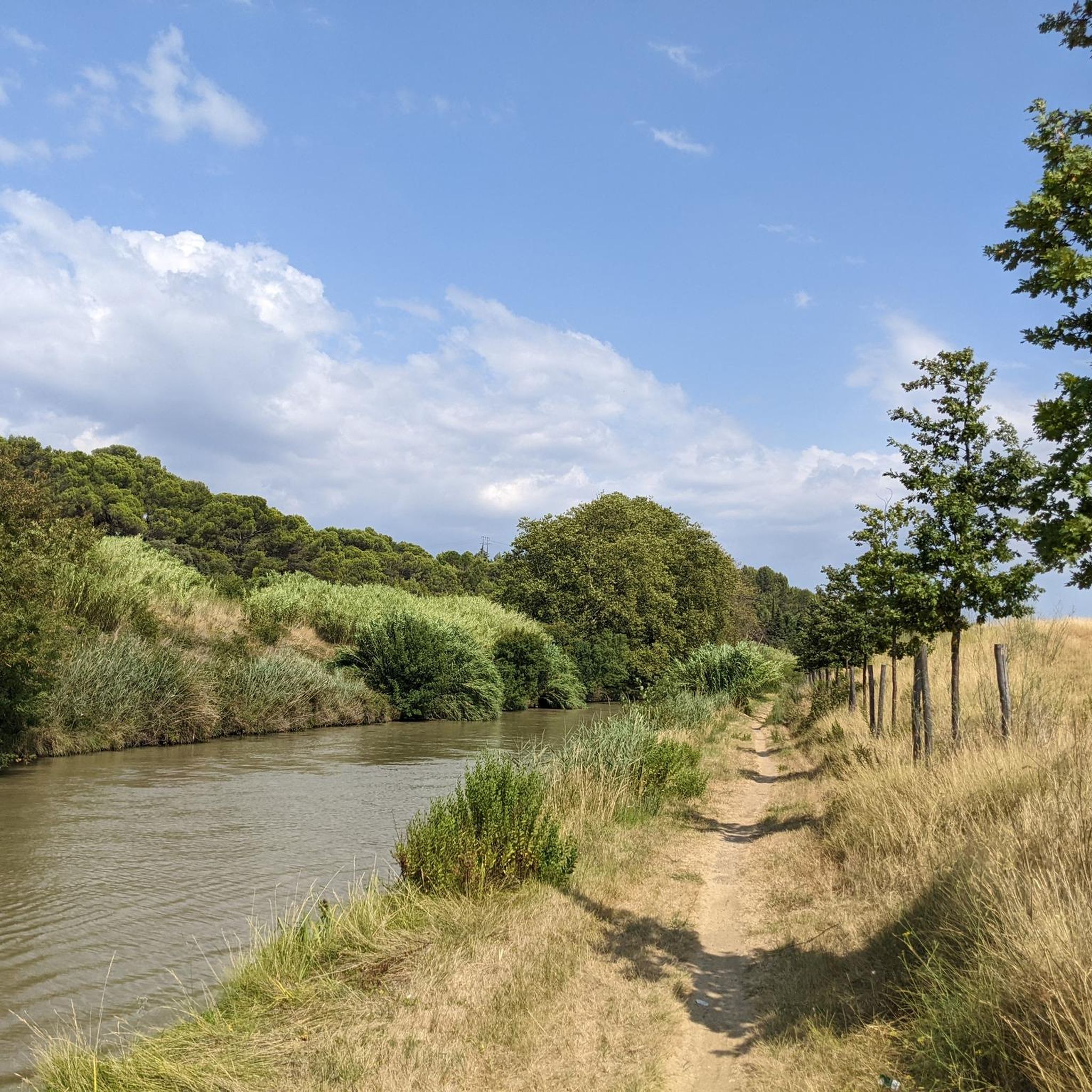
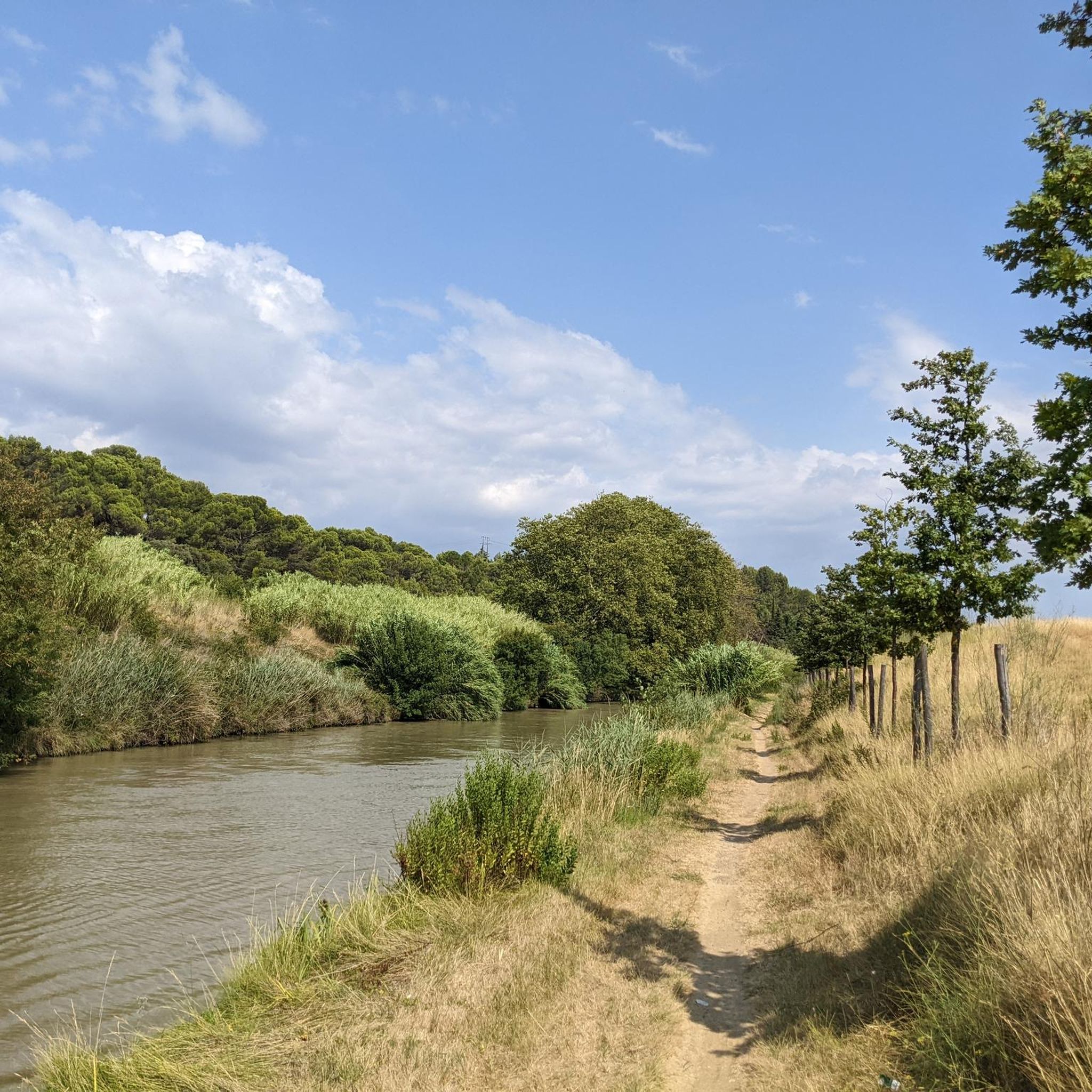
Canal du Midi near Ventenac-en-Minervois
Highlight • Other
Translated by Google •
Tip by

Sign up for free to discover even more attractions around Roubia.
Already have an account?
Start today with a free account
Your next adventure awaits.
Tips from the Community

L'Epanchoir de l'Argent Double, classified as a historic monument: started in 1677 and completed in 1694 according to Vauban's plans, it allows the canal to evacuate its excess water.
0
0
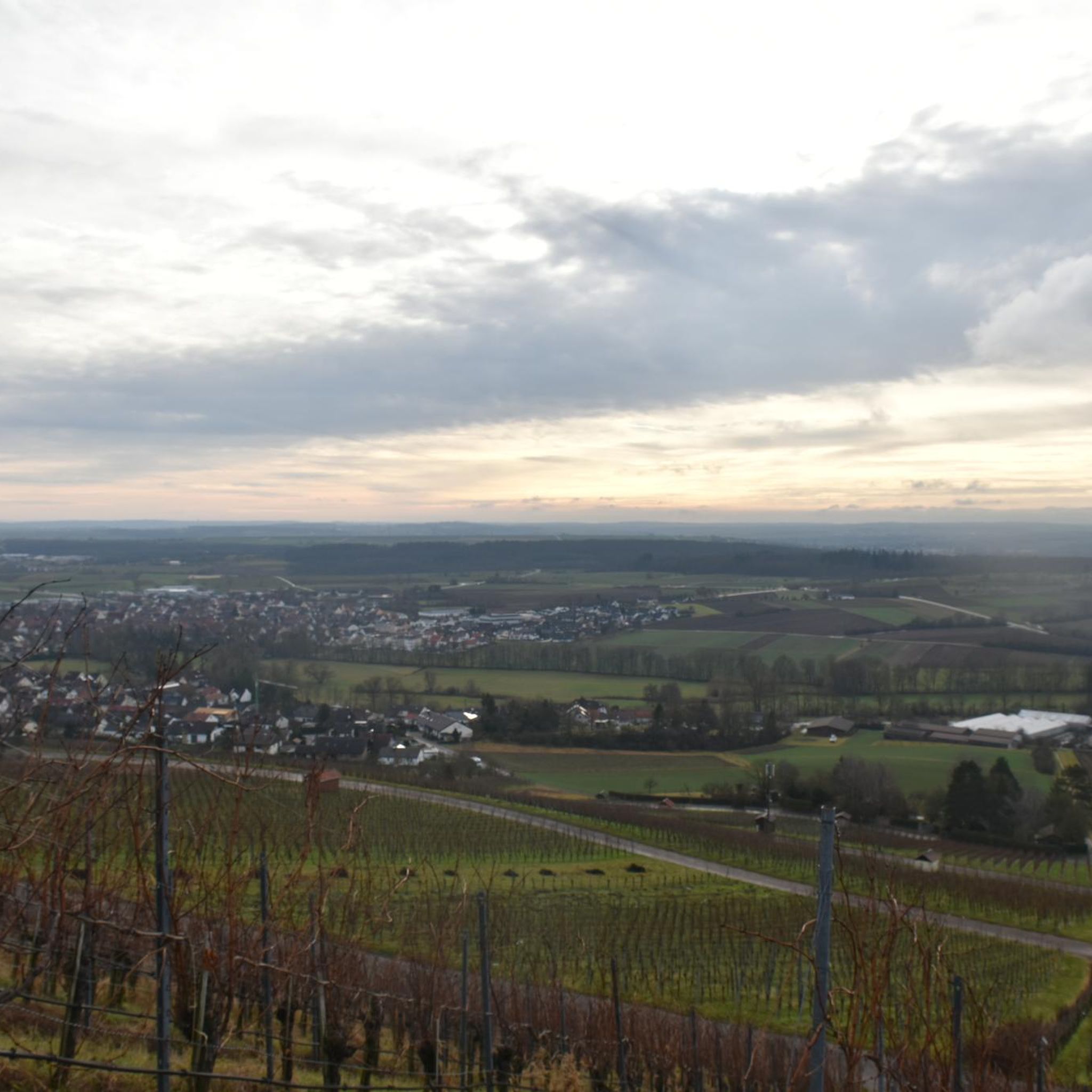
Paraza is a wine-growing village in the Minervois region of the Aude, rich in its history dating back beyond the Roman period. It is marked by the construction of the Canal du Midi, during which Pierre Paul Riquet resided at the Château de Paraza during the works on the Canal and the Pont canal du Répudre.
0
0
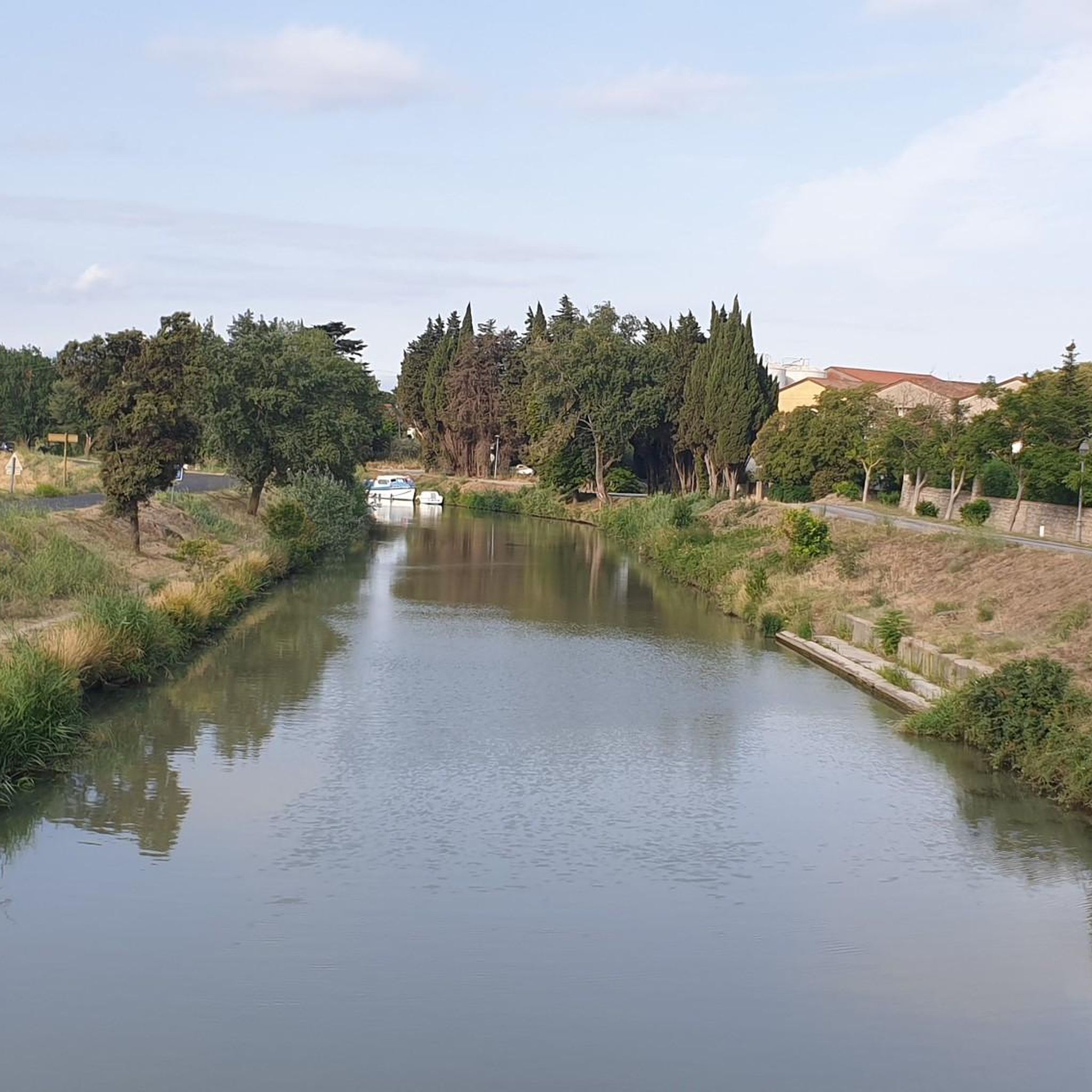
The Canal du Midi, formerly Canal Royal, is a 17th-century technical feat designed by Pierre-Paul Riquet to connect the Atlantic to the Mediterranean. Today, it is above all a place for relaxation and discovery, where heritage, nature, and conviviality blend together.
0
0
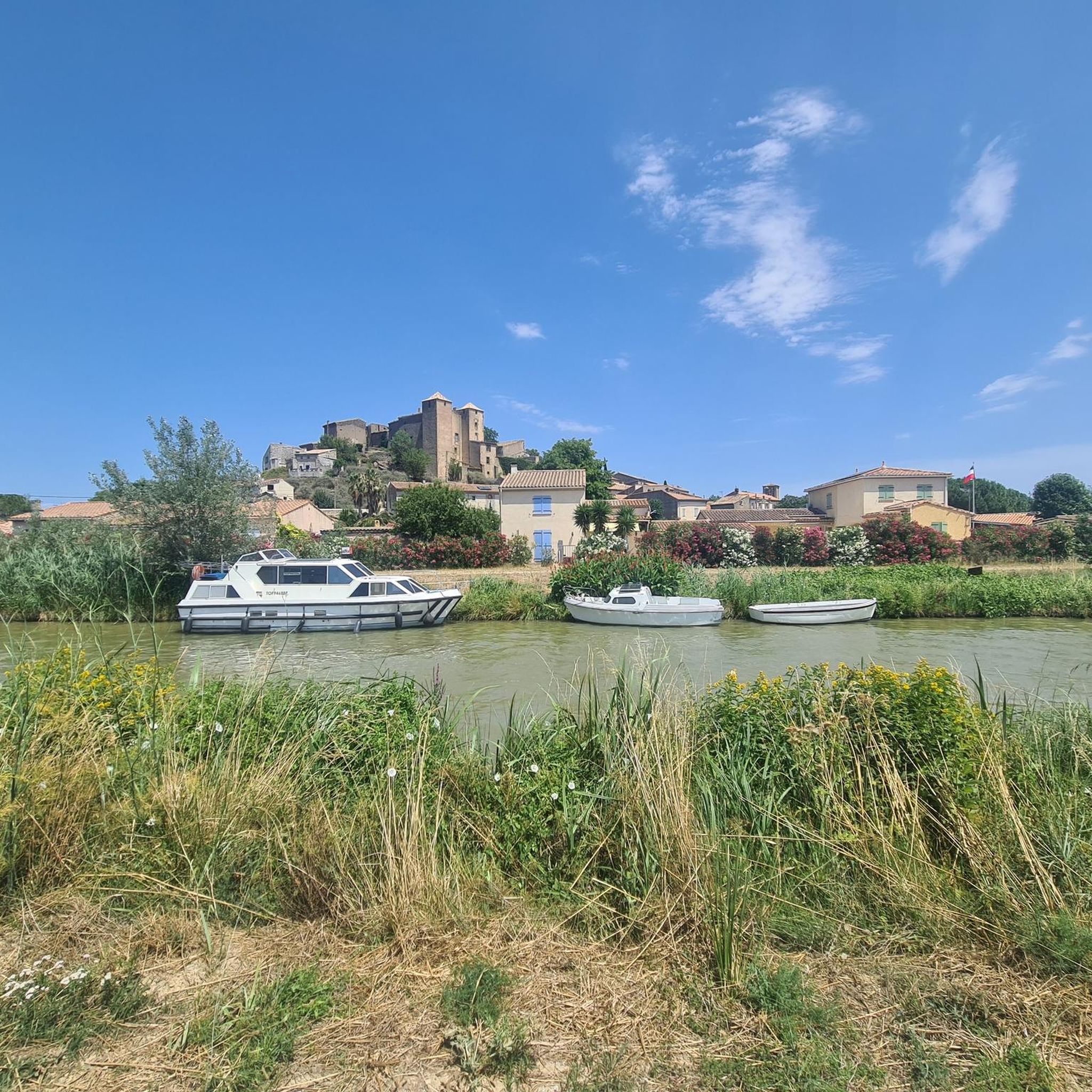
Le Somail features remarkable buildings, including the inn, which has retained the same appearance as in 1773, the chapel, built between 1684 and 1693, and even an ice house. This supplied the inn and the shops of Le Somail with ice during the hot summer days of Languedoc. Everything is still in place! In the heart of the village is the Pont Saint-Marcel with its remarkable semi-circular shape, typical of the early bridges of the Canal du Midi. Nearby, one can still admire the guard's house, which also housed the postmen. On the banks of the canal, you can still see the old watering trough for the draft horses.
0
0
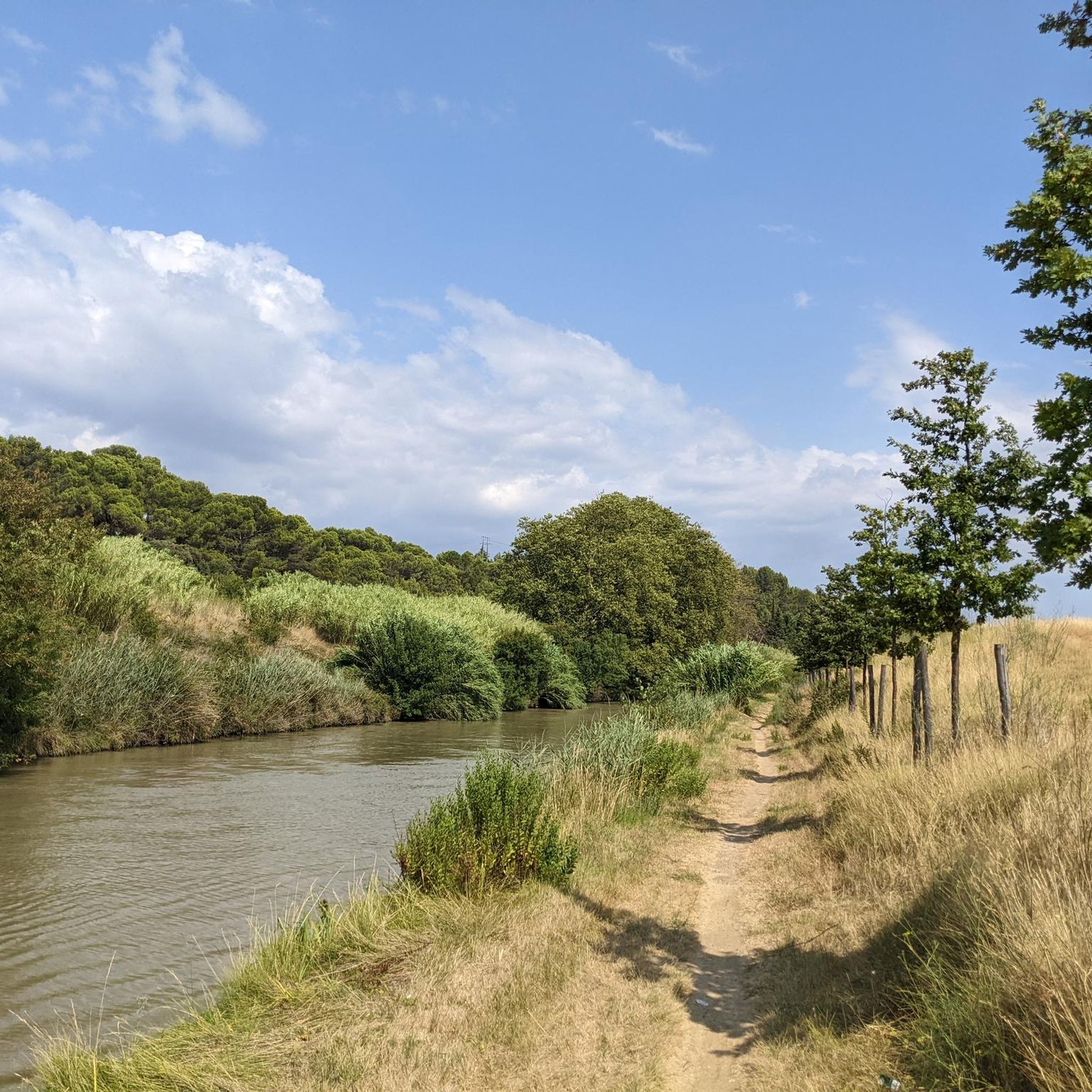
The Junction Canal was commissioned in 1787 to connect the Canal du Midi to the Canal de la Robine in Narbonne. 5 km long, it is partly lined with magnificent umbrella pines that shelter you from the sun. This canal is part of the UNESCO World Heritage site "Canal du Midi", just like the Canal de la Robine.
0
0


The German-language television series "Treasures of the World - Heritage of Humanity" uses short film clips to honor special sites from all eras and continents that have one thing in common: they have been declared World Heritage Sites by UNESCO. One of the episodes introduces the CANAL DU MIDI: "...the Romans already dreamed of a waterway between the Mediterranean and the Atlantic. Powerful people and doers from Charlemagne to Francis the First failed to realize this idea, even Leonardo da Vinci tinkered with it in vain. It was not built until the end of the 17th century. The Canal du Midi is a technical masterpiece by one person, one obsessed with the idea, by Pierre Paul Riquet. ..." Can be seen at => https://www.ardmediathek.de/video/schaetze-der-welt/gcanal-du-midi-frankreich-folge-224/swr/Y3JpZDovL3N3ci5kZS82OTg2NDg2
0
0
Frequently Asked Questions
What historical sites can I visit in and around Roubia?
Roubia itself boasts the Romanesque Church (Église Sainte-Eulalie) with its restored bell tower, the over-200-year-old Font of Anhès, and the remains of the 12th-century Roubia Castle, around which the village developed. Nearby, you can explore the picturesque hamlet of The Port of Somail, known for its historic role on the Canal du Midi. Further afield, the medieval village of Minerve, Fontfroide Abbey, and the UNESCO World Heritage site of Cité de Carcassonne offer rich historical experiences.
What outdoor activities are available near Roubia?
The region around Roubia is ideal for various outdoor activities, especially along the Canal du Midi. You can enjoy cycling, hiking, and running. For specific routes, explore options like hiking trails around Roubia, running trails, or MTB trails. The 'Les Trois Bosquets' Trail in Roubia also offers a chance to explore dry stone heritage and unique bee walls.
Can I cycle along the Canal du Midi near Roubia?
Yes, cycling along the Canal du Midi is a popular activity. The Canal du Midi Bridge is part of the UNESCO World Heritage site and offers cycle paths. While a normal bicycle can manage, an MTB might offer more comfort on some sections. Recent upgrades have concreted sections between La Redorte and Le Somail, improving the cycling experience.
Are there family-friendly attractions in Roubia?
Many attractions along the Canal du Midi are considered family-friendly, including The Port of Somail and the Junction of the Canal du Midi and the Canal de la Robine. These spots offer pleasant walks, boat watching, and a relaxed atmosphere suitable for families. The easy walking trails and cycling paths along the canal are also great for family outings.
What natural attractions are there to explore near Roubia?
Beyond the Canal du Midi, the region offers several natural sites. These include the Forêt de Fontfroide (16km), the Grotte de la Devèze (26km), the Gouffre de Cabrespine (30km), and the Gouffre de l'Œil Doux (32km). The Gorges de l'Orbieu (40km) and Étang de Leucate (47km) also provide beautiful landscapes for nature lovers.
When is the best time to visit Roubia and its attractions?
The spring and autumn months generally offer pleasant weather for exploring the outdoor attractions and historical sites around Roubia, with comfortable temperatures for cycling and hiking. Summer can be warm, but activities along the Canal du Midi, with its shaded paths, remain popular. Check local events and market schedules in nearby towns like Lézignan-Corbières and Narbonne for a richer cultural experience.
Are there any unique engineering marvels related to the Canal du Midi near Roubia?
Absolutely. The Argent-Double aqueduct and spillway, built in 1693 based on Vauban's recommendations, is a remarkable structure. It features an eleven-arched bridge and a sophisticated system to evacuate excess water from the Canal du Midi into the Argent-Double River, showcasing a significant technical achievement of its time.
What do visitors enjoy most about the attractions around Roubia?
Visitors frequently appreciate the picturesque setting and historical significance of places like The Port of Somail, noting its charm and inspiration for artists. The technical marvels and UNESCO World Heritage status of the Canal du Midi, including structures like the Canal du Midi Bridge, are also highly valued. The ease of cycling and walking along the canal paths is a consistent highlight.
Are there any easy walking trails suitable for beginners around Roubia?
Yes, many sections along the Canal du Midi offer easy, flat paths perfect for beginners or leisurely strolls. For specific options, you can find several 'easy' rated routes in the hiking guide for Roubia, such as the 'View of the Écluses d'Argens – View of the Lake loop from Argens-Minervois' which is just over 5 km.
Where can I find local markets near Roubia?
While Roubia itself is a small commune, nearby towns like Lézignan-Corbières and Narbonne host various markets throughout the week. These markets are excellent places to find local produce, crafts, and experience the regional culture.
Are there any viewpoints offering scenic panoramas near Roubia?
Yes, from certain locations, you can enjoy scenic views of the surrounding area. For instance, the View over Paraza highlight offers a superb vista of the town of Paraza in the Minervois, a village historically linked to Pierre-Paul Riquet, the creator of the Canal du Midi.
What is the significance of the Canal de la Robine near Roubia?
The Canal de la Robine is significant because it connects directly to the Canal du Midi via the Canal de Jonction. This junction provides a crucial waterway link from the Canal du Midi to the Mediterranean Sea, historically facilitating trade and transport.

Get inspired with the komoot mobile app


Explore more
Still not found the Highlight you’re looking for? See guides of the top attractions in other regions:
