The best road cycling routes around Sainte-Valière
4.4
(97)
1,846
riders
117
rides
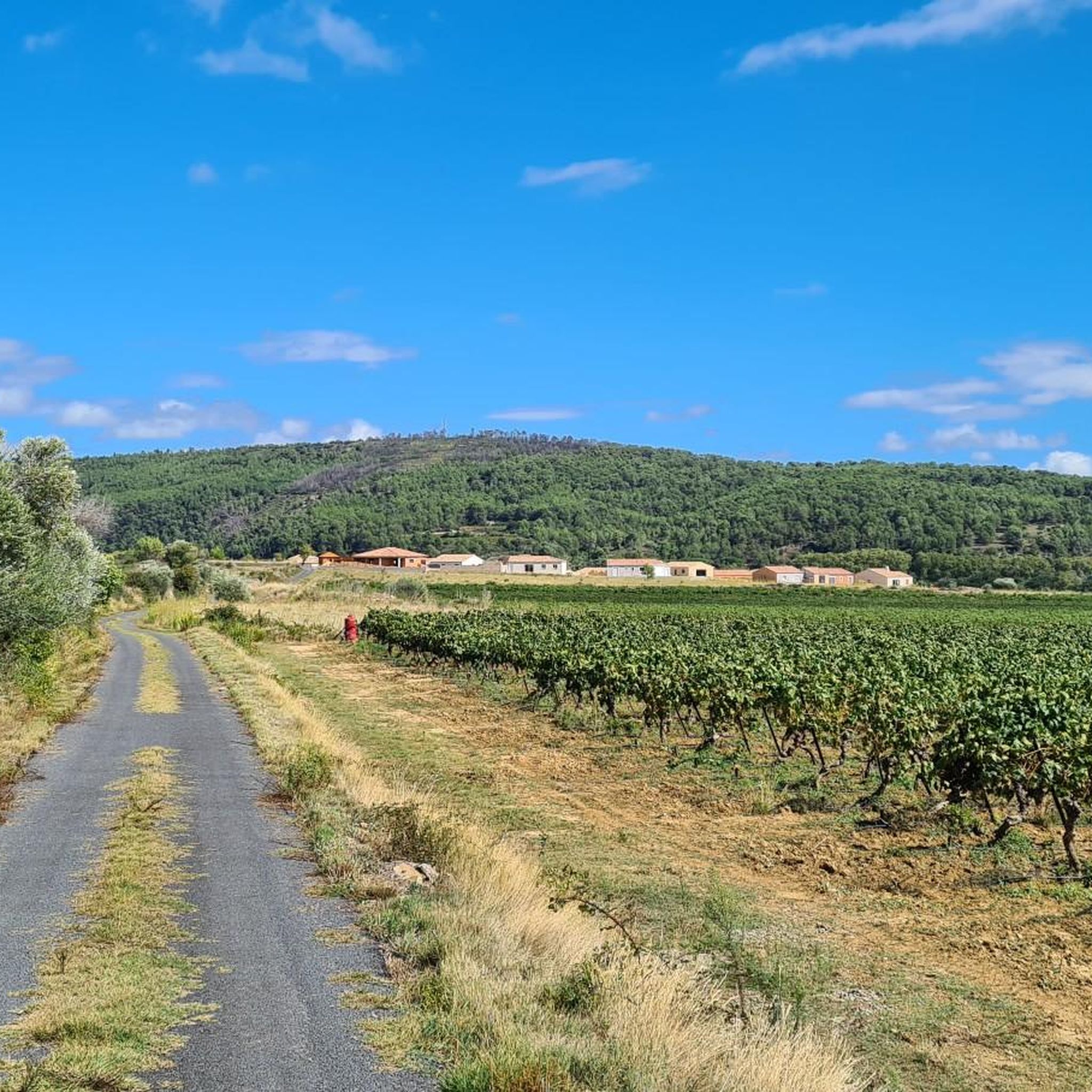
Road cycling routes around Sainte-Valière traverse a varied landscape, from the flat, tree-lined paths of the Canal du Midi to the undulating terrain of the Minervois and Corbières regions. The area features extensive vineyards, garrigue scrubland, and access to the Narbonnaise en Méditerranée Natural Regional Park. Roads are predominantly paved, offering diverse experiences for road cyclists.
Best road cycling routes around Sainte-Valière
- The most popular road cycling route is Barberousse Tower – Gruissan Lagoon loop from Paraza, a 53.9…
Last updated: October 8, 2026
3.5
(2)
36
riders
80.6km
04:15
1,400m
1,400m
Hard road ride. Very good fitness required. Mostly well-paved surfaces and easy to ride.
20
riders
107km
05:14
1,340m
1,340m
Hard road ride. Very good fitness required. Mostly well-paved surfaces and easy to ride.

4.8
(4)
36
riders
46.2km
01:55
300m
300m
Easy road ride. Great for any fitness level. Mostly well-paved surfaces and easy to ride.
5.0
(3)
8
riders
43.4km
01:48
250m
250m
Moderate road ride. Great for any fitness level. Some segments of this route may be unpaved and difficult to ride.
5.0
(1)
7
riders
32.0km
01:38
360m
360m
Moderate road ride. Good fitness required. Mostly well-paved surfaces and easy to ride.
Get access to more routes and recommendations from other explorers.
Already have an account?
Our route recommendations are based on thousands of hikes, rides, and runs completed by other people on komoot.
Start today with a free account
Your next adventure awaits.
Tips from the Community

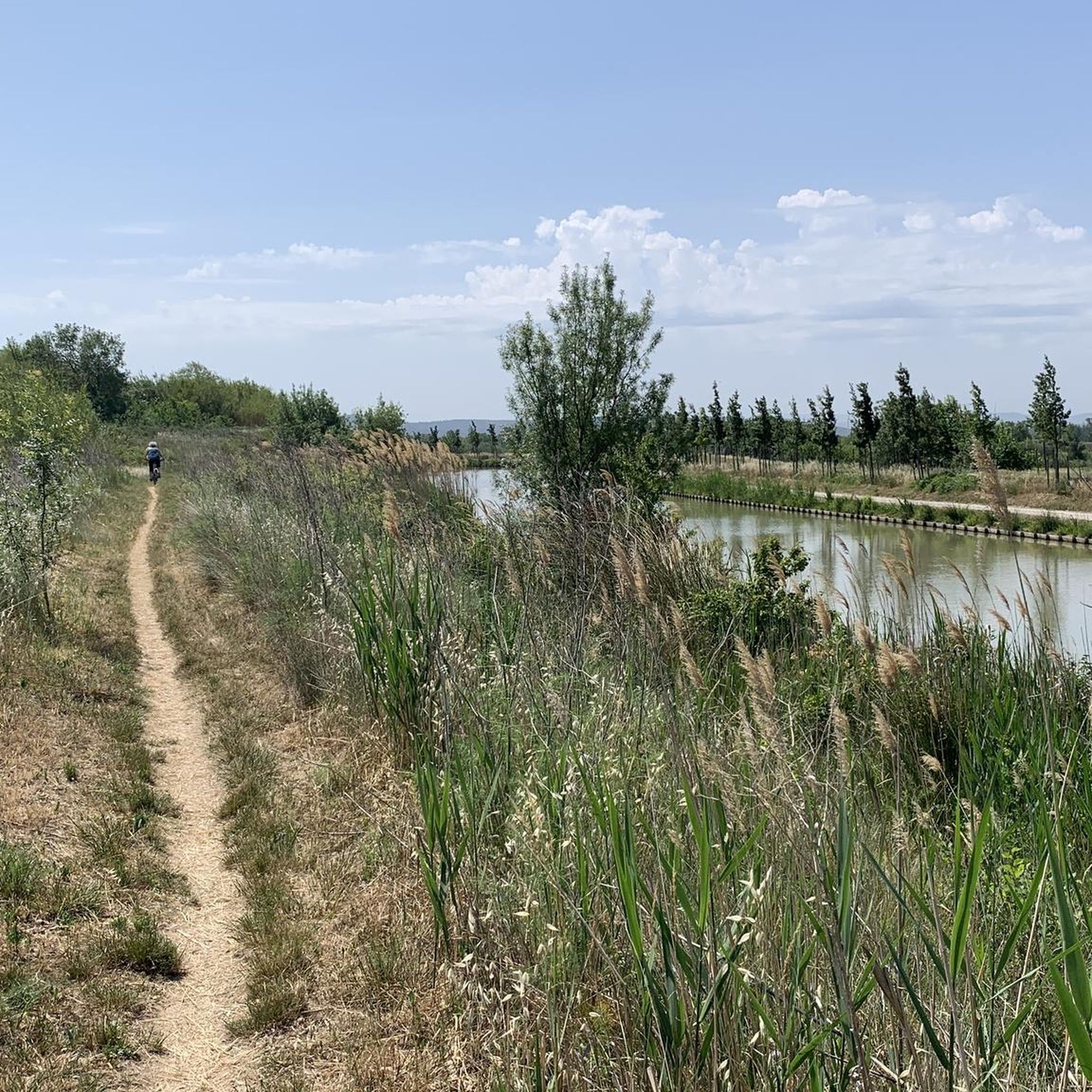
Remarkable site, the village of Argens-Minervois, is built in an amphitheater on a promontory overlooking the Canal du Midi and the Aude river. Besides its old fortress (13th century), taken during the Albigensian Crusade by Simon de Montfort, visitors can consider various walks along the canal (locks), around the lake of Aiguilles, at Pech Laurier or at Mourrel Ferrat, an elysian (pre-Roman) site.
0
0
Remarkable site, the village of Argens-Minervois, is built in an amphitheater on a promontory overlooking the Canal du Midi and the Aude river. Besides its old fortress (13th century) taken during the crusade against the Albigensians by Simon de Montfort, visitors can consider various walks along the canal (locks), around the Aiguilles lake, at Pech Laurier or at Mourrel Ferrat, an Elysian (pre-Roman) site.
0
0
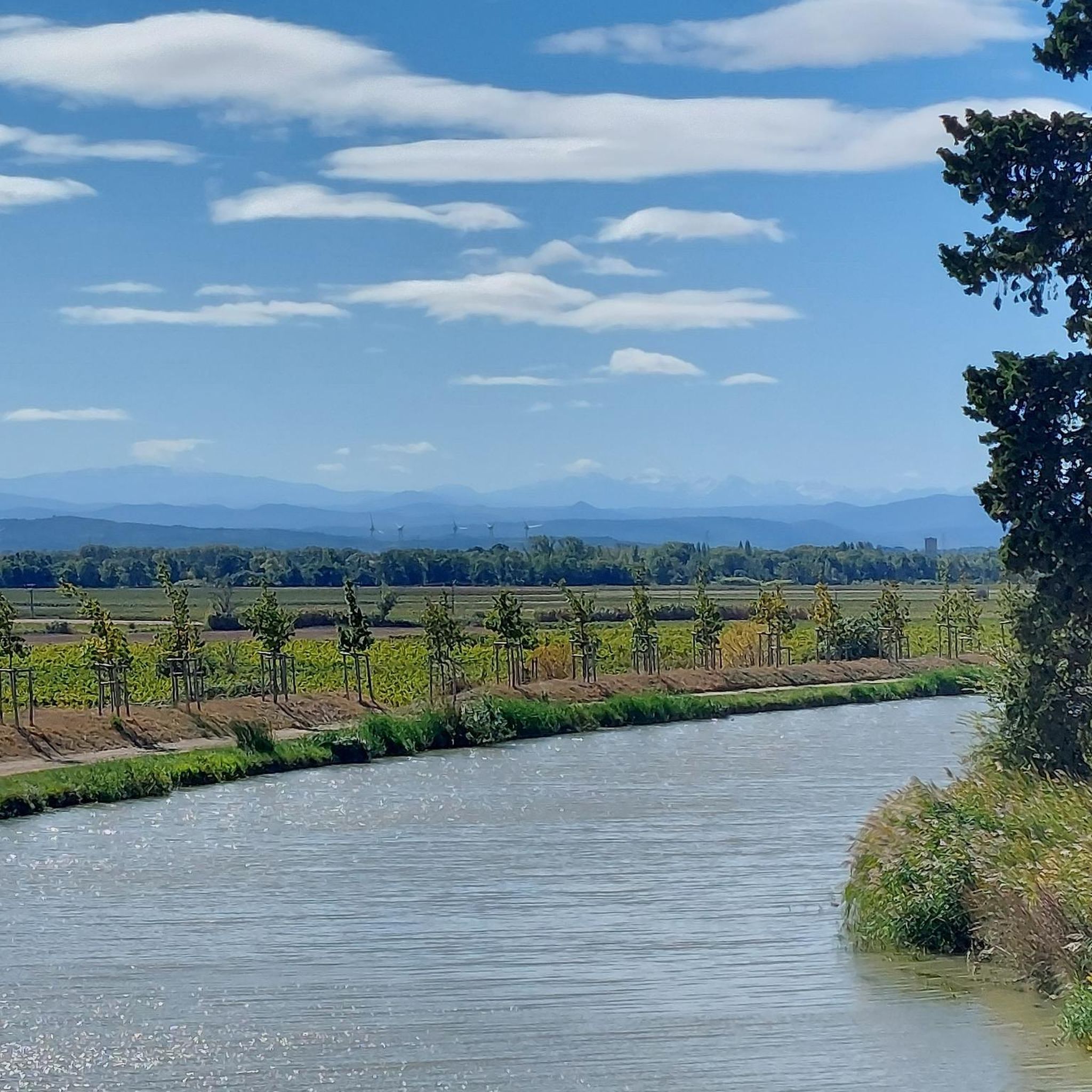
Paraza is a wine-growing village in the Minervois region of the Aude, rich in its history dating back beyond the Roman period. It is marked by the construction of the Canal du Midi, during which Pierre Paul Riquet resided at the Château de Paraza during the works on the Canal and the Pont canal du Répudre.
0
0
Typical wine village on the Canal du Midi, dominated by its double castle, one intended for winemaking and the other serving as a residence. The latter was built in the 18th century on the ruins of a 12th-century castle. This large building with a square tower overlooking the plain with beautiful Italian terraced gardens is extended on its right by its "winegrower's folly", a 19th-century model of its kind opening its doors to the Canal du Midi.
0
0

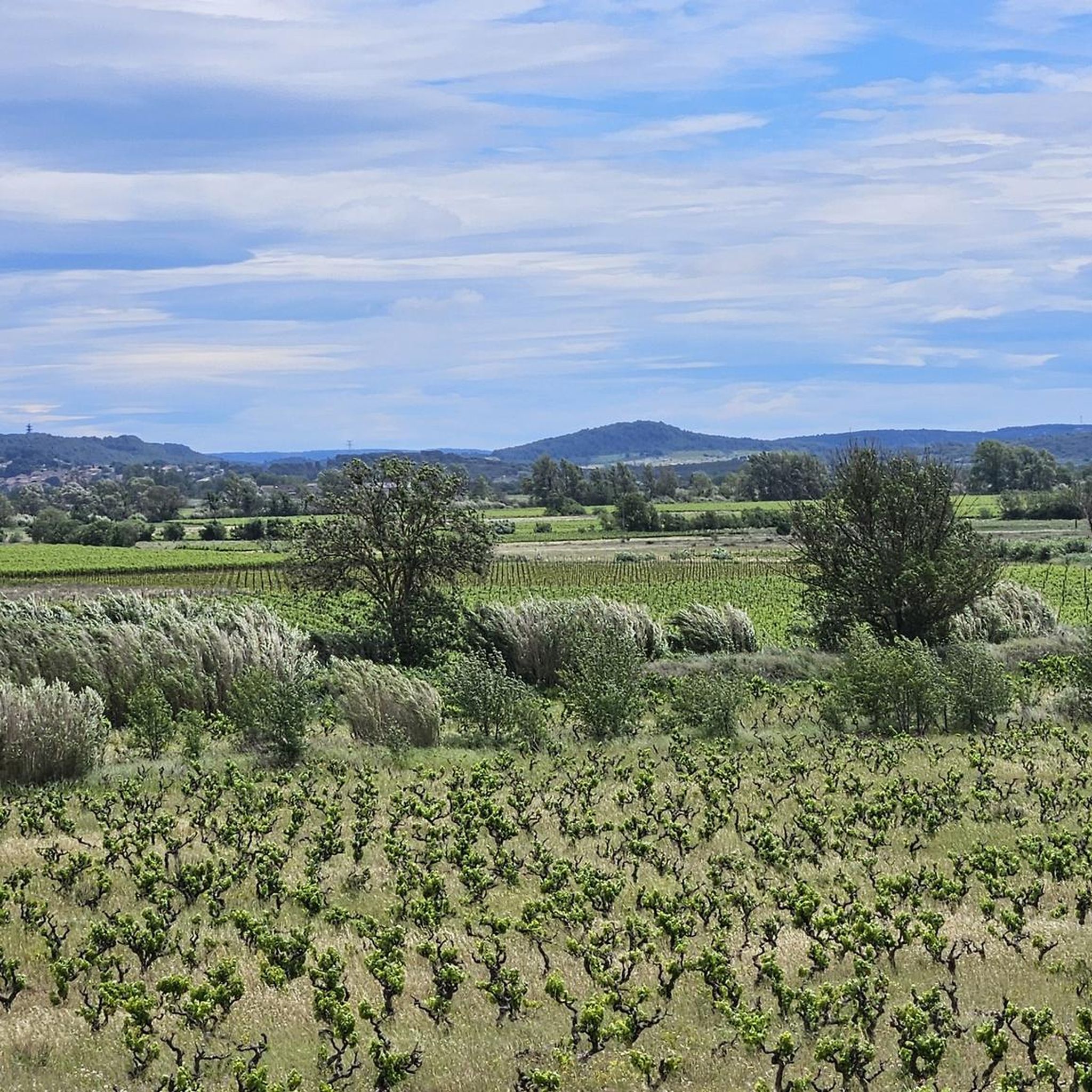
From the bridge over the Cesse, a magnificent perspective opens up onto La Caunette, a village nestled at the foot of the limestone reliefs of the Minervois. The houses clinging to the rock and the bell tower of the Notre-Dame de l’Assomption church create a landscape where the architecture seems to naturally extend the stone of the causse. Originating from the Occitan cauneta, meaning "small cavity", this term evokes the numerous cavities dug into the limestone that characterize this area.
2
0
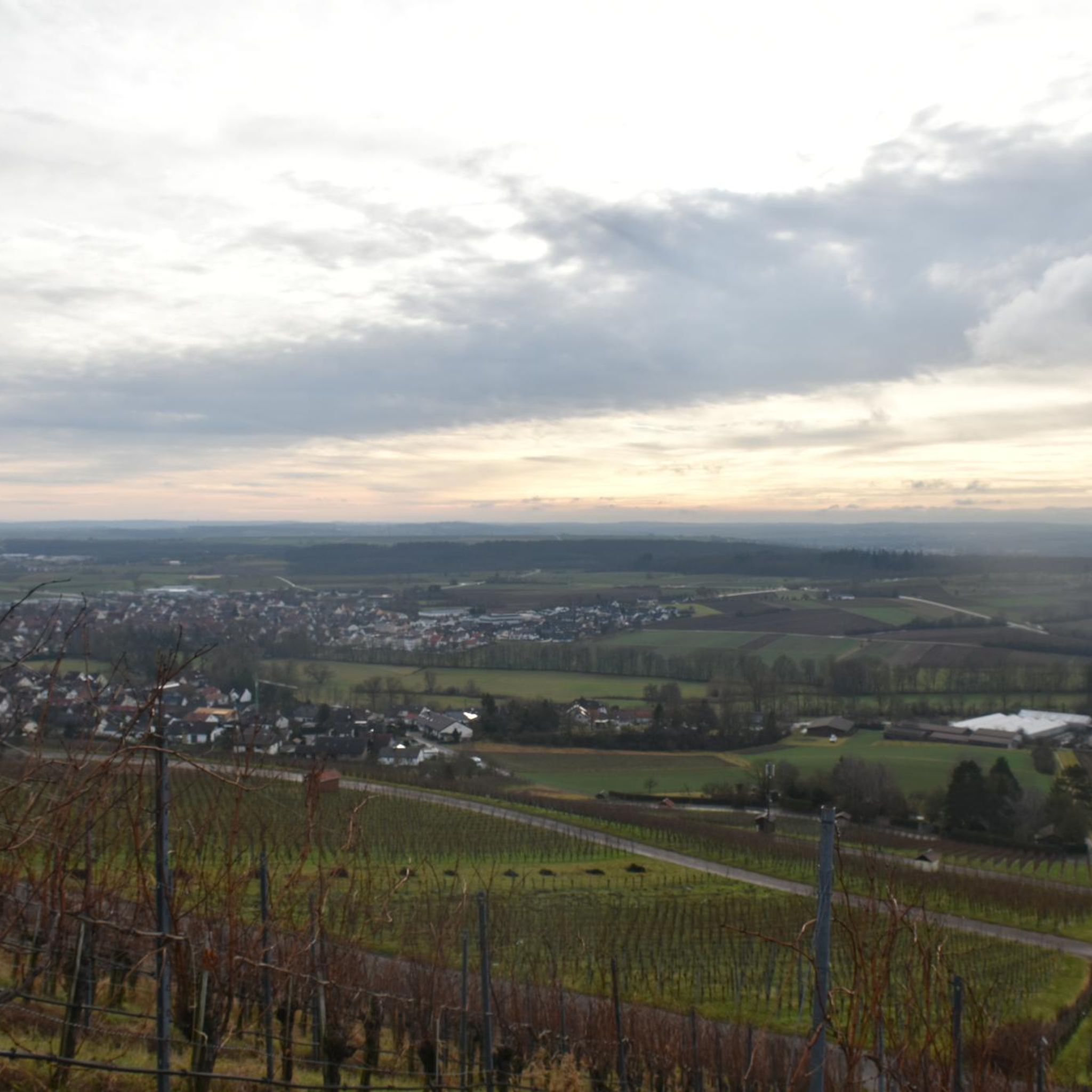
Viewpoint over Azillanet ! A nice stop to enjoy a superb perspective over Azillanet, a village whose history dates back to at least the 9th century, when it was mentioned under the name of Azelanum.
2
0
The Saint-Laurent church catches the eye with its sober architecture and unique location. Built in 1678, it is adjacent to the site of the former fortress of Guillaume d'Azillanet, a medieval lord whose name remains attached to the village's history. Behind its stones lie several centuries of history: once fortified, Azillanet depended on the lords linked to the abbey of Caunes-Minervois before joining the royal domain. The village subsequently experienced the great upheavals of the Minervois, between the Albigensian Crusade, the Hundred Years' War, and the Wars of Religion.
2
0
In the heart of the village of Oupia, the Saint-Étienne church hides an exceptional testimony to the first centuries of Christianity in the Minervois. Behind its 19th-century neo-Gothic architecture lies a rare Visigothic altar cippus, sculpted between the 5th and 8th centuries. This stone block features rich symbolic decoration: a pattée cross, doves drinking from a chalice, foliage, and interlacing bear witness to the ancient Christian art of this region.
2
0
Frequently Asked Questions
How many road cycling routes are available around Sainte-Valière?
There are over 130 road cycling routes around Sainte-Valière, offering a wide range of options for different skill levels and preferences. You'll find everything from flat canal-side paths to challenging climbs through vineyards.
What kind of terrain can I expect on road cycling routes in Sainte-Valière?
The region offers diverse terrain. You can enjoy flat, scenic rides along the Canal du Midi and Canal de Jonction, often shaded by pine trees. For more challenging rides, the Minervois and Corbières regions feature hilly roads traversing vineyards, garrigue scrubland, and mountain pastures.
Are there any easy road cycling routes suitable for beginners or families?
Yes, Sainte-Valière offers 23 easy road cycling routes. The paths along the Canal du Midi and Canal de Jonction are particularly well-suited for relaxed rides, providing smooth, mostly paved surfaces ideal for all fitness levels, including families.
What are some of the more challenging road cycling routes in the area?
For experienced cyclists, there are 25 difficult routes. An example is the View to Olonzac – Minerve loop from Hameau de Cabezac, which is 80.6 km long with significant elevation gain, winding through the hilly Minervois region. Another challenging option is the View of the village of Ceps – Pont de Vieussan loop from Hameau de Cabezac, covering over 100 km through varied landscapes.
What natural features or landmarks can I see while cycling around Sainte-Valière?
Road cycling routes often pass through the Narbonnaise en Méditerranée Natural Regional Park, offering views of diverse flora and fauna, wetlands, and coastal areas. You can also cycle past extensive vineyards in the Minervois region and along the picturesque Canal du Midi. Notable landmarks include The Port of Somail, known for its charming setting, and the Junction of the Canal du Midi and the Canal de la Robine.
Are there any scenic viewpoints along the road cycling routes?
Many routes offer superb views. For instance, the Barberousse Tower – Gruissan Lagoon loop from Paraza provides views towards the Gruissan Lagoon. You can also find scenic spots like View over Paraza, offering panoramic vistas of the surrounding historic towns and landscapes.
What do other road cyclists enjoy most about the routes in Sainte-Valière?
The road cycling routes in Sainte-Valière are highly rated by the komoot community, with an average score of 4.5 stars from over 80 reviews. Cyclists frequently praise the varied terrain, from the tranquil canal paths to the undulating vineyard roads, and the beautiful Mediterranean landscapes.
Can I find loop routes for road cycling in Sainte-Valière?
Yes, many road cycling routes around Sainte-Valière are designed as loops. Examples include the View over Paraza – Paraza — Along the Canal du Midi loop from Paraza, which is a moderate 68.7 km ride, and the challenging Paraza — Along the Canal du Midi – Windmill of Saint-Chinian loop from Paraza.
What is the best time of year for road cycling in Sainte-Valière?
The region's Mediterranean climate makes spring and autumn ideal for road cycling, with pleasant temperatures and less intense sun. Summer can be hot, but early mornings or late afternoons are still enjoyable, especially on shaded canal paths. Winter offers milder conditions than many other regions, though some days may be cooler.
Are there options for parking near the cycling routes in Sainte-Valière?
While specific parking locations are not detailed in route descriptions, Sainte-Valière and nearby villages like Paraza often have public parking areas suitable for cyclists. It's advisable to check local village maps or tourist information for designated parking spots before your ride.
Are there any cafes or restaurants along the road cycling routes?
The region around Sainte-Valière is dotted with charming villages and towns, such as Bize-Minervois and Minerve, which offer cafes and restaurants. The Port of Somail, a hamlet on the Canal du Midi, is also known for its picturesque setting and amenities, providing good spots for a break during your ride.
Most popular routes around Sainte-Valière
Most popular attractions around Sainte-Valière

Get inspired with the komoot mobile app


Explore more
Browse the best Road cycling routes in other regions.
