The best MTB trails around Tourouzelle
4.6
(232)
1,409
riders
123
rides
Mountain biking around Tourouzelle is set within the Minervois region of Aude, France, characterized by diverse landscapes. The terrain features rolling hills, extensive vineyards, garrigue, and pine and holm oak forests, providing varied riding conditions. Natural features like Lake Jouarres and the historic Canal du Midi offer both challenging and accessible routes. This composition creates a network of trails suitable for mountain biking through scenic countryside.
Best mountain bike trails around Tourouzelle
- The most popular mountain bike trail is Argent-Double…
Last updated: October 7, 2026
4.6
(11)
58
riders
47.4km
03:11
110m
110m
Moderate mountain bike ride. Good fitness required. Advanced riding skills necessary.
4.8
(12)
29
riders
38.2km
02:59
110m
110m
Moderate mountain bike ride. Good fitness required. Suitable for all skill levels.

26
riders
48.1km
04:41
1,010m
1,010m
Hard mountain bike ride. Very good fitness required. Advanced riding skills necessary.
4.5
(2)
6
riders
31.4km
02:18
150m
150m
Moderate mountain bike ride. Good fitness required. Suitable for all skill levels.
9
riders
9.83km
00:43
40m
40m
Easy mountain bike ride. Great for any fitness level. Suitable for all skill levels.
Get access to more routes and recommendations from other explorers.
Already have an account?
Our route recommendations are based on thousands of hikes, rides, and runs completed by other people on komoot.
Start today with a free account
Your next adventure awaits.

Tips from the Community

The pond covers an area of 2000 ha, and is shared between the municipalities of Marseillette, Aigues-Vives, Saint-Frichoux and Puichéric. In the past, it supplied the region with fish. From the 12th century onwards, people began to talk about draining this stagnant body of water, a source of death and misery for Marseillette and the surrounding villages, which were becoming depopulated. In 1605, Henry IV issued a royal decree to drain the Pond. But it wasn't until 1804 and the purchase of the Pond by an Irishwoman, Madame de Lawless, that it was drained, thanks to a vast construction project. The pond was then cultivated and developed to use the waters of the Aude, with an original irrigation system consisting of perpendicular canals allowing the flooding of the land. Today, vines, apples, and rice are the main products found there. Its quiet and flat paths are very pleasant for hiking or cycling, in a typical landscape.
0
0
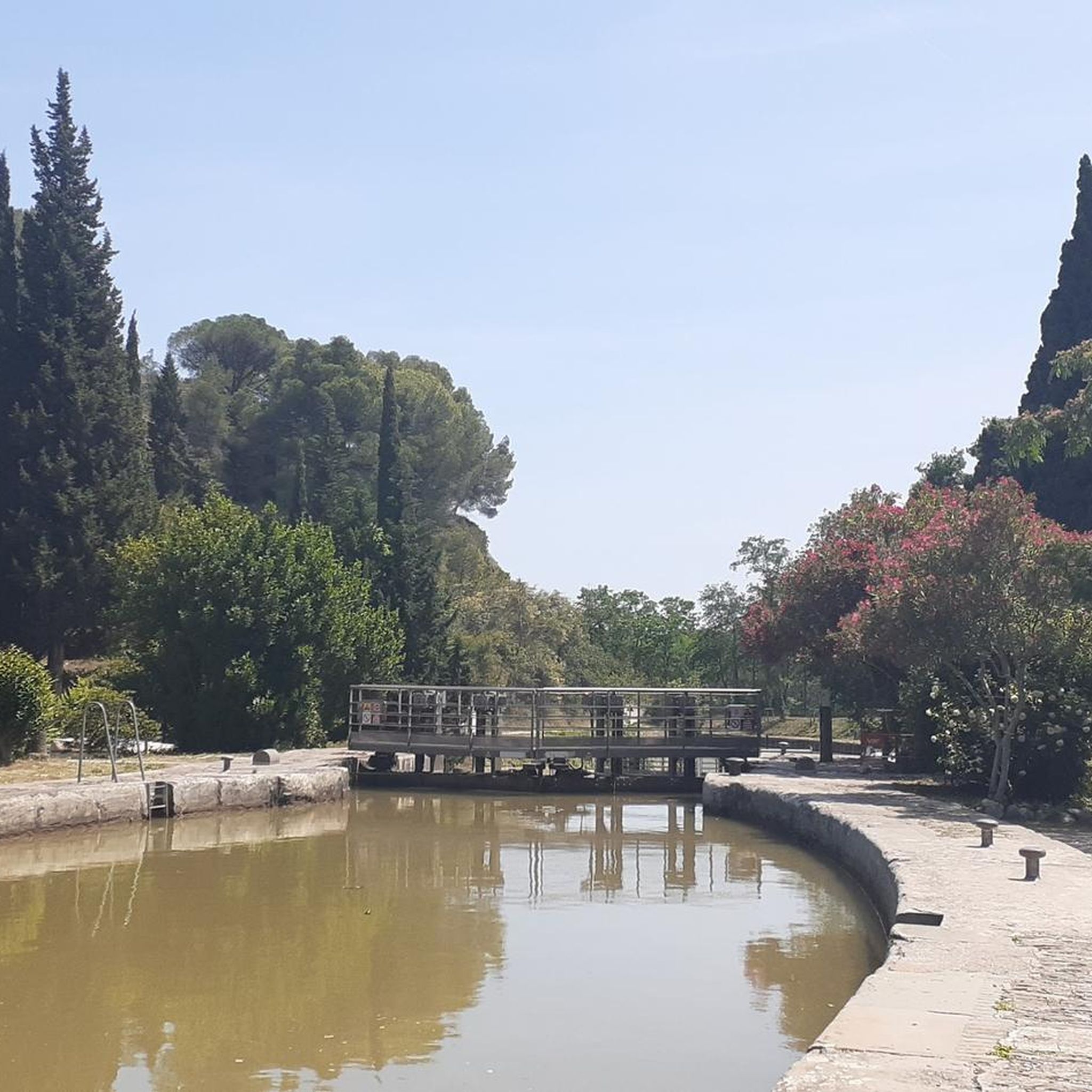
The l'Aiguille lock is a double lock on the Canal du Midi located in the commune of Puichéric.
0
0
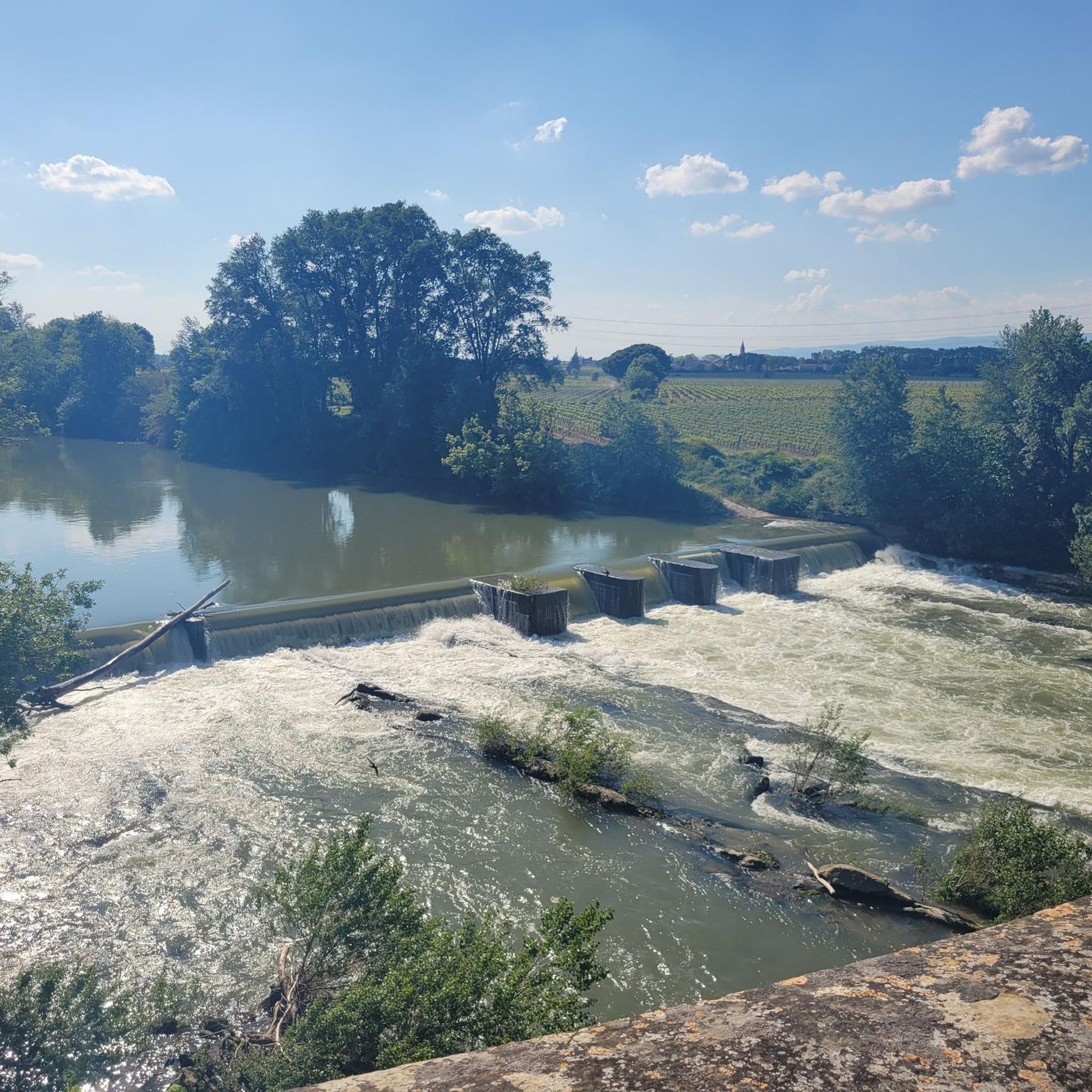
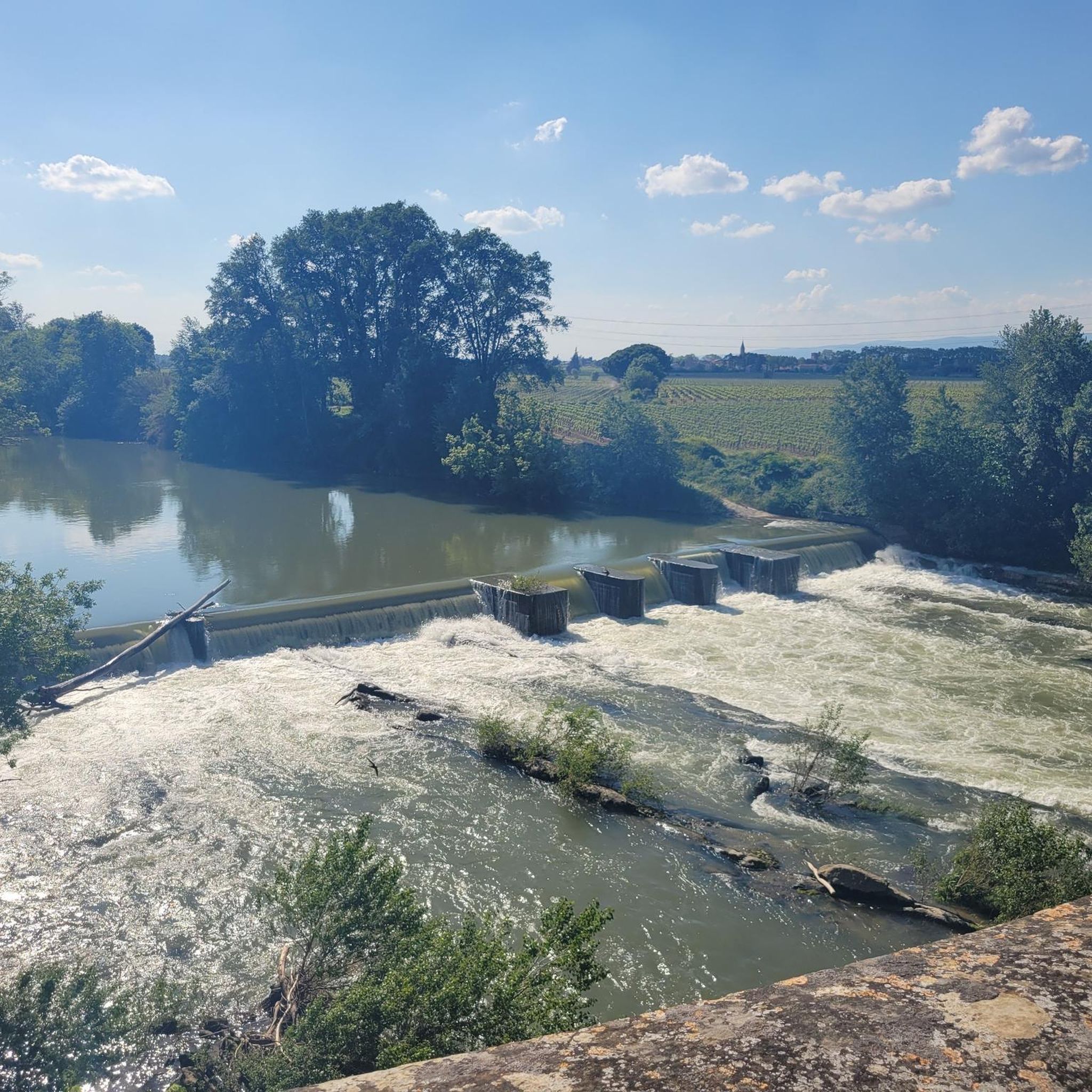
L'Epanchoir de l'Argent Double, classified as a historic monument: started in 1677 and completed in 1694 according to Vauban's plans, it allows the canal to discharge its excess water.
0
0
L'Epanchoir de l'Argent Double, classified as a historic monument: started in 1677 and completed in 1694 according to Vauban's plans, it allows the canal to evacuate its excess water.
0
0
L'Epanchoir de l'Argent Double, classified as a historic monument: started in 1677 and completed in 1694 according to Vauban's plans, it allows the canal to drain its excess water.
0
0
L'Epanchoir de l'Argent Double, classified as a historic monument: started in 1677 and completed in 1694 according to Vauban's plans, it allows the canal to discharge its excess water.
0
0
An ancient site of Roman baths, Homps later housed a commandery of the Knights of the Order of Malta. Then, thanks to the construction of the Canal du Midi, the commune experienced considerable growth in the wine trade and transport. Today, barges make a pleasant stopover in its charming marina.
0
0
Ancient site of Roman thermal baths, Homps later housed a commandery of the Knights of Malta. Then, thanks to the construction of the Canal du Midi, the commune experienced considerable growth in the wine trade and transport. Today, barges make a pleasant stop in its charming pleasure port.
0
0
Frequently Asked Questions
How many mountain bike trails are available around Tourouzelle?
There are over 110 mountain bike trails around Tourouzelle, offering a wide variety of options for different skill levels and preferences. The komoot community has explored these routes over 1300 times.
What kind of terrain can I expect on mountain bike trails near Tourouzelle?
The terrain around Tourouzelle is diverse, featuring rolling hills, extensive vineyards, garrigue (Mediterranean scrubland), and pine and holm oak forests. You'll encounter a mix of natural, unpaved surfaces, with some areas featuring reddish clay soil and limestone outcrops, especially as you approach Tourouzelle.
Are there easy mountain bike trails suitable for beginners or relaxed rides?
Yes, Tourouzelle offers 26 easy mountain bike trails. A great option for a relaxed ride is the Bridge over the Midi Canal loop from Homps, which is 5.5 miles (8.9 km) long and leads through flat, scenic routes along the Canal du Midi.
Can I ride along the Canal du Midi with a mountain bike?
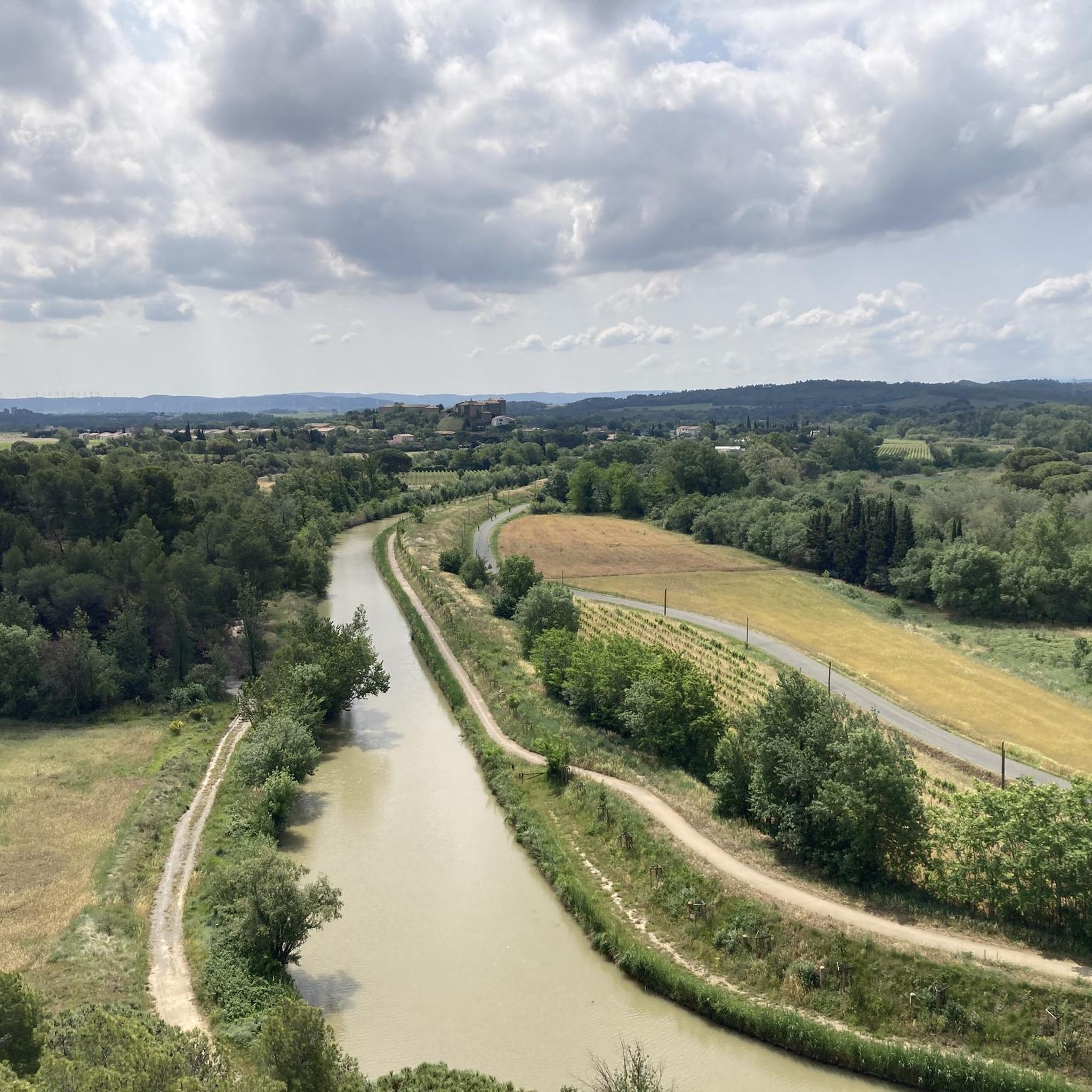
Absolutely. The Canal du Midi, a UNESCO World Heritage site located just a few kilometers from Tourouzelle, offers picturesque and relatively flat paths. While often used by road or hybrid bikes, mountain bikes provide a more comfortable experience on some of the unpaved sections along its shady banks, historic locks, and charming bridges.
What landmarks or points of interest can I see while mountain biking?
Many routes offer scenic views and historical points. You can pass by the Canal du Midi Bridge, enjoy a View over Paraza, or see the Argent-Double aqueduct and spillway. Some trails, like the 'Pinède de la Bade et Pierre Sèche' (suitable for less technical MTB), also feature historical 'capitelles' (dry-stone shelters) and ancient sheepfolds.
Are there any challenging mountain bike routes in the area?
Yes, there are 16 difficult mountain bike trails around Tourouzelle for experienced riders. One challenging option is the Homps Lock (Écluse d'Homps) – View Mont Segonne towards Cesseras loop from Homps, which covers 47.2 km with significant elevation changes.
Is Tourouzelle a good destination for family mountain biking?
Yes, the region offers several easy and moderate trails suitable for families. The flat paths along the Canal du Midi and around Lake Jouarres are particularly good for relaxed family rides. The diverse terrain ensures there are options for various skill levels within a family group.
What do other mountain bikers enjoy most about the trails in Tourouzelle?
The mountain bike trails around Tourouzelle are highly rated by the komoot community, with an average score of 4.6 stars from over 190 reviews. Riders often praise the diverse landscapes, including vineyards and forests, and the variety of routes available for different abilities.
What is the best time of year to go mountain biking in Tourouzelle?
The Minervois region, including Tourouzelle, benefits from a Mediterranean climate. Spring and autumn generally offer the most pleasant temperatures for mountain biking, avoiding the intense heat of summer and the cooler, potentially wetter conditions of winter. This allows for comfortable rides through the vineyards and forests.
Where can I find more information about the wider VTT network in the Corbières Minervois region?
The broader Corbières Minervois area boasts an extensive network of mountain biking routes, including official VTT-FFC trails. For more details on these trails and other cycling opportunities in the region, you can visit the local tourism website: Corbières Minervois Tourism - MTB Trails.
Are mountain bike trails around Tourouzelle dog-friendly?
While many natural trails in France are generally accessible for dogs, it's always recommended to keep your dog on a leash, especially in areas with livestock, wildlife, or other trail users. Always ensure your dog is well-behaved and that you clean up after them. Check specific trail regulations if posted.
Are there any circular mountain bike routes near Tourouzelle?
Yes, many routes in the area are designed as loops. For example, the Répudre Canal Bridge – Beautiful Avenue loop from Homps is a moderate 29.8 miles (48.0 km) path that winds through vineyards and natural avenues, offering a great circular experience.
Most popular routes around Tourouzelle
Most popular attractions around Tourouzelle

Get inspired with the komoot mobile app


Explore more
Browse the best MTB trails in other regions.
