Attractions and Places To See around Montbrun-Des-Corbières - Top 20
Attractions and places to see around Montbrun-Des-Corbières include historical landmarks, natural features, and cultural sites within the Corbières wine region. The village is situated in the Aude department of the Occitanie region, characterized by vineyards and rolling hills. The area offers opportunities to explore the Canal du Midi and its associated structures, alongside the distinctive landscape. This region provides a blend of historical context and outdoor exploration.
Best attractions and places to see around Montbrun-Des-Corbières
- The most popular attraction is…
Last updated: November 21, 2026
Canal du Midi Bridge
Highlight • Bridge
Translated by Google •
Tip by

Écluse de l'Aiguille
Highlight • Other
Translated by Google •
Tip by

Sign up now to discover places like this
Get recommendations on the best single tracks, peaks, & plenty of other exciting outdoor places.
Argent-Double aqueduct and spillway
Highlight • Other
Translated by Google •
Tip by

View of Marseillette pond
Highlight • Other
Showing Translation
Tip by

View of the Château d'Argens-Minervois
Highlight • Castle
Translated by Google •
Tip by

Sign up for free to discover even more attractions around Montbrun-Des-Corbières.
Already have an account?
Start today with a free account
Your next adventure awaits.
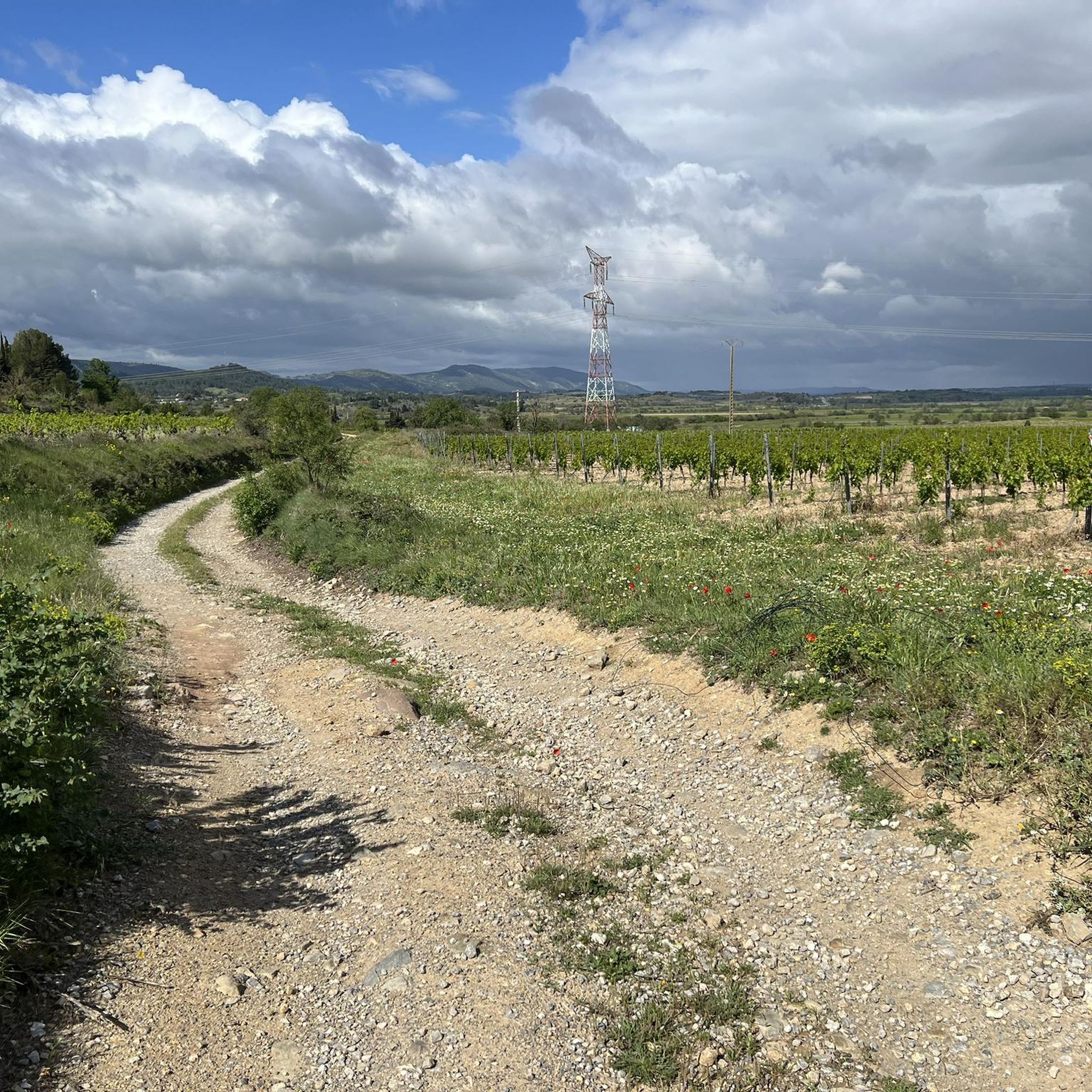
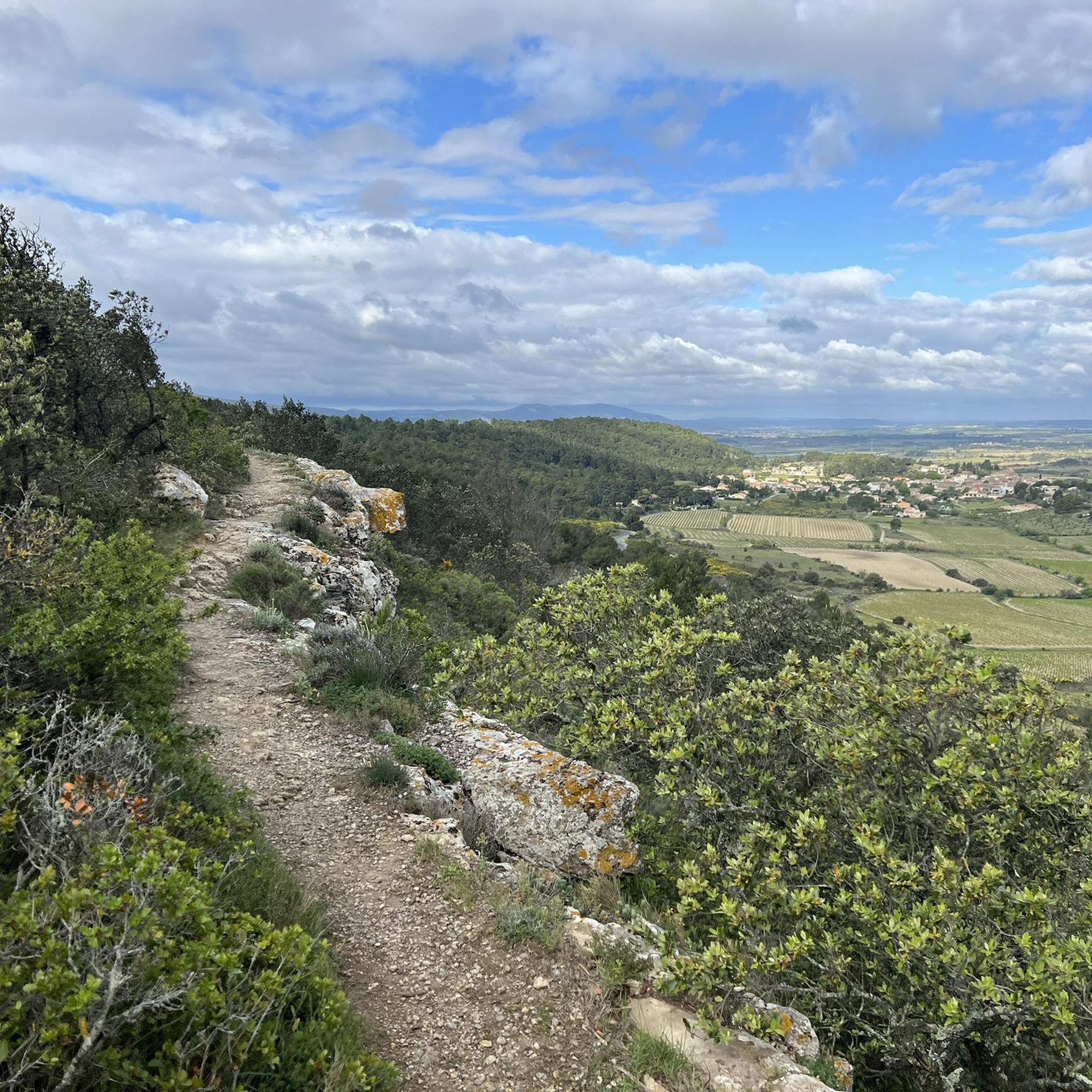
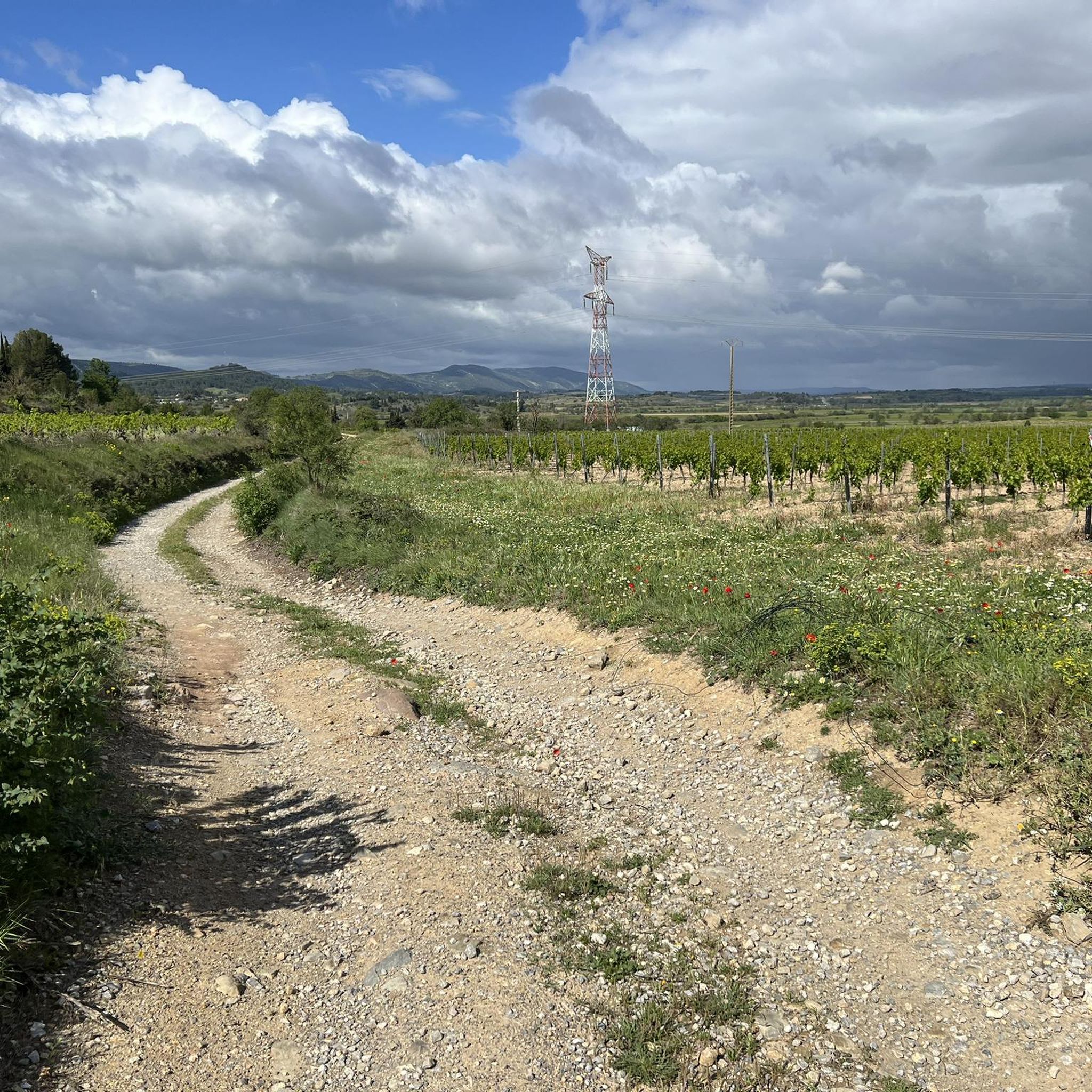
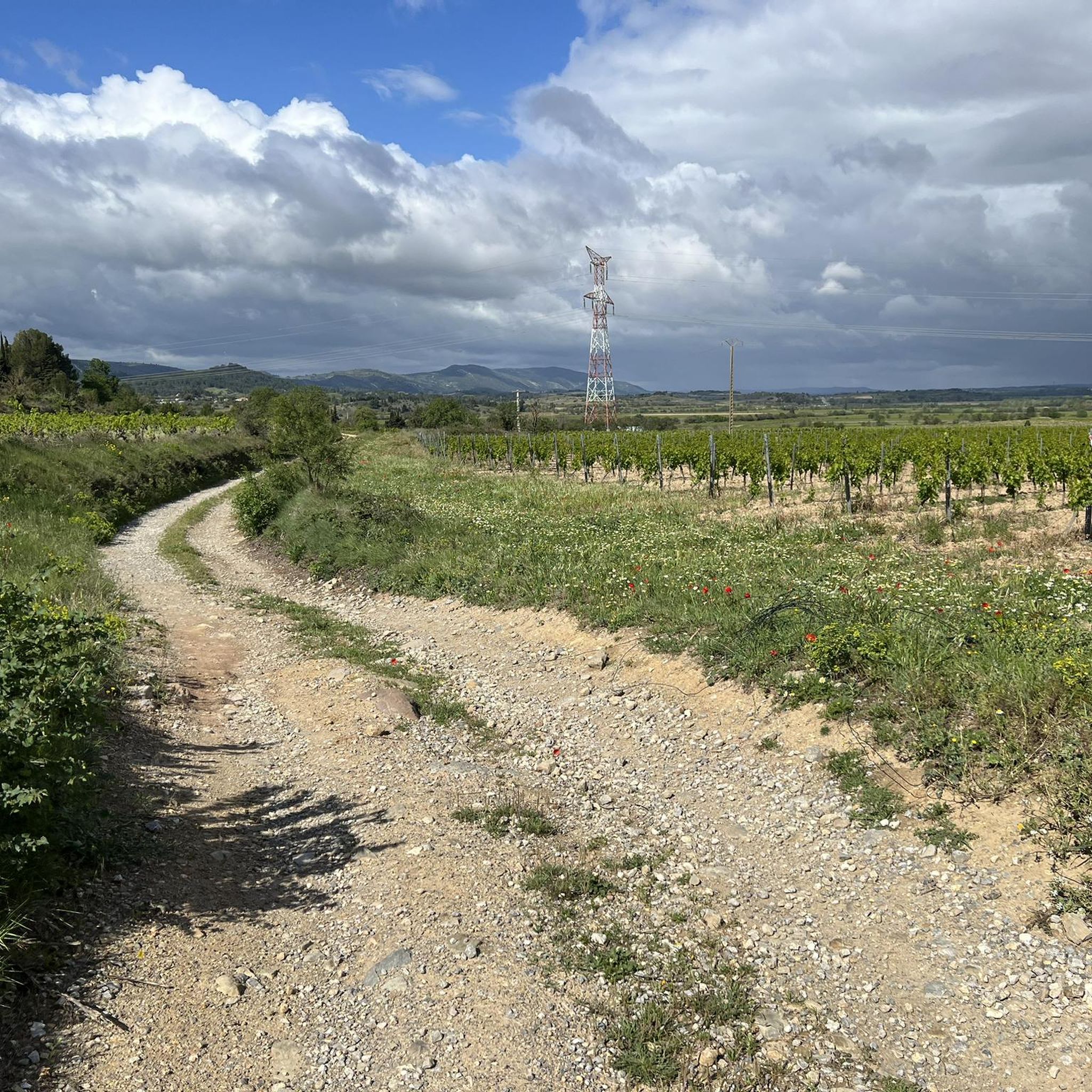

Tips from the Community

• The beginnings (1901): The father, Léon Camman, sent his newly graduated son Joseph to the Étang de Marseillette, where the family held financial shares. Joseph took over the management and gradually acquired around 800 of the total 2,000 hectares of the area. • The Naudy hydroelectric power plant (1912): To operate the complex drainage and irrigation system on a large scale, Joseph Camman designed and built his own small hydroelectric power plant. • Electric plowing: Thanks to the energy generated, Camman revolutionized local agriculture. He introduced electric plowing, which allowed the huge, often heavy and crusted soils of the former lake bed to be mechanically deep-plowed and cultivated. • Infrastructure development: The family systematically built paths, bridges, and access roads to connect the agricultural estates (metaories) with each other and to enable the transport of harvests.
0
0
The Camman era (1900–1941) marks the phase of technological modernization and industrialization of the drained Étang de Marseillette. After the land had been divided among many small farmers in the 19th century and the canals had fallen into disrepair due to a lack of coordination, this family brought back the necessary structure and innovation
0
0
Although she successfully drained the swamp water and made the land arable, her financial resources were ultimately not enough to solve the soil's biggest problem: the salt. The later project of diverting fresh river water from the Aude via a tunnel to wash the salty soil had to be completed later by successor companies.
0
0
• Origin and status: Marie Anne came from the influential Irish-Catholic Coppinger family. After her husband's death, she possessed a considerable fortune. • The purchase of the Etang (1804): During the Napoleonic era, she acquired the vast swamp area as "national property" (domaine national). The authorities gave her a four-year deadline to have the body of water completely drained in order to protect the health of the local population (who suffered from malaria) and to gain new arable land. • The mammoth task: Together with her son, she led a gigantic construction project. She invested almost her entire fortune in the construction of kilometers of drainage canals and ditches
0
0
Madame Lawless (born Marie Anne Coppinger) was a wealthy Irish widow who played a decisive role in the history of the Minervois at the beginning of the 19th century. She went down in history as the woman who, from 1804 onwards, succeeded in permanently draining the uninhabitable and disease-ridden swamp of the Étang de Marseillette and transforming it into a fertile agricultural area.
0
0
The site is also part of a protected natural area (ZNIEFF) due to its rich biodiversity, hosting numerous bird species (herons, egrets, ducks) attracted by this aquatic and agricultural environment.
0
0
Today, the pond is criss-crossed by dozens of kilometers of drainage and irrigation canals. This network has allowed for the development of crops that are very surprising for the Mediterranean region: • Rice: Rice fields thrive in the heart of the Aude. • Vines: Which produce wines with a unique character, influenced by the salt still present in the subsoil. • Apples: Large orchards cover part of the plain
0
0
It was finally at the beginning of the 19th century, from 1804 onwards, that the project succeeded thanks to the initiative of an Irish woman, Madame Lawless. Later, in the middle of the 19th century, the digging of a tunnel of more than 2 kilometers made it possible to bring water from the Aude to irrigate the pond and, above all, to wash out the salt accumulated in the soil. At the beginning of the 20th century, the engineer Joseph Camman modernized the site by creating, in particular, the Naudy hydroelectric plant to mechanize the work of the land.
0
0
Frequently Asked Questions
What natural features define the landscape around Montbrun-des-Corbières?
Montbrun-des-Corbières is nestled within the rugged and picturesque Corbières region. The landscape is characterized by extensive vineyards, rolling hills, and distinctive limestone formations, creating a scenic environment ideal for exploration. The village's name, "Montbrun," even reflects the brown-red hue of its soil amidst these vineyards.
Are there historical landmarks to explore directly in Montbrun-des-Corbières?
Yes, the village offers significant historical sites. You can visit the Château de Montbrun, a ruined fortified castle dating back to the 12th and 15th centuries, perched on a hill overlooking the village. Additionally, the Chapelle Notre-Dame-de-Colombier, a classified historical monument amidst vineyards, serves as a prominent cultural and pilgrimage site.
What unique engineering marvels can I see along the Canal du Midi near Montbrun-des-Corbières?
The Canal du Midi features several impressive engineering structures. You can observe the Canal du Midi Bridge, which allows cycle paths and trails to lead along the canal. Another notable structure is the Argent-Double aqueduct and spillway, an original 17th-century construction with eleven arches designed to regulate and evacuate excess water from the canal. The Aiguille Lock - Canal du Midi also offers a fascinating insight into the canal's operation.
Can I find family-friendly activities in the area?
Yes, the area around Montbrun-des-Corbières offers several family-friendly options, particularly along the Canal du Midi. The Canal du Midi Bridge and the Argent-Double Spillway are great spots for walks or gentle bike rides, as they are explicitly categorized as family-friendly. Exploring the canal paths provides a safe and engaging environment for all ages.
What outdoor activities are available around Montbrun-des-Corbières?
The region is highly regarded for outdoor activities. You can enjoy extensive hiking and cycling on numerous trails that crisscross the vineyards and rolling hills. The Canal du Midi itself offers picturesque paths ideal for both cycling and walking. For specific routes, you can explore options like those found in the Hiking around Montbrun-Des-Corbières or Cycling around Montbrun-Des-Corbières guides.
Are there specific hiking trails recommended near Montbrun-des-Corbières?
Yes, there are several hiking trails catering to different difficulty levels. For an easy option, consider the "Rich Flora loop from Montbrun-des-Corbières." Moderate trails include "The signal d'Alaric by the roc Gris" and "The Alaric Tour loop from Moux." More challenging hikes like the "Roc de l'Aigle Loop Trail" are also available. You can find more details and routes in the Hiking around Montbrun-Des-Corbières guide.
What cycling routes are available around Montbrun-des-Corbières?
The area offers a variety of cycling routes, from road cycling to touring. You can find routes like the "Plane tree avenue – Canal du Midi Bridge loop from Escales" for touring bicycles, or more challenging road cycling options such as the "Col du Poteau – Carcassonne loop from Saint-Couat-d'Aude." Explore the Road Cycling Routes around Montbrun-Des-Corbières and Cycling around Montbrun-Des-Corbières guides for detailed options.
What is the best time of year to visit Montbrun-des-Corbières?
The region is generally pleasant for outdoor activities from spring through autumn. The Chapelle Notre-Dame-de-Colombier is particularly active on Easter Monday and September 8th, which might be a good time for those interested in cultural events. The vineyards are beautiful throughout the growing season, offering picturesque scenery for hiking and cycling.
What charming villages are worth visiting close to Montbrun-des-Corbières?
Montbrun-des-Corbières serves as an excellent base for exploring other renowned sites. Lagrasse, recognized as one of France's "Most Beautiful Villages" with a romantic medieval atmosphere, is approximately 13 km away. Minerve, another "Most Beautiful Village" known for its ancient streets, is about 18 km distant. Caunes-Minervois, around 19 km away, is also recommended for those exploring the Minervois wine region.
What makes the Canal du Midi a significant attraction in this region?
The Canal du Midi is a UNESCO World Heritage site and a technical masterpiece from the 17th century. It offers picturesque paths for cycling and walking, connecting various historical structures like bridges, locks, and spillways. Its historical significance, combined with its scenic beauty and opportunities for outdoor recreation, makes it a central point of interest in the area.
Are there any dog-friendly walking options around Montbrun-des-Corbières?
Many of the trails along the Canal du Midi and through the surrounding vineyards are suitable for walks with dogs, provided they are kept on a leash and you respect local regulations. The general outdoor nature of the region's hiking and cycling paths makes it a good choice for dog owners looking to explore with their pets.
What do visitors particularly enjoy about the attractions here?
Visitors appreciate the blend of historical context and outdoor exploration. The Canal du Midi structures, such as the Canal du Midi Bridge and the Argent-Double aqueduct and spillway, are admired for their architectural design and historical significance. The scenic routes along the canal and through the vineyards are also highly enjoyed for their beauty and tranquility.
Where can I learn more about the Corbières wine region?
Montbrun-des-Corbières is situated within the heart of the Corbières wine region, surrounded by vineyards. You can appreciate the local wine culture by exploring the agricultural landscape. For more detailed information about the region's wines and tourism, you might find resources on the official tourism website for Corbières-Minervois helpful, such as this page.
Most popular routes around Montbrun-Des-Corbières

Get inspired with the komoot mobile app


Explore more
Still not found the Highlight you’re looking for? See guides of the top attractions in other regions:
