Attractions and Places To See around Conilhac-Corbières - Top 20
Best attractions and places to see around Conilhac-Corbières, a village situated between the Minervois and Corbières regions, offer a blend of historical landmarks and natural landscapes. The area features vineyards, ancient sites, and the Pine Forest of L'Aousina, providing opportunities for exploration. Visitors can discover the village's past through its old quarter and historical structures, alongside natural features like the resurgence of rainwater at Sabatiera. The region is also known for its annual Jazz Festival and local art galleries.
Best attractions and places to see around Conilhac-Corbières
- The most popular attractions is Canal du Midi Bridge, a bridge that is part of the UNESCO World Heritage Site. Cycle paths and small trails often lead along the Canal du Midi, which can be explored by bicycle.
- Another must-see spot is Argent-Double Spillway, a bridge that regulates the water level in the canal. This structure is considered a work of art, deserving a stop to observe its architecture and environment.
- Visitors also love Aiguille Lock - Canal du Midi, an interesting lock with numerous creations by the lock keeper. This lock is part of the 240 km long Canal du Midi, a cultural monument with 328 structures.
- Conilhac-Corbières is known for its historical sites, natural features, and cultural experiences. The area offers a variety of attractions to see and explore, from ancient vestiges to vineyards and the Canal du Midi.
- The attractions around Conilhac-Corbières are appreciated by the komoot community, with 89 upvotes and 44 photos shared by visitors.
Last updated: August 4, 2026
Canal du Midi Bridge
Highlight • Bridge
Translated by Google •
Tip by

Écluse de l'Aiguille
Highlight • Other
Translated by Google •
Tip by

Sign up now to discover places like this
Get recommendations on the best single tracks, peaks, & plenty of other exciting outdoor places.
Sign up for free
Argent-Double aqueduct and spillway
Highlight • Other
This evacuation is done in two ways. The first is by evacuating surface water by means of a spillway (overflow system) at the point where the bank is lowest at the level of the arches of the structure. The water that spills then falls in a cascade to the Argent-Double River below. After the surface water has been evacuated, the second means of evacuation of the structure is the spillway itself, that is to say, a bottom valve, which allows, with the action of man, to evacuate the water through the bottom. During maintenance work carried out in winter, this reach (portion between two locks) is emptied by this means.
A passage on the arches is built in order to maintain a "dry" continuity for the towing horses and avoid the slippery and perilous passage that this spillway presented. (Text from: La Redorte
and works of the Argent-Double)
Translated by Google •
Tip by

Château de Montséret Ruins
Highlight • Castle
Translated by Google •
Tip by

Argent-Double Spillway
Highlight • Bridge
Translated by Google •
Tip by
Sign up for free to discover even more attractions around Conilhac-Corbières.
Sign up for free
Already have an account?
Start today with a free account
Your next adventure awaits.
Login or Signup

Tips from the Community

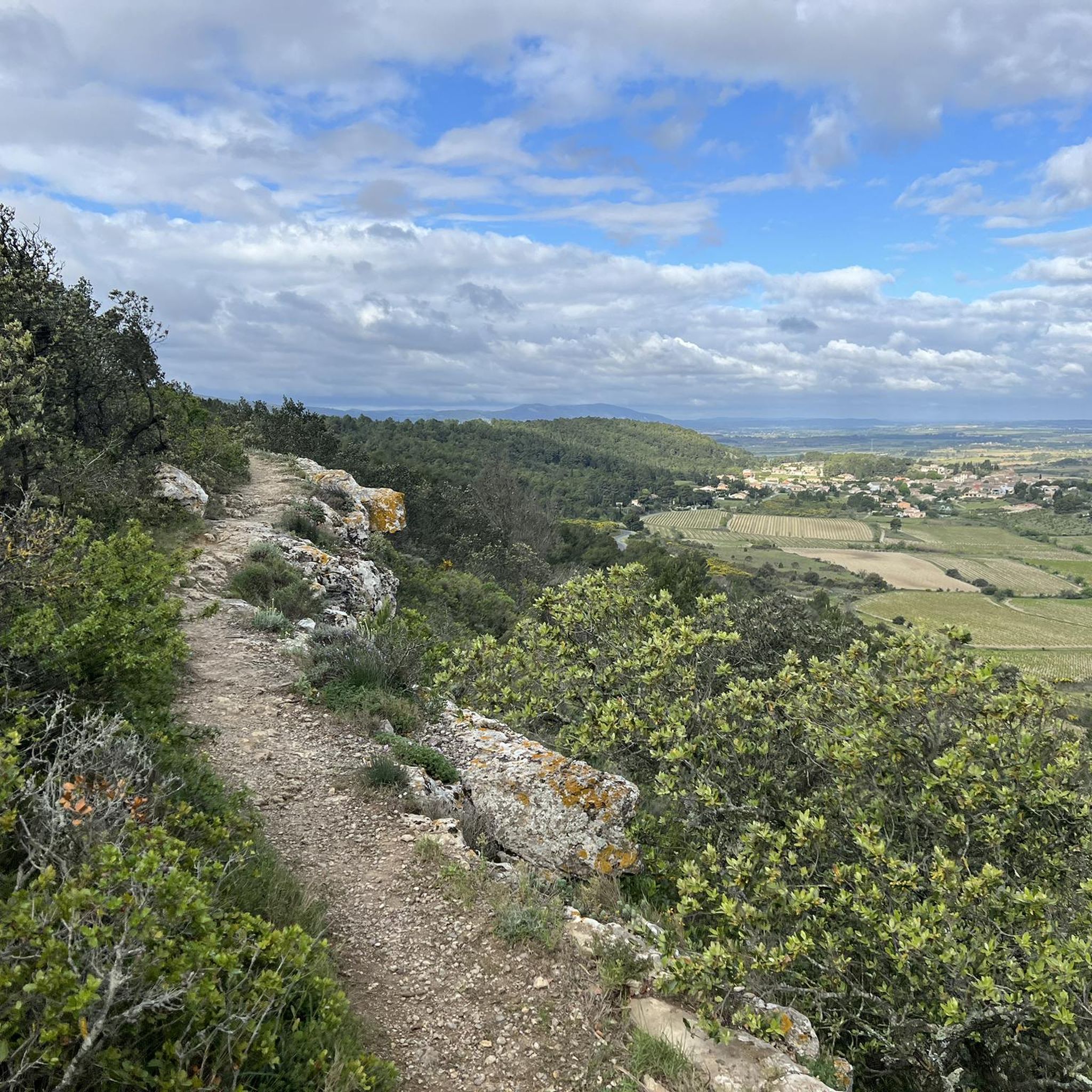
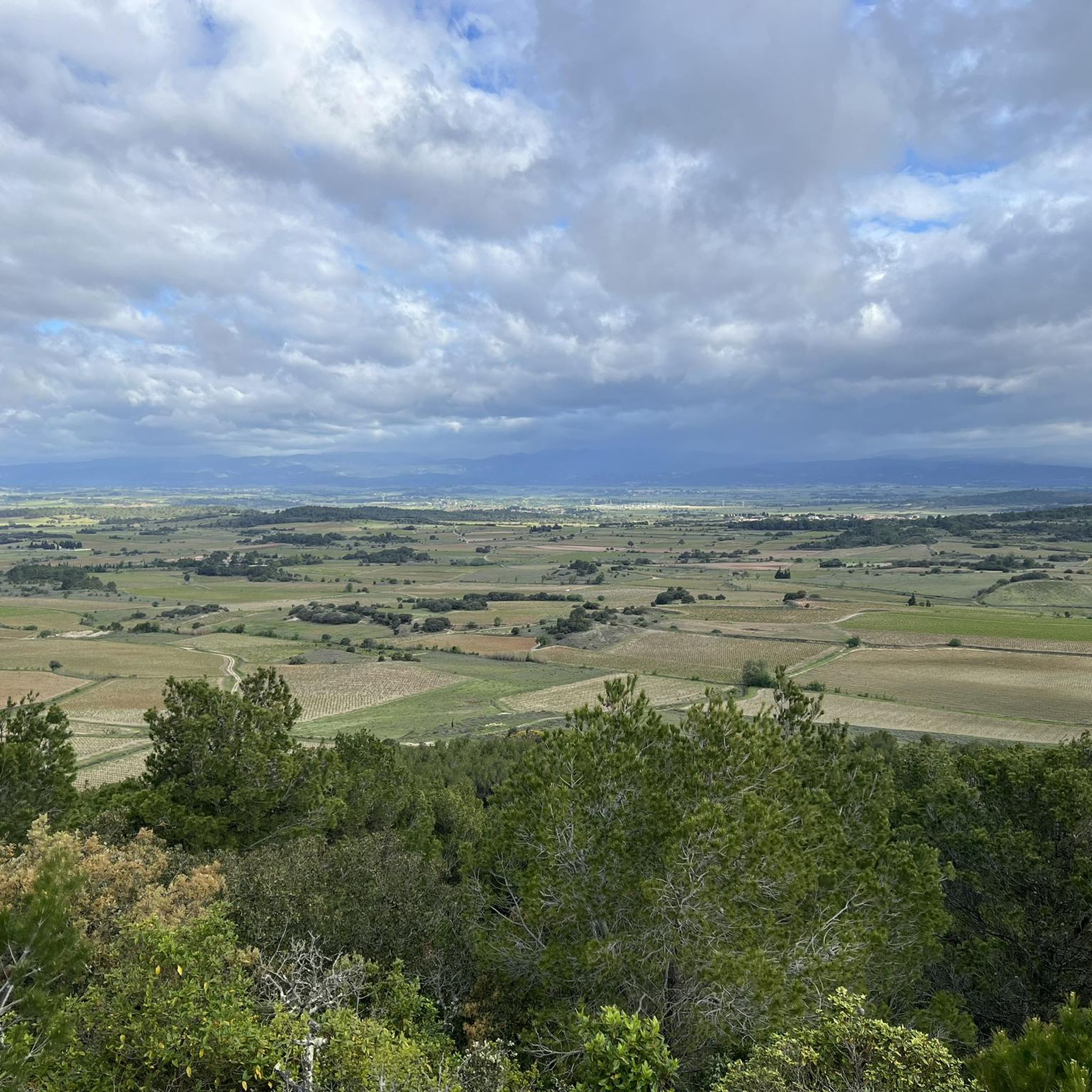
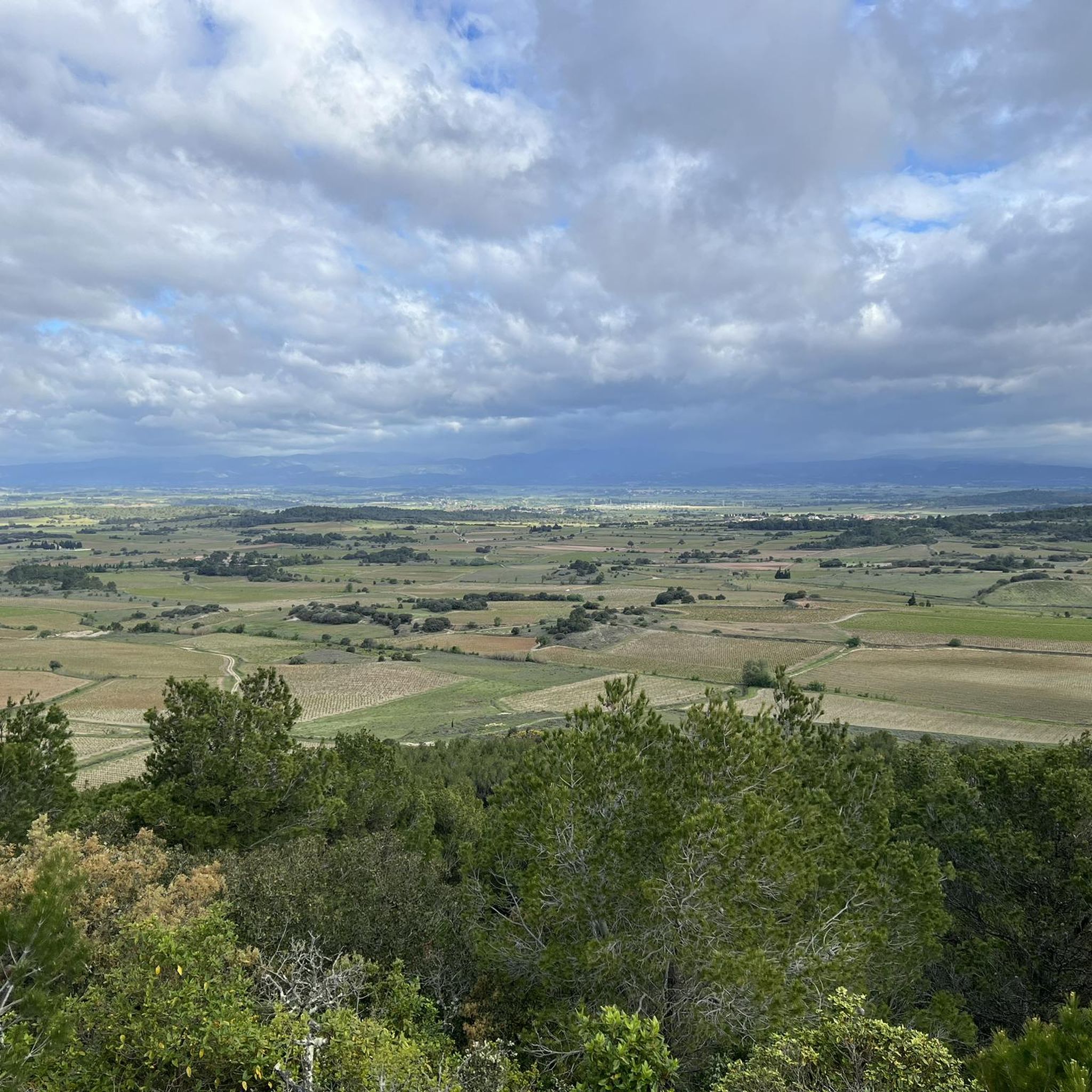
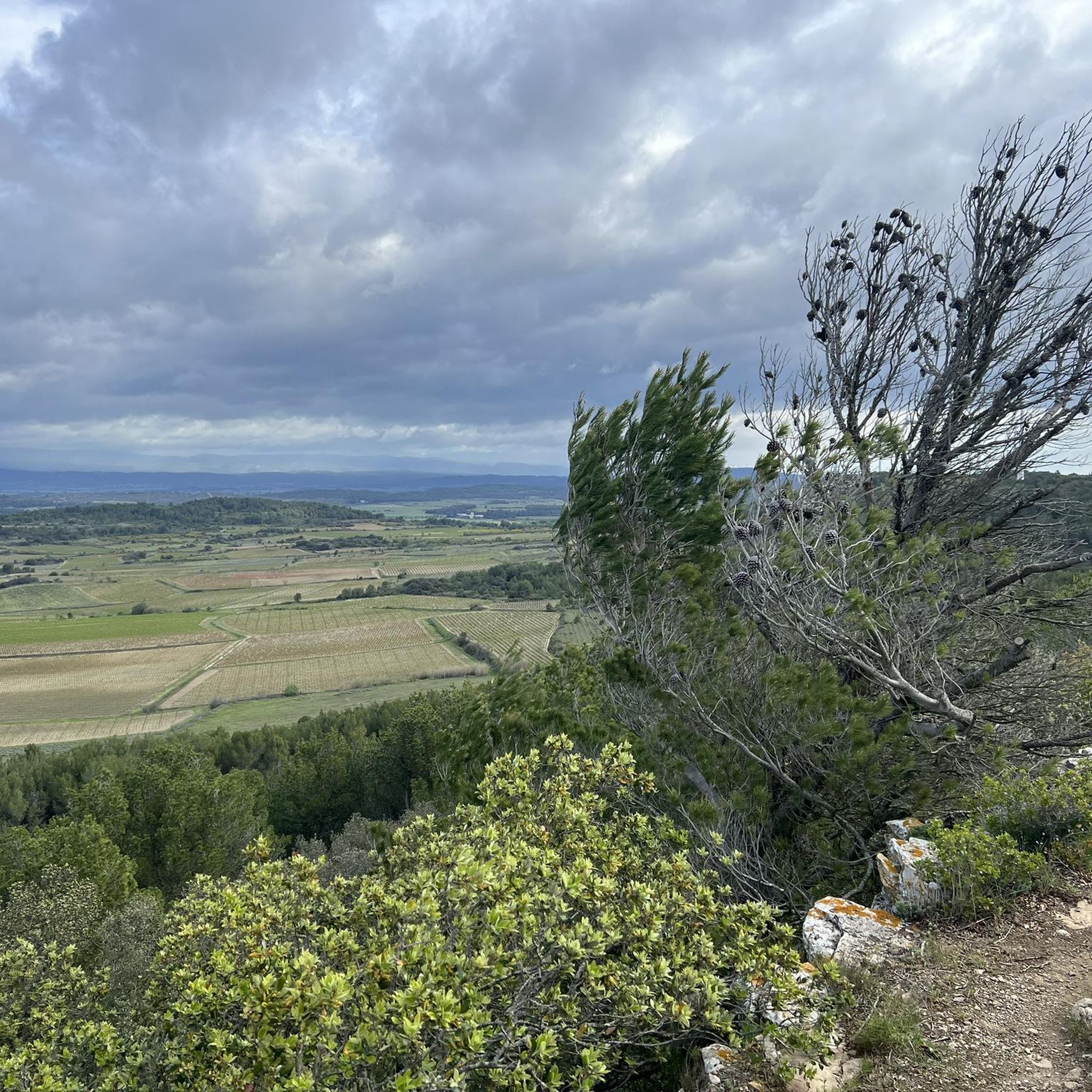
The Château de Montséret (also known as Château de la Bouisse or Moun Séré) is located on a rocky ridge above the village of Montséret in the Corbières. The castle was probably built in the 10th century and was an important medieval fortress with a keep and a double ring wall. It overlooked an important trade route between the Corbières and Narbonne. In the 12th and 13th centuries, it was the seat of the lords of Montséret and played a role in regional power struggles. Around 1550, the fortified village on the mountain was abandoned for unknown reasons – possibly due to a plague epidemic. The inhabitants founded the current village in the plain, and the castle fell into ruin. In the 19th century, many stones from the ruins were reused for the construction of a railway line and dry stone walls. Today, the ruins are a worthwhile destination for hikers and offer a beautiful view over the vineyards of the Corbières. The entire castle remains were classified as a historical monument in 2024 under S
0
0


Wonderful collection of eccentric art and sculptures, especially the moving ones
0
0


technical feat - if necessary, the Canal du Midi overflows into the river (l'argent double) that flows underneath it
0
0

The German-language television series "Treasures of the World - Heritage of Humanity" uses short film clips to honor special sites from all eras and continents that have one thing in common: they have been declared World Heritage Sites by UNESCO. One of the episodes introduces the CANAL DU MIDI: "...the Romans already dreamed of a waterway between the Mediterranean and the Atlantic. Powerful people and doers from Charlemagne to Francis the First failed to realize this idea, even Leonardo da Vinci tinkered with it in vain. It was not built until the end of the 17th century. The Canal du Midi is a technical masterpiece by one person, one obsessed with the idea, by Pierre Paul Riquet. ..." Can be seen at => https://www.ardmediathek.de/video/schaetze-der-welt/gcanal-du-midi-frankreich-folge-224/swr/Y3JpZDovL3N3ci5kZS82OTg2NDg2
0
0
Frequently Asked Questions
What historical sites can I explore within Conilhac-Corbières?
Within the village, you can wander through the recently renovated Old Quarter of Cairo, see the historic Clock Tower (Tour de l'Horloge) which was once part of the village ramparts, and visit the Old Mill and Place du Lavoir. Evidence of ancient origins can be found in the vestiges of Gallo-Roman tombs and habitats, and remnants of the Chappe Telegraph Post are also present. The Parish Church dedicated to Notre Dame, built in 1855, stands on the site of an older place of worship.
Are there any natural attractions or scenic spots around Conilhac-Corbières?
Yes, the village is surrounded by the picturesque vineyards of the Corbières region, perfect for walks or bike rides. You can also explore the Pine Forest of L'Aousina, accessible via the Col de la Portanelle, which offers hiking trails like the 'Boucle de Randonnée de l'Aousina' with views of the valley and Corbières. Another natural feature is Sabatiera, marking the resurgence of rainwater.
What are some popular outdoor activities near Conilhac-Corbières?
The area is excellent for various outdoor activities. You can enjoy cycling along the Canal du Midi Bridge and its surrounding paths. For hiking, consider routes in the Pine Forest of L'Aousina. There are also numerous hiking trails around Conilhac-Corbières, including moderate options like 'The signal d'Alaric by the roc Gris'. If you prefer road cycling, explore routes like the Loop of Lézignan-sur-Corbières. For runners, there are running trails, including an easy 'Running loop from Conilhac-Corbières'.
What cultural experiences does Conilhac-Corbières offer?
Conilhac-Corbières is known for its annual Jazz Festival, held every November, which attracts musicians internationally. You can also visit L'Art dans le Ruisseau Gallery, which showcases various artists and hosts exhibitions, particularly during the summer months.
Are there any family-friendly attractions around Conilhac-Corbières?
Yes, several attractions are suitable for families. The Canal du Midi Bridge and the paths along the Canal du Midi are great for leisurely walks or bike rides. The Argent-Double Spillway is also considered family-friendly, offering an interesting architectural sight. Exploring the Pine Forest of L'Aousina provides natural spaces for children to enjoy.
What are some unique architectural or engineering marvels to see?
The Canal du Midi itself is a UNESCO World Heritage Site, featuring impressive structures. You can visit the Canal du Midi Bridge, the Argent-Double aqueduct and spillway, which is an original 17th-century structure designed to manage water levels, and the Aiguille Lock - Canal du Midi, known for its lock keeper's creations and its role in this 240 km waterway.
Can I experience local wine culture in Conilhac-Corbières?
Absolutely. The region is renowned for its vineyards. You can visit Château du Vieux Parc, a private winery operated by the Panis family for six generations, to enjoy wine tastings and cellar visits, discovering and sampling local Corbières wines.
What are some recommended day trips from Conilhac-Corbières?
Conilhac-Corbières is ideally located for exploring nearby gems. You can visit Lagrasse (13 km away), one of France's 'Most Beautiful Villages,' or the historic Fontfroide Abbey (16 km). Another 'Most Beautiful Village' is Minerve (19 km). For a city experience, Narbonne (23 km) offers rich history, while the medieval fortress-town of Carcassonne City (29 km), a UNESCO World Heritage site, is a major attraction. The Sigean Nature Reserve (28 km) is also a popular wildlife park.
What kind of views can I expect from higher elevations?
From higher points, particularly along hiking loops in the Pine Forest of L'Aousina, you can enjoy expansive panoramic views. These vistas often stretch over the Aude plain and the Corbières massif, with the majestic Pyrenees visible in the background on clear days.
What do visitors enjoy most about the attractions around Conilhac-Corbières?
Visitors frequently appreciate the blend of historical significance and natural beauty. The Canal du Midi Bridge and other Canal structures are admired for their engineering and scenic surroundings, with many enjoying cycling or walking along the canal. The Argent-Double Spillway is often highlighted as a 'work of art' for its architecture. The overall charm of the village and the opportunities for outdoor exploration in the vineyards and forests are also highly valued.
Is there a specific time of year when Conilhac-Corbières is particularly vibrant?
While the region is beautiful year-round, November is particularly vibrant due to the annual Jazz Festival, which draws international musicians and a lively atmosphere. Summer months also see increased activity, with L'Art dans le Ruisseau Gallery hosting exhibitions.
Most popular routes around Conilhac-Corbières

Get inspired with the komoot mobile app


Explore more
Still not found the Highlight you’re looking for? See guides of the top attractions in other regions:
