Attractions and Places To See around Givenchy-Le-Noble - Top 8
Attractions and places to see around Givenchy-Le-Noble include historical architecture and tranquil rural landscapes in the Pas-de-Calais department of France. This commune offers a glimpse into its past through notable landmarks. Situated within the "landscapes of the great plains of Arras and Cambrai," the area provides opportunities for exploring historical sites and natural features. Its historical buildings serve as key points of interest for visitors.
Best attractions and places to see around Givenchy-Le-Noble
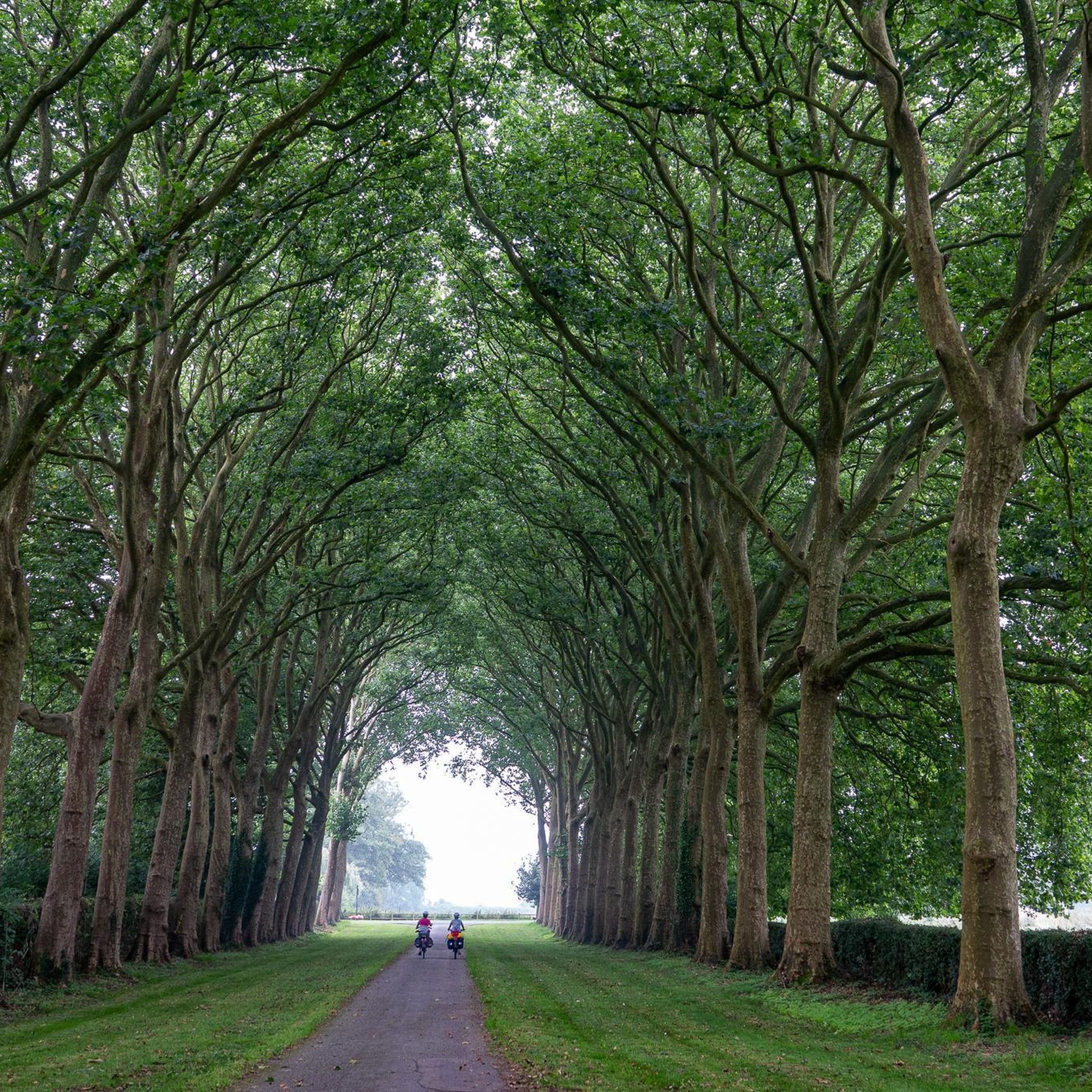
- The most popular attractions is Allée des Tilleuls, an avenue of lime trees that connects the Château de Lignereuil and the castle of Givenchy-le-Noble. This 1800-meter-long road features a double row of ancient lime trees, listed as historical monuments.
- Another must-see spot is Château de Bavincourt, a castle located in the commune of Bavincourt. The current castle was built by François Deslions on the site of an old manor house.
- Visitors also love Château de Givenchy, a castle built in 1716 by François de Lelès. Its facades, roofs, entrance gate, and pilasters have been partially registered as a historical monument since May 12, 1976.
- Givenchy-Le-Noble is known for its historical castles, churches, and scenic avenues. The area offers a variety of historical sites and natural features to see and explore.
- The attractions around Givenchy-Le-Noble are appreciated by the komoot community, with 12 upvotes and 20 photos shared by visitors.
Last updated: July 28, 2026
Castle adjoining the church in Habarcq
Highlight • Castle
Translated by Google •
Tip by

Château de Bavincourt
Highlight • Castle
mairie.bavincourt.fr/?page_id=304
Translated by Google •
Tip by

Sign up now to discover places like this
Get recommendations on the best single tracks, peaks, & plenty of other exciting outdoor places.
Sign up for free
Château de Givenchy
Highlight • Religious Site
Translated by Google •
Tip by
Allée des Tilleuls
Highlight • Other
Translated by Google •
Tip by
Eglise du Lattre Saint-Quentin
Highlight • Other
Its patron saint is St Quentin.
The church was purchased by the son Aimable Billot de Lattre on 7 Floréal year 9, (May 7, 1801) from the Fabrique, for the sum of 58,300 francs.
The bell tower, although restored in recent years, still appears to be the bell tower of the old church which dates back to a very remote period. It bears the stamp of the 13th century.
The current bell dates from 1890 (700kg) It is called Marie, was baptized by Mr. LEFIN, dean of Avesnes-le-Comte, and had as godfather Mr. Brazier, Mayor, and as godmother Me Desaulty.
As a relic, the church firstly has a considerable relic (femur bone) of St Quentin, a gift made by the church of St Quentin to Mr. Flajollet priest of Lattre at the beginning of this century as well as a fairly important relic from St Vaast, one from St Arnaud and one from St Wulgan.
There was once a very popular pilgrimage in honor of St Quentin. It is difficult to assign the time when this pilgrimage began. But as far back as the church's account registers go, that is to say in the year 1570, there is question of the income made by the sale to pilgrims of coupons to burn and images on the days of the feasts of St Quentin.
Translated by Google •
Tip by
Sign up for free to discover even more attractions around Givenchy-Le-Noble.
Sign up for free
Already have an account?
Start today with a free account
Your next adventure awaits.
Login or Signup




Tips from the Community

The current castle with a beautiful weathercock.
4
0
The Église Saint-Martin in Habarcq is a historic building with a rich history. It was originally built in the 13th century by Jehan de Habarcq, but was quickly destroyed and burned during the conflicts between Louis the French Revolution. The church has a number of unique features, including the fact that it was originally a chapel attached to the de Habarcq family castle. It only became a parish church in 1806. Inside the church there were windows (which are still visible) that allowed the gentlemen to attend religious ceremonies without having to move. Built in the Gothic style, the church has a number of interesting architectural features, including richly decorated windows depicting vegetative and animal motifs from the medieval bestiary. Above the first window you can see the coat of arms of the Count of Lens, lord of Habarcq. The church is located in the heart of the village and is partly hidden by its proximity to the castle. The interior is completely covered in woodwork and paneling, said to come from a cedar tree from Lebanon that once stood in the castle's park and was uprooted by a storm in 1940.
4
0
The castle adjoining the Habarcq church is a historic monument located in Habarcq. The facades and roofs of the castle are listed as historical monuments by decree of April 5, 1948. The castle is private property
4
0
Rebuilt in 1792, the church was partly destroyed during the revolution after seeing its furniture piled up and burned inside; it is said that only the walls remained. Its patron saint is St Quentin. The church was purchased by the son Aimable Billot de Lattre on 7 Floréal year 9, (May 7, 1801) from the Fabrique, for the sum of 58,300 francs. The bell tower, although restored in recent years, still appears to be the bell tower of the old church which dates back to a very remote period. It bears the stamp of the 13th century. The current bell dates from 1890 (700kg) It is called Marie, was baptized by Mr. LEFIN, dean of Avesnes-le-Comte, and had as godfather Mr. Brazier, Mayor, and as godmother Me Desaulty. As a relic, the church firstly has a considerable relic (femur bone) of St Quentin, a gift made by the church of St Quentin to Mr. Flajollet priest of Lattre at the beginning of this century as well as a fairly important relic from St Vaast, one from St Arnaud and one from St Wulgan. There was once a very popular pilgrimage in honor of St Quentin. It is difficult to assign the time when this pilgrimage began. But as far back as the church's account registers go, that is to say in the year 1570, there is question of the income made by the sale to pilgrims of coupons to burn and images on the days of the feasts of St Quentin.
4
0
The Church of St. Brigude is a church in Givenchy-le-Noble, a commune in the Pas-de-Calais department in northern France. The church dates from the eighteenth century and was built in the seventeenth century. The church is owned by the municipality and is managed by the Parish of Sainte Marie de l'Assomption. The architecture of the church is interesting, with a nave built of red bricks and a choir of chalk stone.
4
0
The Château de Givenchy-le-Noble is a castle in Givenchy-le-Noble. The castle was built in 1716 by François de Lelès, an adviser to the Aides d'Artois, whose coat of arms is visible on the pediment. The facades, roofs, entrance gate and pilasters of the castle have been partially registered as a historical monument since May 12, 1976. The castle consists of a central body with five bays and two wings, each two bays long. The central body has a forebody crowned with a little developed pediment.
4
0
Château de Bavincourt is a castle located in the commune of Bavincourt, in the Pas-de-Calais department of France. An old manor house used to stand on the site of the present castle and its motte was still there during the construction of the latter; however, not much is known about it. The current castle was built by François Deslions, nephew of Jean-Louis Deslions, canon and dean of Saint-Omer, who had inherited the lands of Bavincourt.
1
0
This is a departmental road between the Château de Lignereuil and the castle of Givenchy-le-Noble. This road, which connects the two castles, is 1800 meters long and consists of a double row of ancient lime trees listed in the inventory of historical monuments.
5
0
Frequently Asked Questions
What historical landmarks can I visit in Givenchy-Le-Noble?
Givenchy-Le-Noble is rich in history. You can explore the elegant Château de Givenchy, built in 1716, with its facades and roofs partially registered as a historical monument. Another significant site is the 18th-century Église Sainte-Brigude, featuring distinctive red brick and chalk stone architecture. Additionally, the Castle adjoining the church in Habarcq is a historic monument with parts dating back to the 13th century.
Are there any notable natural features or scenic walks in the area?
Yes, the region is known for its tranquil rural landscapes. A prominent natural feature is the Allée des Tilleuls, an 1800-meter-long avenue of ancient lime trees connecting the Château de Lignereuil and the castle of Givenchy-le-Noble, listed as a historical monument. The area is situated within the "landscapes of the great plains of Arras and Cambrai," offering picturesque scenery.
What outdoor activities are available near Givenchy-Le-Noble?
The area around Givenchy-Le-Noble provides various outdoor activities. You can find numerous running trails, such as the "Running loop from Manin" (10.7 km) or the "Motte féodale loop from Izel-lès-Hameau" (12.5 km). For hiking enthusiasts, there are routes like the "Allée des tilleuls – Château de Lignereuil loop from Lignereuil" (7 km, easy). Mountain biking is also popular, with trails like the "Château de Lignereuil – Lucheux Castle loop from Avesnes-le-Comte" (56 km). You can find more details on these activities in the dedicated guides for running, hiking, and MTB around Givenchy-Le-Noble.
What is the best time of year to visit Givenchy-Le-Noble?
Givenchy-Le-Noble offers a tranquil experience throughout the year. The spring and summer months (April to September) are ideal for enjoying the natural landscapes and outdoor activities like cycling and walking along the Allée des Tilleuls. The historical sites are accessible year-round, providing a glimpse into the region's past regardless of the season.
Are there other castles to visit in the vicinity?
Yes, beyond the main attractions, you can also visit Château de Bavincourt, located in the commune of Bavincourt. This castle was built by François Deslions on the site of an older manor house, offering another historical point of interest.
What kind of architecture can I expect to see in the region?
The architecture in Givenchy-Le-Noble and its surroundings primarily showcases historical styles. You'll find elegant 18th-century château designs, such as the Château de Givenchy, and distinctive church architecture like the Église Sainte-Brigude, which combines red brick and chalk stone from the 17th and 18th centuries. The region provides a glimpse into traditional French rural architecture.
Are there any religious sites of interest?
Absolutely. The Église Sainte-Brigude (also known as Sainte-Brigitte) in Givenchy-Le-Noble dates back to the 18th century, with some parts from the 17th century, and features unique red brick and chalk stone construction. Another notable religious site is the Eglise du Lattre Saint-Quentin, rebuilt in 1792, which holds relics and was historically a site of popular pilgrimage.
What do visitors particularly enjoy about the attractions around Givenchy-Le-Noble?
Visitors appreciate the historical significance and tranquil beauty of the area. The Allée des Tilleuls is particularly popular for its ancient lime trees and scenic appeal. The historical castles and churches offer a peaceful journey into the past, making the region a charming stop for those exploring Pas-de-Calais.
Where can I find accommodation near Givenchy-Le-Noble?
While Givenchy-Le-Noble is a small commune, you can find accommodation options in nearby villages and towns such as Lignereuil, Avesnes-le-Comte, Ambrines, and Denier. These areas offer a range of hotels, guesthouses, and other lodging choices to suit different preferences.
Are there cafes or pubs in Givenchy-Le-Noble or nearby villages?
Givenchy-Le-Noble itself is a small rural community, so options might be limited directly within the village. However, you can typically find cafes, pubs, and restaurants in the larger neighboring villages and towns like Lignereuil, Avesnes-le-Comte, Ambrines, and Denier, which are a short drive away.
Is Givenchy-Le-Noble suitable for family visits?
Givenchy-Le-Noble offers a quiet and picturesque setting that can be enjoyable for families who appreciate history and nature. The scenic walks, such as along the Allée des Tilleuls, are suitable for all ages. While there aren't specific 'family-friendly' attractions listed, the historical sites and rural environment provide a calm and educational experience.
What is the historical significance of the Château de Givenchy?
The Château de Givenchy holds significant historical value, having been built in 1716 by François de Lelès, an adviser to the Aides d'Artois. Its architectural features, including the facades, roofs, entrance gate, and pilasters, have been partially registered as a historical monument since 1976. The armorial bearings of its builder are still visible on the pediment, and the avenue of lime trees was planted in 1745 by Louis Benoit de Hamel.
Most popular routes around Givenchy-Le-Noble

Get inspired with the komoot mobile app


Explore more
Still not found the Highlight you’re looking for? See guides of the top attractions in other regions:
