Attractions and Places To See around Lançon - Top 20
Best attractions and places to see around Lançon-Provence, a village in the Bouches-du-Rhône department of France, offer a blend of history, culture, and natural landscapes. Situated amidst vineyards and olive groves, the area provides a Provençal experience. Notable landmarks include ancient ruins and historic churches, alongside natural features like the Collines de Lançon and views of the Étang de Berre. The region is characterized by its traditional architecture and agricultural heritage.
Best attractions and places to see around Lançon
- The…
Last updated: October 9, 2026
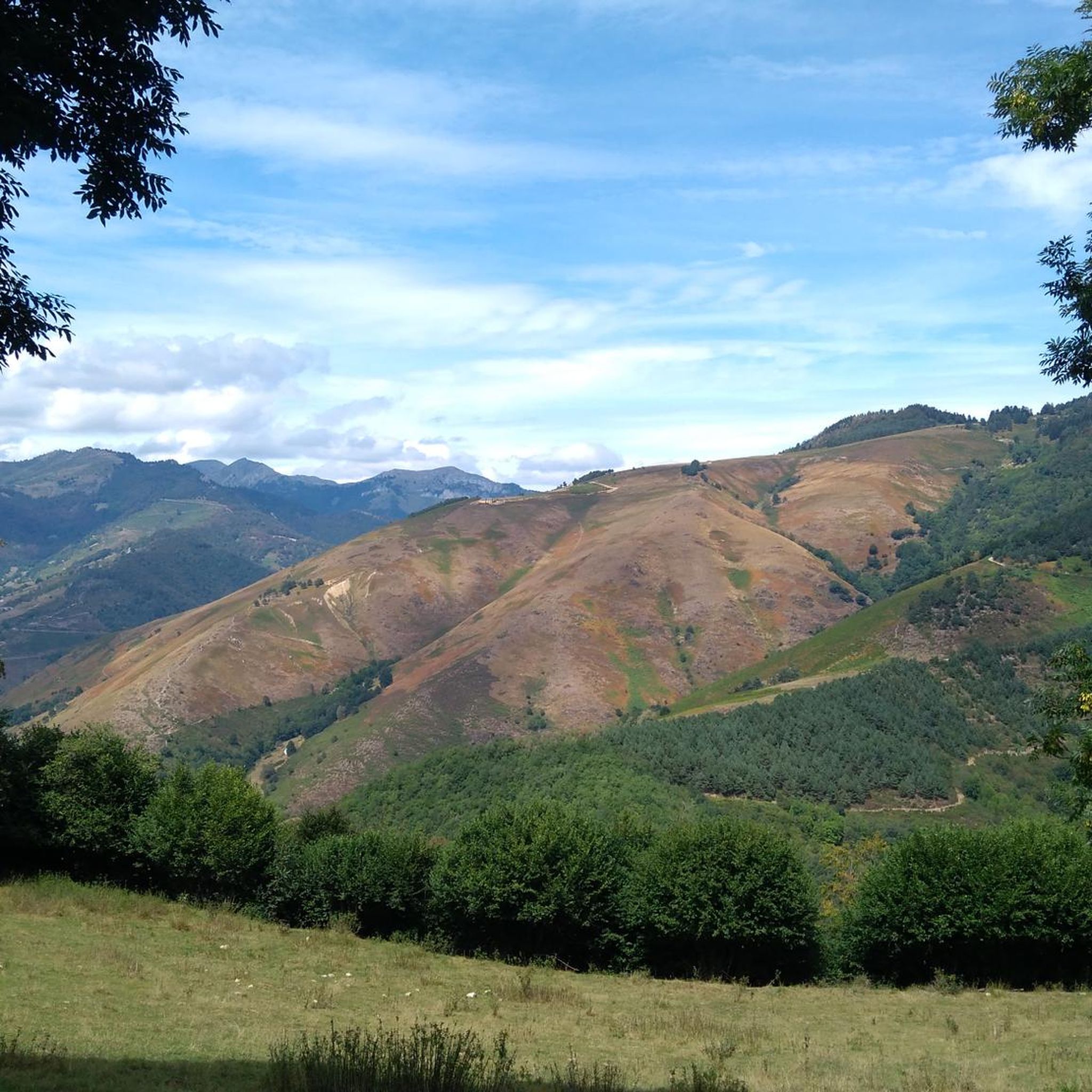
Col d'Aspin
Highlight • Mountain Pass
Showing Translation
Tip by

Hourquette d'Ancizan
Highlight • Mountain Pass
Translated by Google •
Tip by
Sign up now to discover places like this
Get recommendations on the best single tracks, peaks, & plenty of other exciting outdoor places.
Col de Val Louron-Azet
Highlight • Mountain Pass
Translated by Google •
Tip by
Port de Balès
Highlight • Mountain Pass
Translated by Google •
Tip by
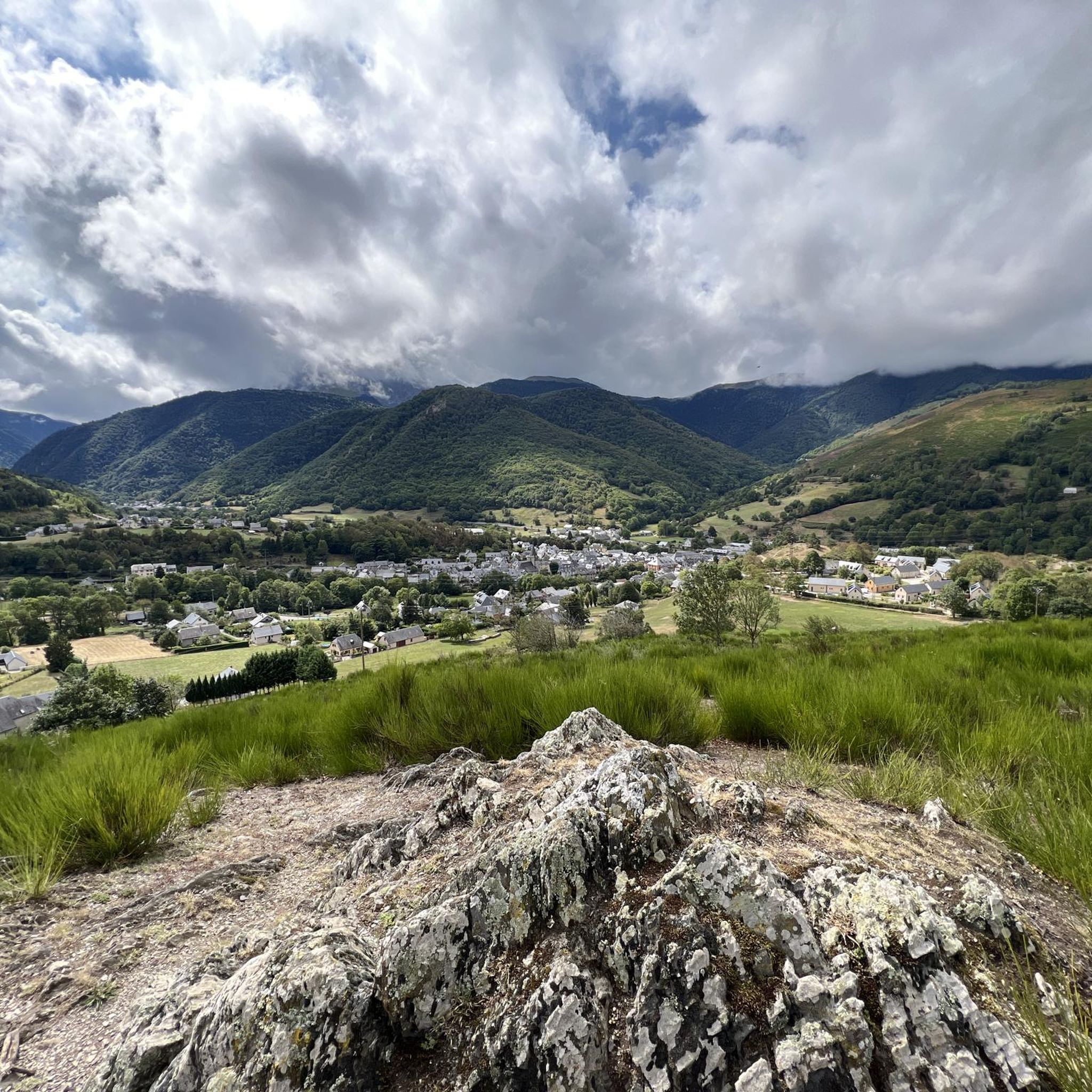
Arreau
Highlight • Settlement
You will find there accommodation possibilities and supplies.
Translated by Google •
Tip by
Sign up for free to discover even more attractions around Lançon.
Already have an account?
Start today with a free account
Your next adventure awaits.


Tips from the Community

I ride this pass once a month by mountain bike since November 2025, this pass is closed to cars because of the snow but what a chance to see deer and does running in the snow. 😉
0
0

Pleasant and legendary climb used by the Tour de France
1
0


Passes reserved for cyclists 9-12 p.m. this Monday 07/15, happiness!
0
0

I would just like to remember that Alejandro Valverde was the first rider at the top of this pass when the Tour crossed it for the first time in 2012, subsequently winning the stage that ended in Peryagudes.
0
0
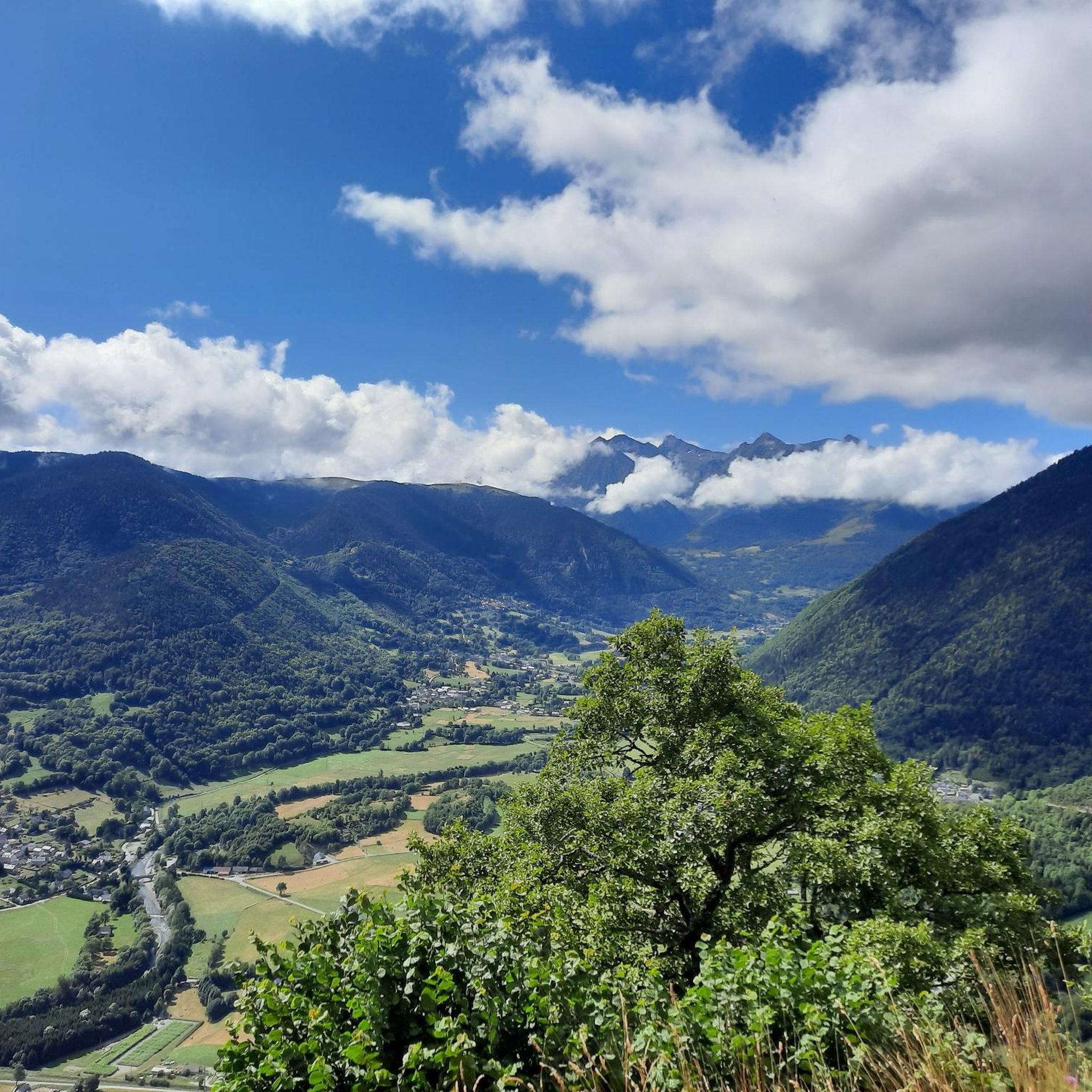
Port de Balès is one of the great colossi of the Pyrenees, discovered for professional cycling in the 2012 Tour, crowned by Alejandro Valverde for the first time. The two times I have climbed it it has been on its northern slope, the longest and hardest, although the southern slope is also very hard. The northern slope begins with a very nice road that runs next to the river and goes up it at a very gentle rate. Starting from a bridge, where you leave the river on the left, the hard 11 km stretch to the top begins, although it is true that there are 2 stretches where the slope softens and allows you to take a break. The last 5 km have spectacular views of the valley and the surrounding peaks. At the top, the panoramic view of the Pyrenees is incredible.
0
0

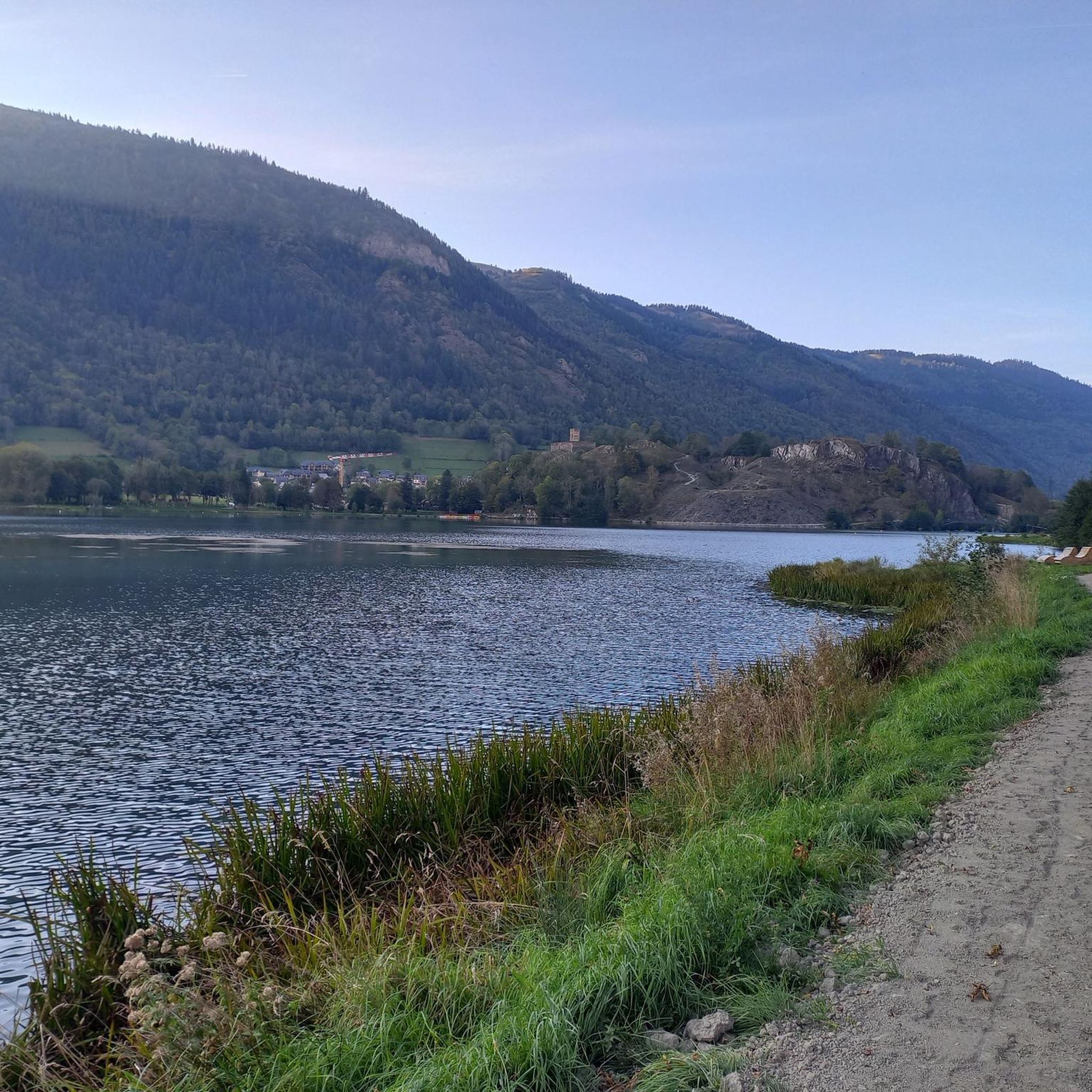
The Col d'Azet is a road mountain pass located at 1,585 meters above sea level. It allows you to go from the Aure valley to the Louron valley. It is one of the 34 passes connected by the famous pass road.
0
0
Frequently Asked Questions
What historical sites can I explore in Lançon-Provence?
Lançon-Provence is rich in history. You can visit the remains of the 12th-century Château de Lançon, which offers panoramic views and was once home to the Lords of Baux. Other significant historical buildings include the 16th-century House of the Templars (Hôtel du Luxembourg) and the Hôtel des Foresta. Don't miss the 16th-century Saint-Cyr Church and St. Julitta, a classified historical monument.
Are there any significant archaeological sites in the Lançon area?
Yes, the Constantine Salluvian Site is a major archaeological attraction. Dating back to the 2nd century BC, it is the largest Celtic-Ligurian oppidum in Provence. You can also find protohistoric vestiges at the fortified farm of Coudounéu (5th century BC) and explore artifacts from the Coudouneu site at the Archaeological Exhibition Hall.
What natural landscapes define Lançon-Provence?
The region is characterized by its extensive olive groves and vineyards, which are a defining feature of the landscape and contribute to its gastronomic appeal. You'll also find rolling hills and varied terrain, with approximately 4,000 hectares of natural spaces including forest massifs and garrigue. From certain vantage points, such as Miramas-le-Vieux, you can enjoy views of the nearby Étang de Berre.
What cultural experiences can I find in Lançon-Provence?
Immerse yourself in Provençal culture by walking through the charming historic center and medieval streets. Visit the House of Arts and Provençal Traditions to see a reconstructed interior from the late 19th century. The village also hosts vibrant local markets and festive events like the 'Fête de l'Olivier' (Olive Festival) throughout the year.
What is the best time to visit Lançon-Provence for sightseeing?
Lançon-Provence is pleasant for sightseeing for much of the year. Spring and autumn offer mild weather ideal for exploring historical sites and natural landscapes. Summer is also popular, though it can be warm, perfect for enjoying the outdoor markets and festivals. Winter is quieter, but still offers a charming experience of the Provençal village life.
Are there any specific viewpoints or scenic spots in Lançon-Provence?
From the remains of the Château de Lançon, you can enjoy panoramic views of the surrounding countryside. Additionally, certain vantage points, particularly from areas like Miramas-le-Vieux, offer beautiful views of the Étang de Berre and the distant Alpilles mountain range.
What kind of outdoor activities can I do near Lançon-Provence?
While Lançon-Provence itself is known for its cultural and historical sites, the surrounding region offers opportunities for various outdoor activities. You can explore MTB trails around Lançon, go gravel biking, or enjoy running trails. The wider Provence region also offers activities like horse riding, golf, climbing, and paragliding.
Where can I experience local Provençal traditions and products?
To experience local traditions, visit the House of Arts and Provençal Traditions to see a reconstructed 19th-century interior. For local products, explore the vibrant local markets in Lançon and nearby towns, where you can find regional produce, olive oils, and specialties. The annual 'Fête de l'Olivier' also celebrates the region's olive heritage.
Are there any religious sites of interest in Lançon-Provence?
Yes, the Saint-Cyr Church and St. Julitta, largely dating from the 16th century, is a significant religious and architectural site, classified as a historical monument. Additionally, the 18th-century Chapelle Saint Symphorien, dedicated to the village's patron saint, is located on the road to Coudoux.
What are some lesser-known historical gems in Lançon-Provence?
Beyond the main castle, explore the Door of the Glacière, a 14th-century gate that was part of the village's third enclosure. The medieval streets of the Marone area also hide historical buildings like the House of the Templars, offering a glimpse into the town's past.
What is the significance of Lançon-Provence's agricultural heritage?
Lançon-Provence is deeply rooted in its agricultural heritage, particularly known for its extensive olive groves and vineyards. This tradition contributes significantly to the region's gastronomic appeal, producing renowned olive oils and wines. The landscape itself is shaped by these agricultural practices, offering picturesque views.
Can I find information about the history of Lançon-Provence online?
For more detailed historical context and information about Lançon-Provence, you can refer to resources like Wikipedia, which provides insights into the village's long history dating back to antiquity.
Most popular routes around Lançon
Most popular attractions around Lançon

Get inspired with the komoot mobile app


Explore more
Still not found the Highlight you’re looking for? See guides of the top attractions in other regions:
