Attractions and Places To See around Saint-Félix-De-L'Héras - Top 20
Attractions and places to see around Saint-Félix-De-L'Héras offer a diverse range of experiences. This region is characterized by its location between the Larzac, Campestre, and Blandas causses, and features the Vis River. Visitors can explore a landscape that includes forest trails and unique villages. The area provides opportunities to discover both natural formations and historical structures.
Best attractions and places to see around Saint-Félix-De-L'Héras
- The most popular attractions is Beautiful forest trail below the Cirque du Bout du Monde,…
Last updated: May 21, 2026
La Couvertoirade Fortified Village
Highlight • Historical Site
Translated by Google •
Tip by

Rédounel Mill
Highlight • Other
Translated by Google •
Tip by
Sign up now to discover places like this
Get recommendations on the best single tracks, peaks, & plenty of other exciting outdoor places.
Sign up for free
Beautiful forest trail below the Cirque du Bout du Monde
Highlight (Segment) • Other
Be careful, people who are afraid of heights may have difficulty on this trail.
Translated by Google •
Tip by

Vissec
Highlight • Summit
Translated by Google •
Tip by

Sculpted elm and Roc Castel chapel, Le Caylar
Highlight • Historical Site
First, there's a stunning century-old elm tree sculpted and enhanced by Michel Chevray, located in the center of the village. …
Translated by Google •
Tip by
Sign up for free to discover even more attractions around Saint-Félix-De-L'Héras.
Sign up for free
Already have an account?
Start today with a free account
Your next adventure awaits.
Login or Signup
Popular around Saint-Félix-De-L'Héras
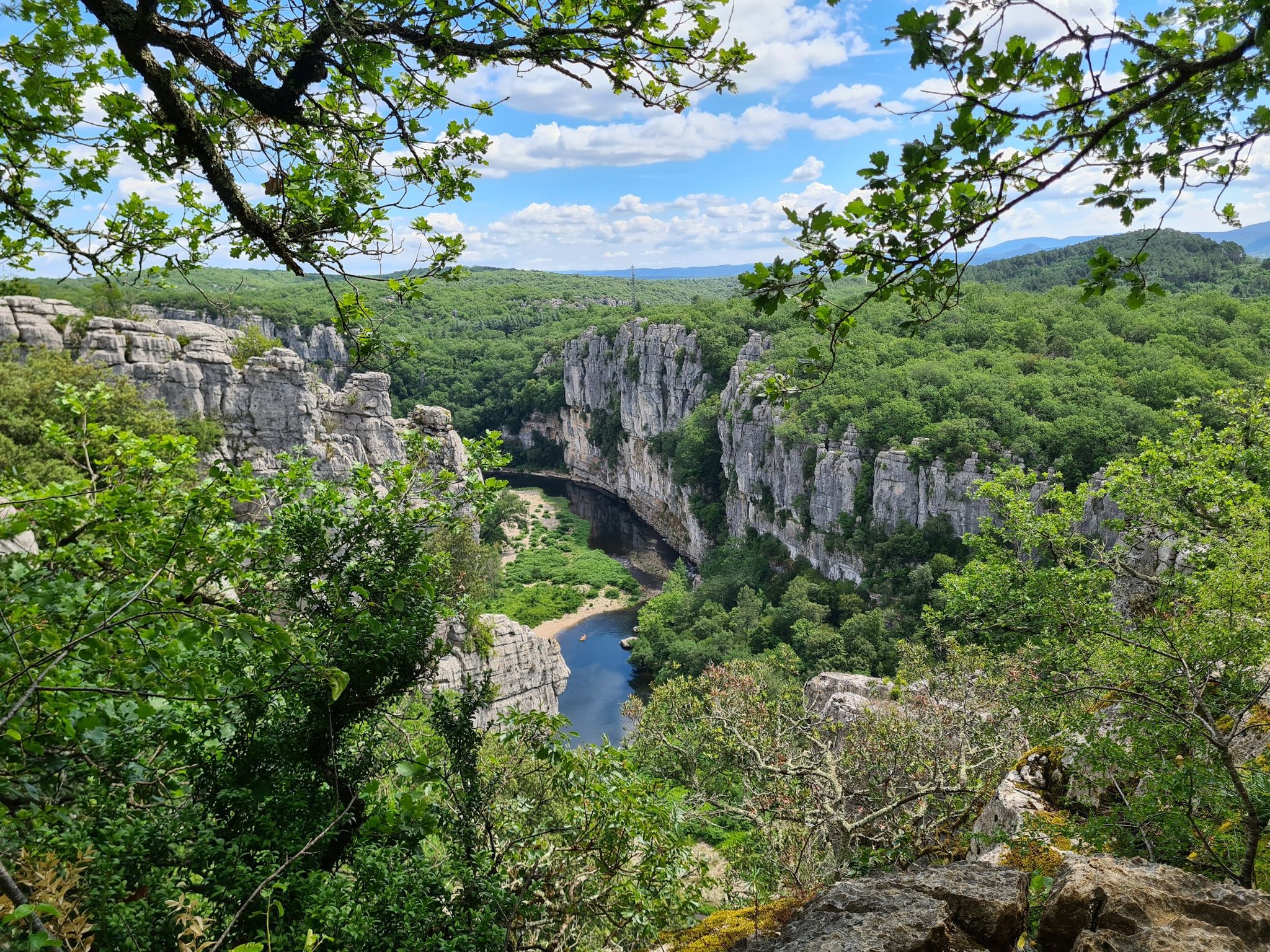
Hexatrek – The Cévennes to the Pyrenees between gorges and limestone plateau
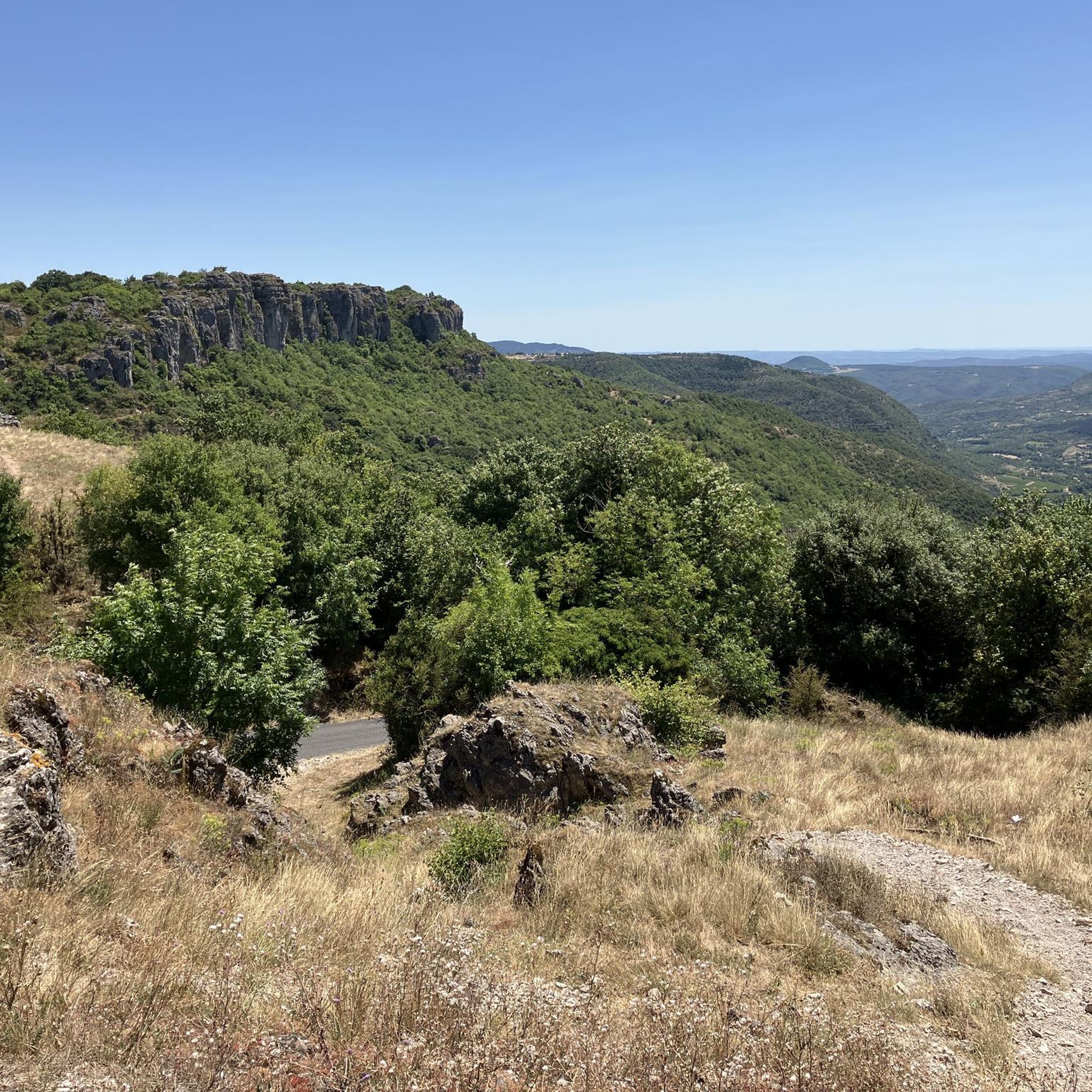
Road Cycling Routes around Saint-Félix-De-L'Héras
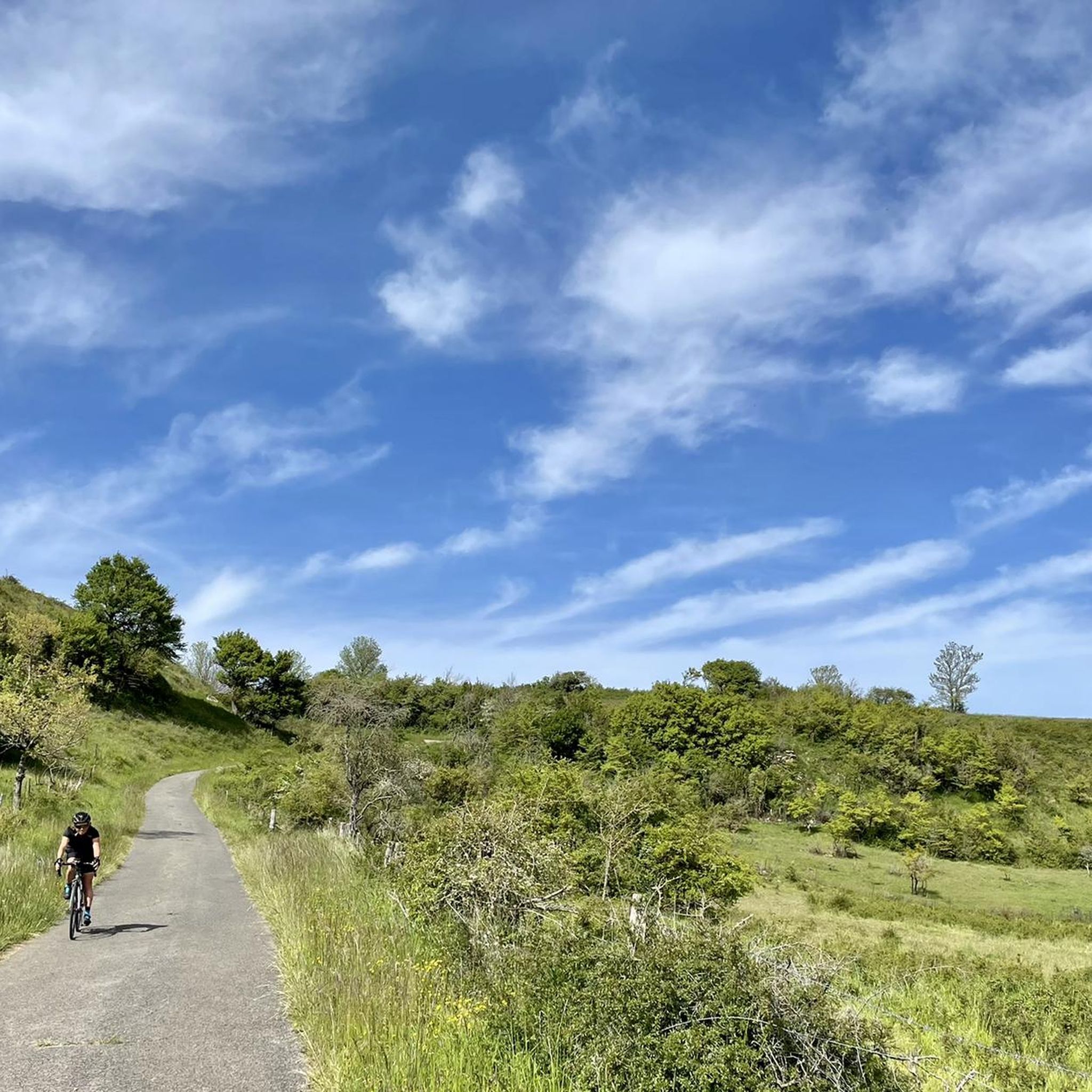
MTB Trails around Saint-Félix-De-L'Héras
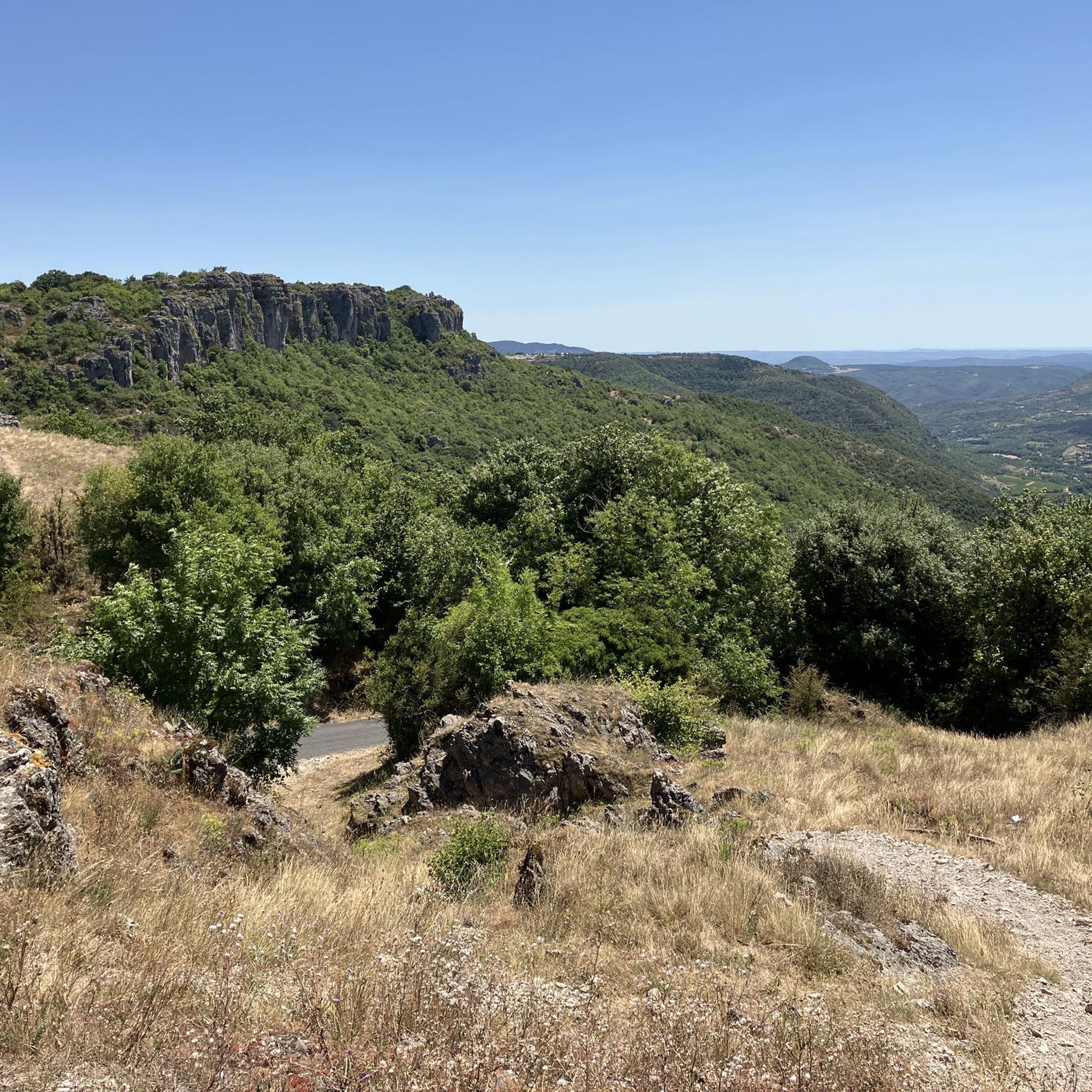
Hiking around Saint-Félix-De-L'Héras
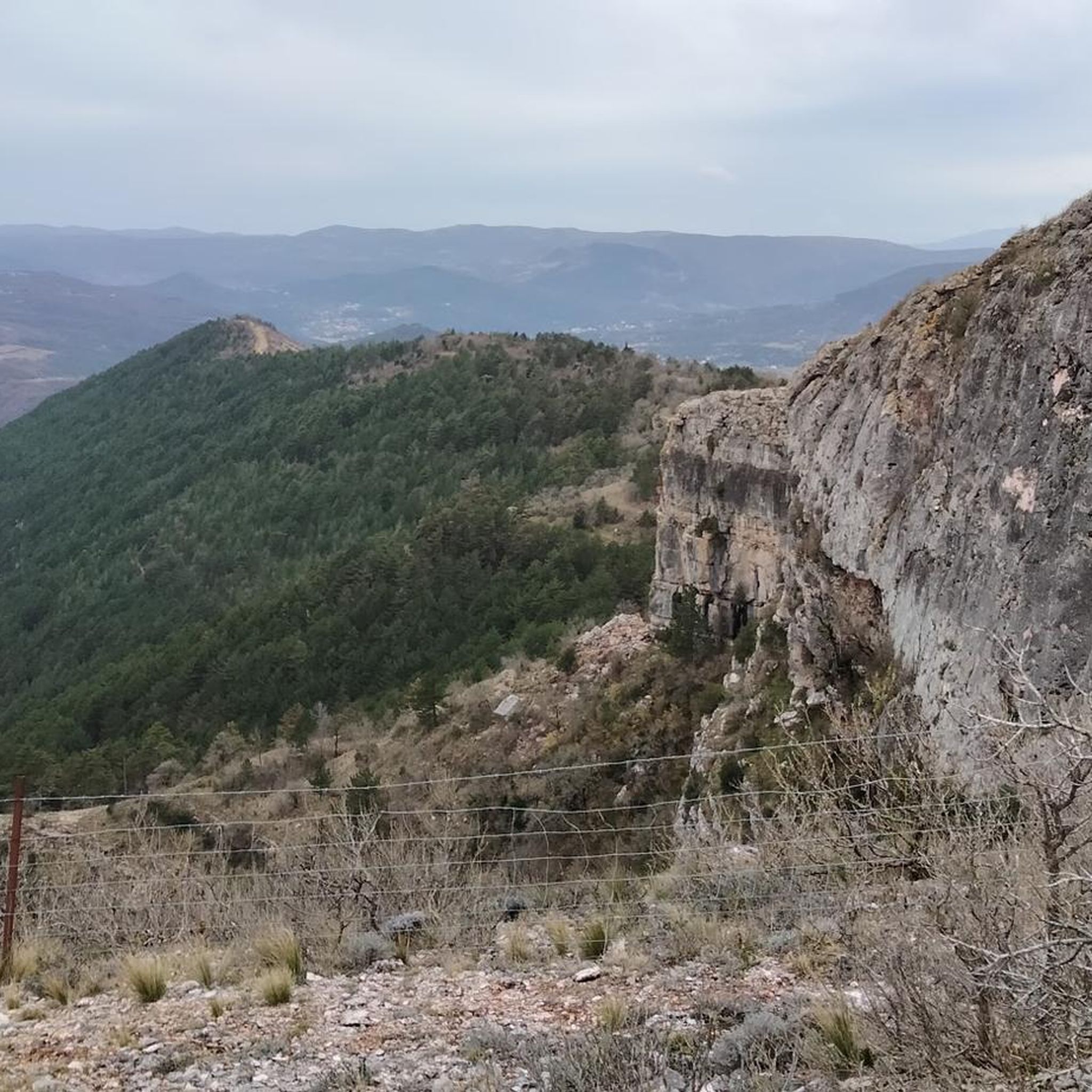
Running Trails around Saint-Félix-De-L'Héras
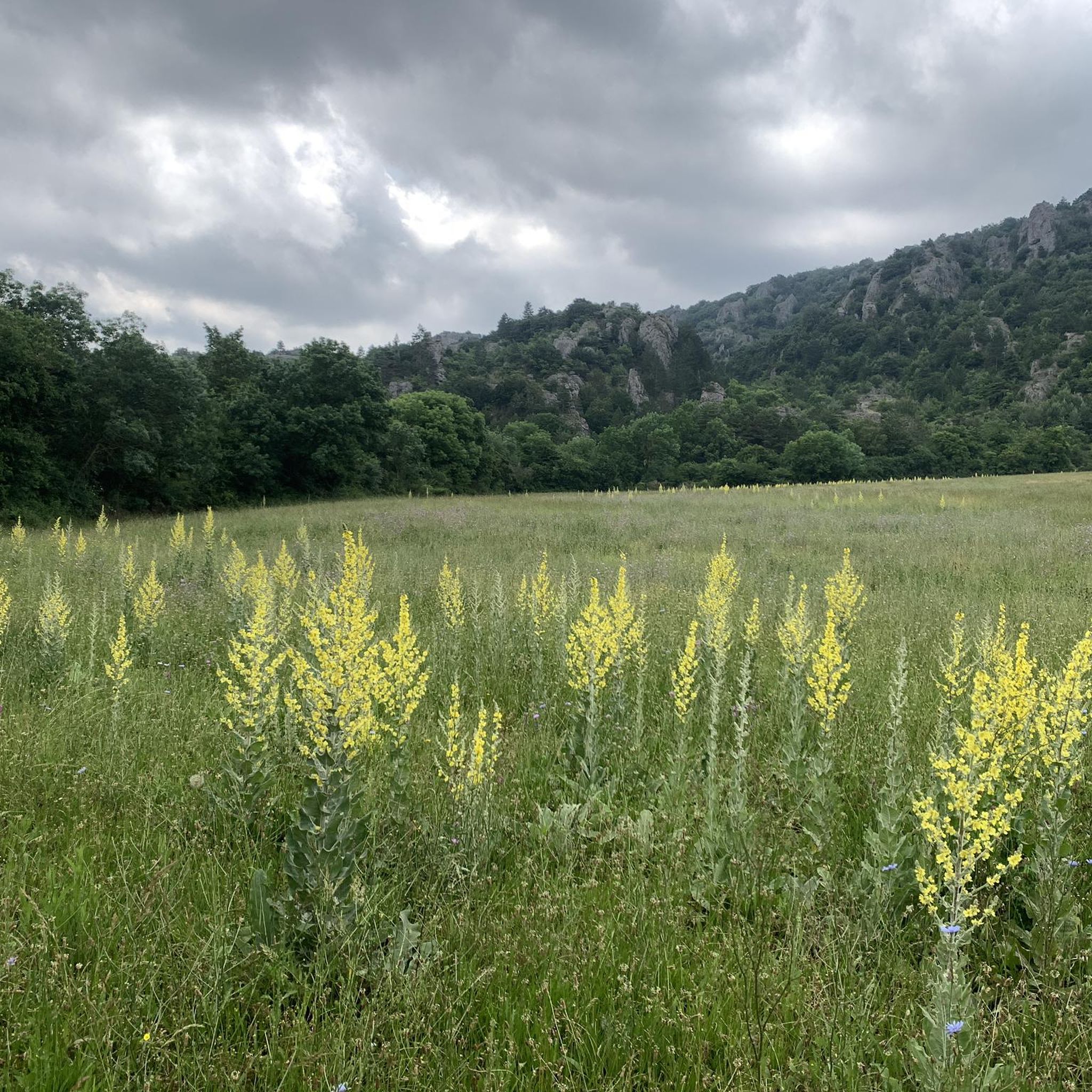
Cycling around Saint-Félix-De-L'Héras

Gravel biking around Saint-Félix-De-L'Héras
Other adventures around Saint-Félix-De-L'Héras

Tips from the Community

Very nice area, mostly shaded path. There are even several small waterfalls when there are many more on the previous days. Be careful, people who are afraid of heights may have difficulty on this trail.
2
0


Long before the discovery of electricity and the associated inventions, our ancestors discovered the possibility of harnessing the power of the elements - which on the one hand were useful, but on the other hand could also be a threat as a force of nature - for various purposes. A suitable example of the human ingenuity of earlier generations is such a mill: the heavy millstones with which, for example, grain was ground into grain or oil was pressed, could be powered with the help of water or - as here - the wind. Hardly any of them still fulfill their original functions today, but fortunately some have at least been preserved as evidence of the old days.
3
0

Placed in the heart of the Larzac plateau, the Cité de La Couvertoirade has the aura of these legendary villages where the tumults of history and the peaceful beauty of a preserved region intermingle. Here, a thousand years of history welcome you. https://lacouvertoirade.com
1
1


very beautiful Templar village still in its own juice
1
0

The Rédounel windmill is one of the first mills on the Larzac causses. It accompanied the agricultural activities of the Templars established in La Couvertoirade from the 12th century. It has been restored and is still in remarkable condition today.
3
0
The old fortified town of La Couvertoirade was an agricultural bastion for the Templars who were well established in Larzac in the 12th century. Cultivation of cereals, breeding of sheep and horses, the environment is conducive to this agricultural activity. It was in the 14th century that the ramparts were built to protect against a group of mercenaries, the Rovers, who pillaged and sacked Larzac.
0
0
Frequently Asked Questions
Are there easy hiking trails suitable for families near Saint-Félix-De-L'Héras?
Yes, the Beautiful forest trail below the Cirque du Bout du Monde offers an easy forest path, suitable for walking with children. Steep sections are equipped with railings, and the path is mostly shaded with small waterfalls.
What kind of natural landscapes can I explore around Saint-Félix-De-L'Héras?
The region is characterized by its location between the Larzac, Campestre, and Blandas causses, featuring the Vis River. You can explore diverse landscapes including forest trails, unique geological formations like the Cirque du Bout du Monde, and riverbanks.
What historical sites can I visit near Saint-Félix-De-L'Héras?
You can visit the Rédounel Mill, one of the first mills on the Larzac causses, which has been restored and is in remarkable condition. Additionally, the medieval village of Le Caylar features the Roc Castel chapel overlooking the village.
Are there any unique villages to explore in the region?
Yes, Vissec is a unique village situated between the Larzac, Campestre, and Blandas causses, along the banks of the Vis River. Another charming medieval village is Le Caylar, known for its cafes, restaurants, and castle ruin.
Where can I see an ancient mill in the area?
The Rédounel Mill is a notable ancient mill near Saint-Félix-De-L'Héras. It's one of the first mills on the Larzac causses, historically linked to the Templars, and has been beautifully restored.
Are there opportunities for cycling or mountain biking in the area?
Yes, the region offers various cycling opportunities. You can find numerous MTB trails, road cycling routes, and touring bicycle routes, ranging from moderate to difficult, allowing you to explore the landscapes around Saint-Félix-De-L'Héras.
What cultural curiosities can I find in the villages?
In the village of Le Caylar, you can discover a stunning century-old elm tree sculpted by Michel Chevray, protected by a huge umbrella, which was given a new lease on life as a work of art in 1989.
What do visitors enjoy most about the attractions around Saint-Félix-De-L'Héras?
Visitors appreciate the diverse experiences, from the mostly shaded paths and small waterfalls of the forest trails to the unique character of villages like Vissec, nestled between the causses. The historical significance of sites like the Rédounel Mill also draws interest.
Can I find cafes or restaurants near the attractions?
Yes, the village of Le Caylar is noted for having cafes and restaurants, making it a good spot for a break while exploring the area's attractions.
Are there any specific tips for hiking the forest trails?
When hiking the Beautiful forest trail below the Cirque du Bout du Monde, be aware that while mostly easy, people afraid of heights may find some sections challenging. Steeply sloping parts are equipped with railings for safety. It's an excellent choice for a shaded walk, especially on warmer days.
What makes the village of Vissec unique?
Vissec is unique due to its geographical position, nestled between the Larzac, Campestre, and Blandas causses, and its location upstream from the Navacelles cirque along the Vis River. It's also known for its connection to local sheep farming, contributing to the famous Roquefort cheese.
Most popular routes around Saint-Félix-De-L'Héras

Get inspired with the komoot mobile app


Explore more
Still not found the Highlight you’re looking for? See guides of the top attractions in other regions:
