Top 20 Mountain Passes around Barèges
Mountain passes around Barèges are situated in the French Pyrénées, a region known for its challenging terrain and significant cycling history. The area features high-altitude passes that connect valleys and offer diverse landscapes. Barèges serves as a base for accessing these routes, which are characterized by their gradients and panoramic views. The region is a destination for those seeking mountain exploration.
Best mountain passes around Barèges
- The most popular mountain passes is Luz-Ardiden, a viewpoint that is one of…
Last updated: July 23, 2026
Luz-Ardiden
Highlight • Viewpoint
Translated by Google •
Tip by

Tourmalet Pass
Highlight • Mountain Pass
Translated by Google •
Tip by
Sign up now to discover places like this
Get recommendations on the best single tracks, peaks, & plenty of other exciting outdoor places.
Sign up for free
Portet Pass
Highlight • Mountain Pass
Translated by Google •
Tip by

Col de Bastanet
Highlight • Mountain Pass
Translated by Google •
Tip by
Voie Fignon
Highlight (Segment) • Trail
Translated by Google •
Tip by

Sign up for free to discover even more mountain passes around Barèges.
Sign up for free
Already have an account?
Start today with a free account
Your next adventure awaits.
Login or Signup
Popular around Barèges
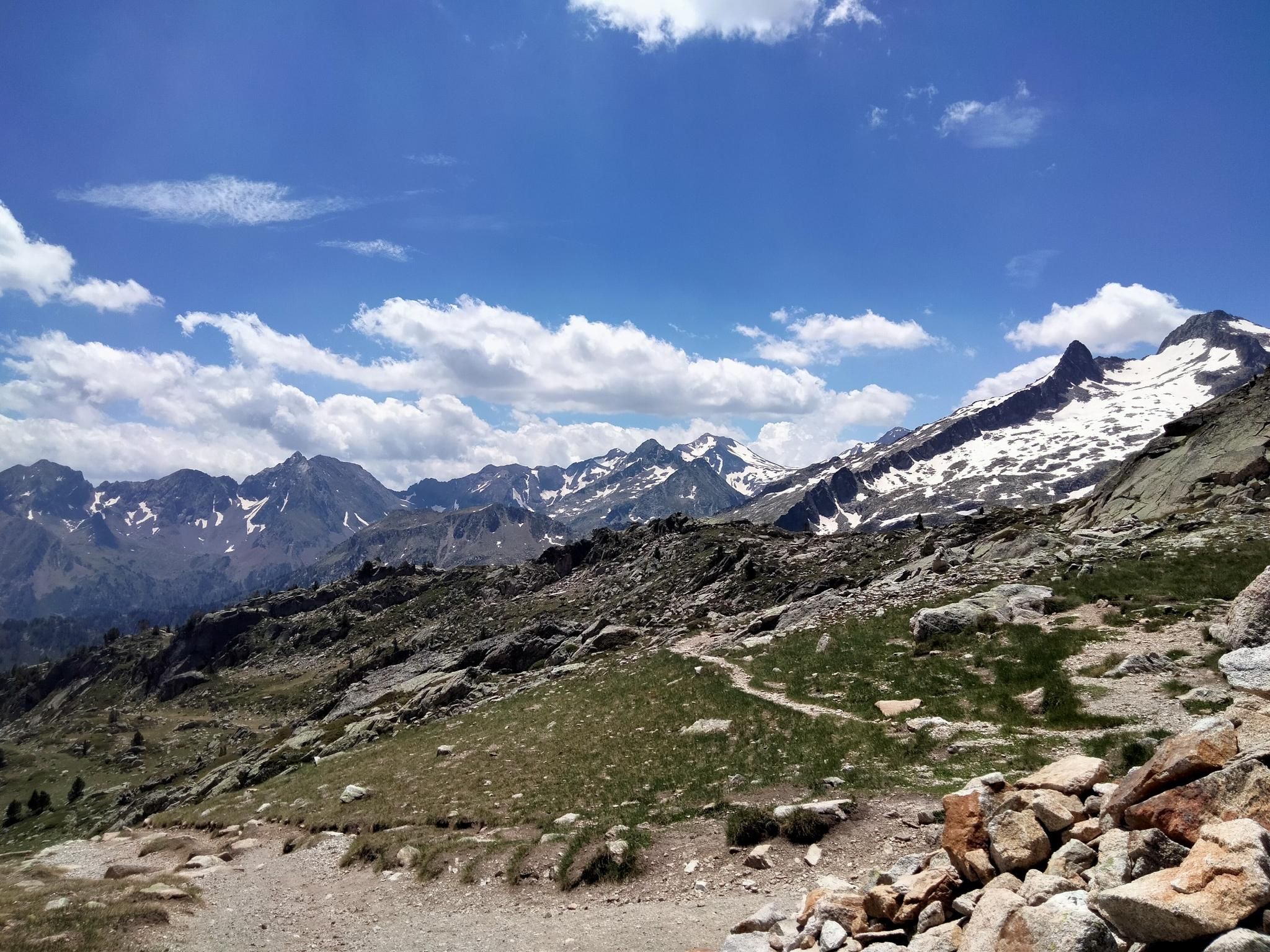
Hexatrek, the western and central Pyrenees – Between mountains and the ocean
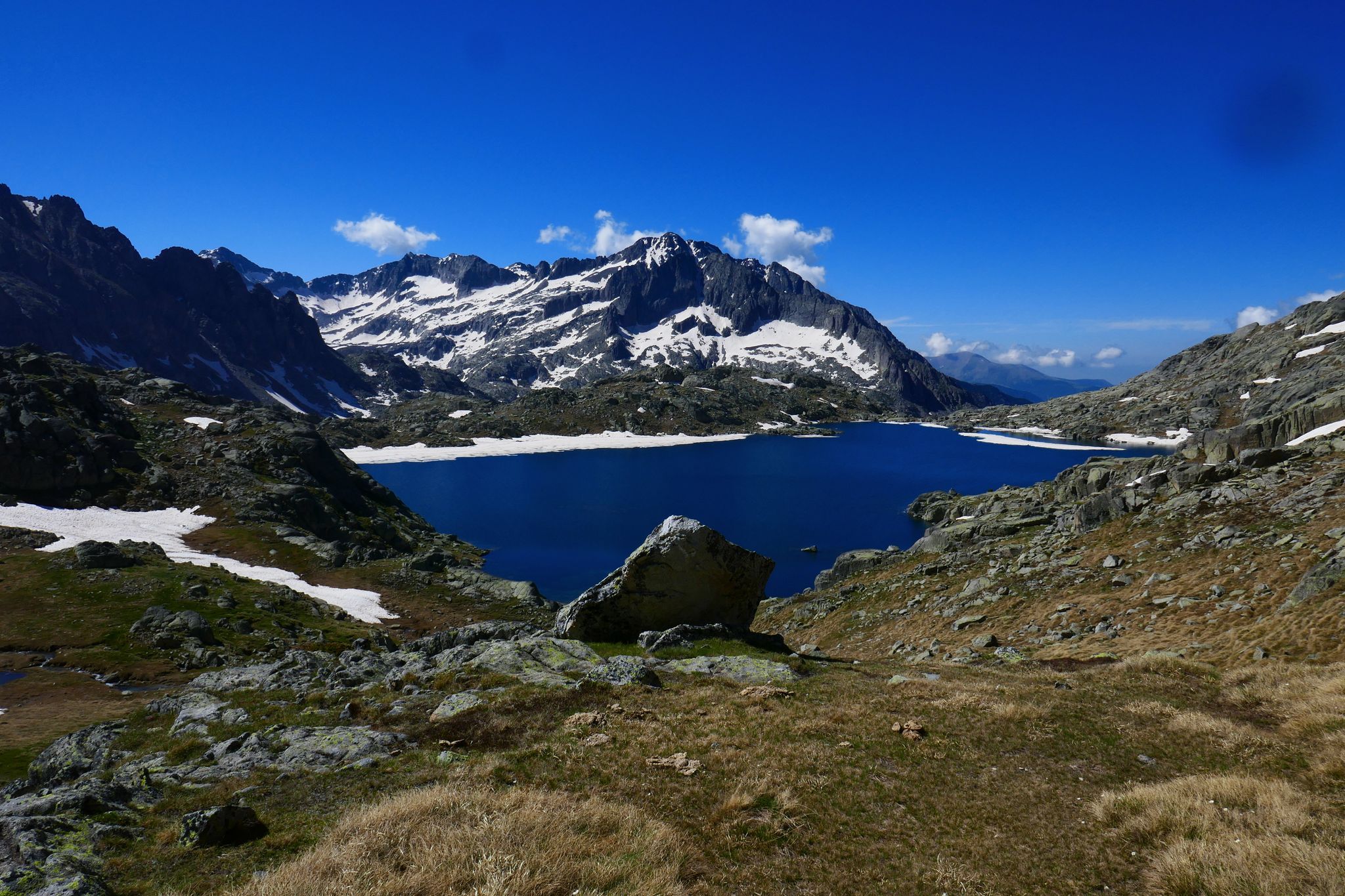
GR 10 – Central Pyrenees crossing the Pyrenees
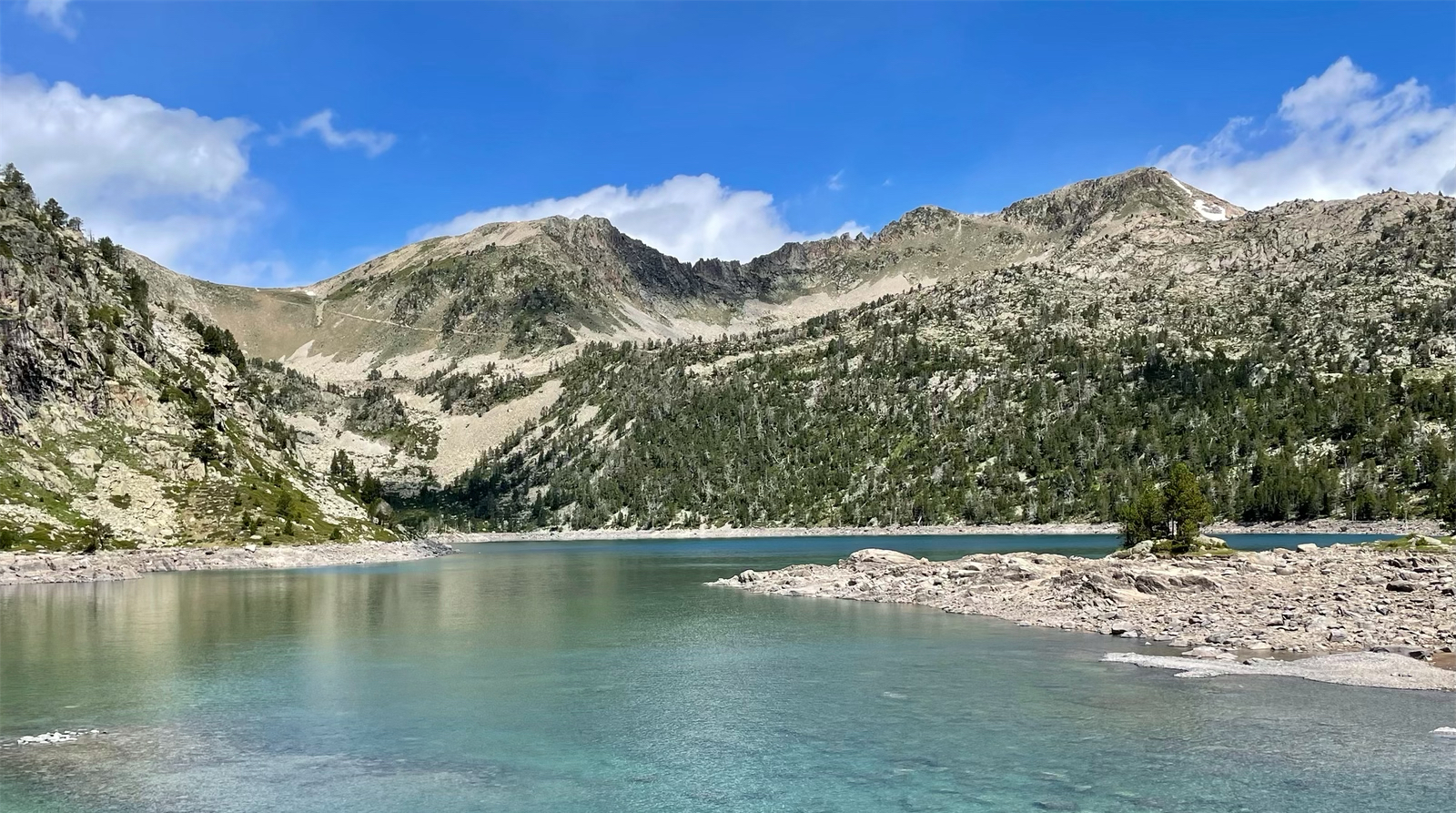
Spectacular landscapes and lakes – hiking in Néouvielle
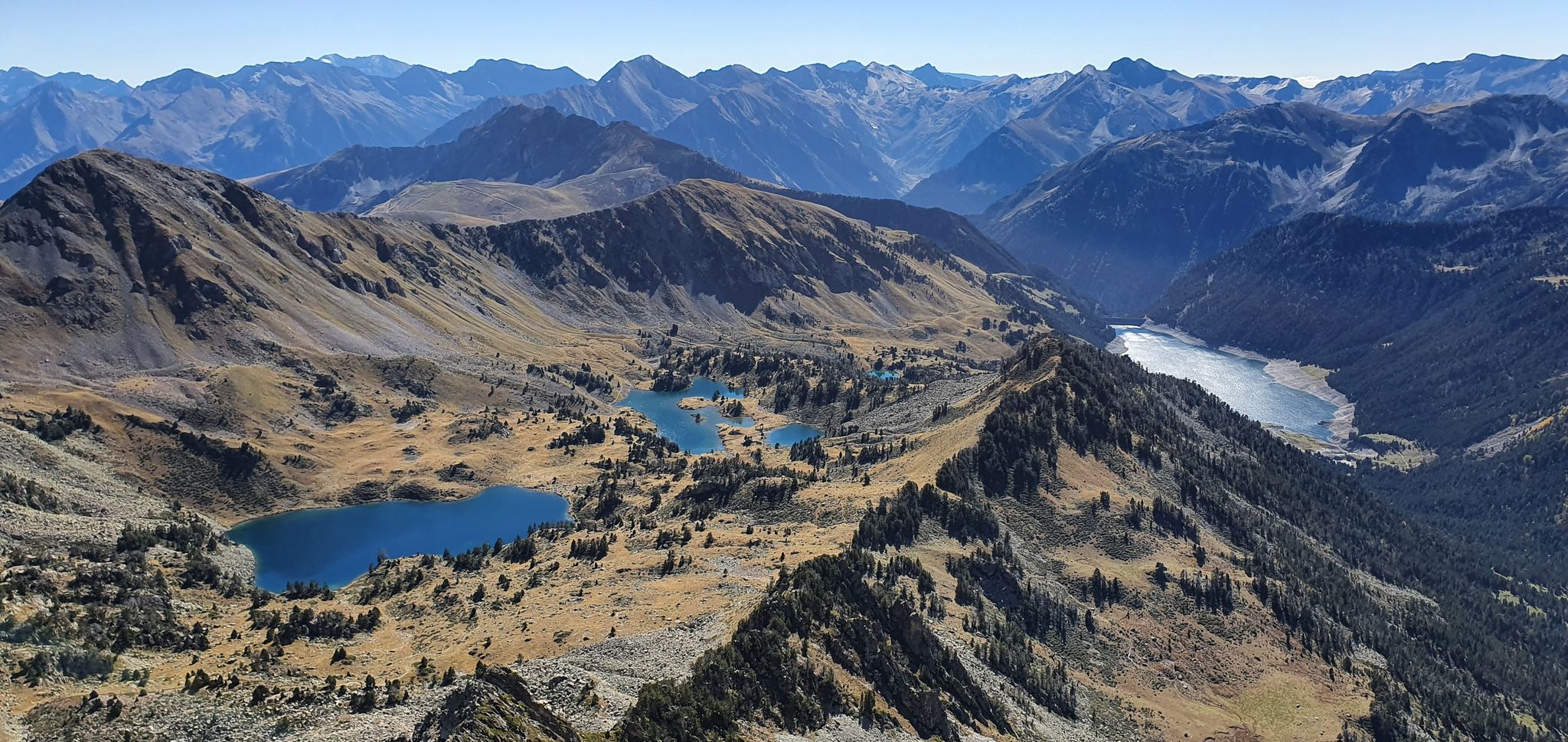
In the land of wonders — explore France’s Néouvielle lakes
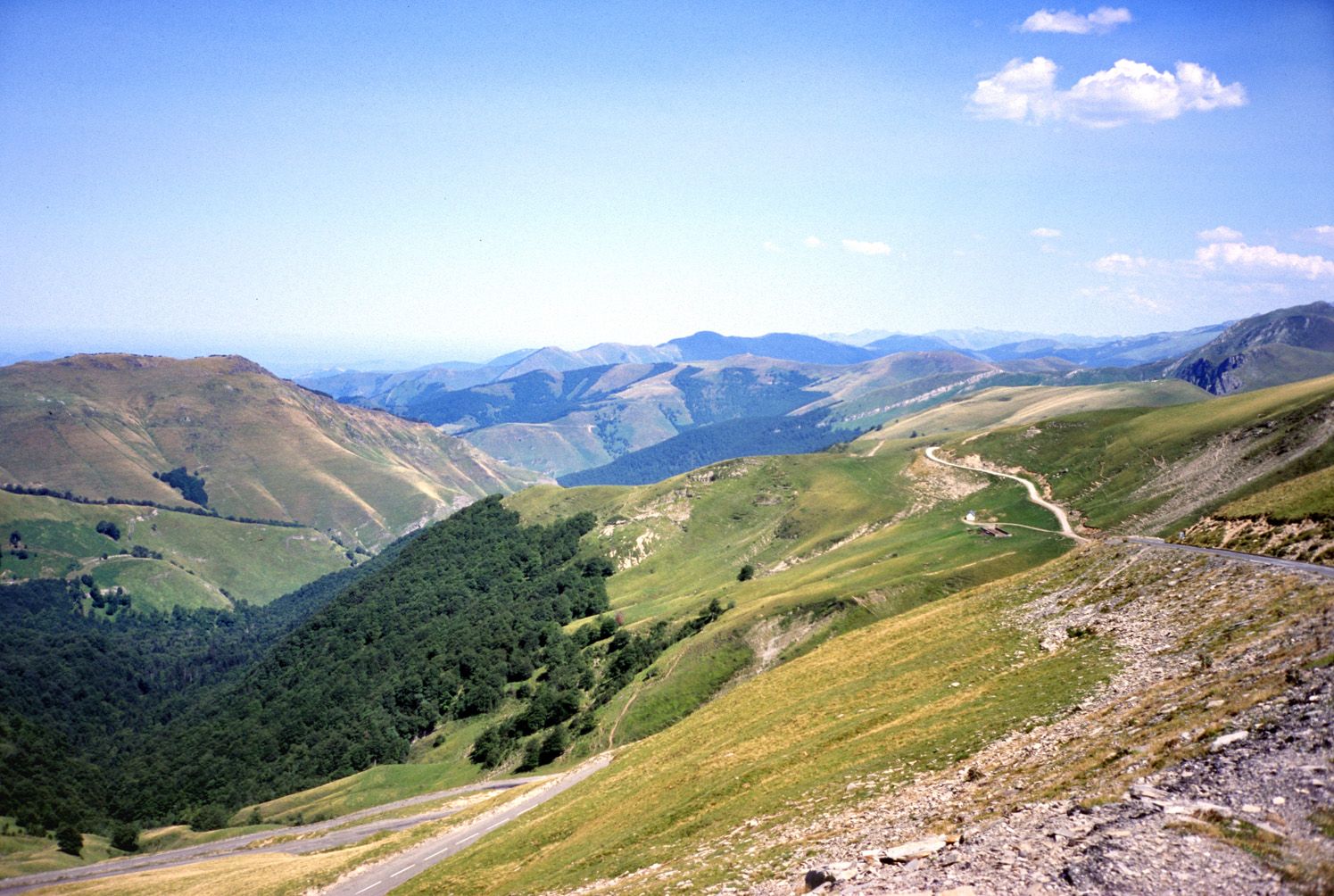
The most beautiful road bike passes of the Pyrenees
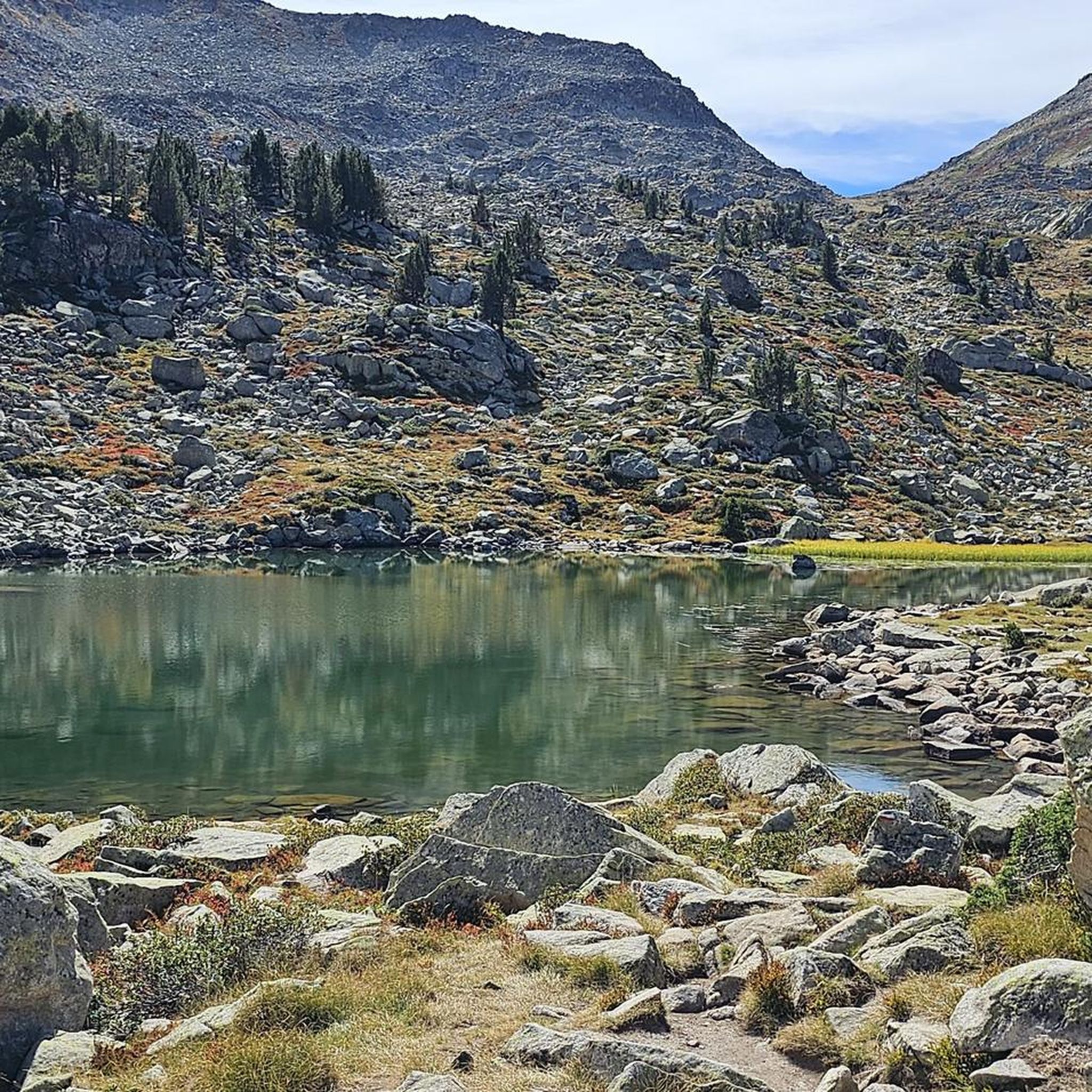
Hiking around Barèges
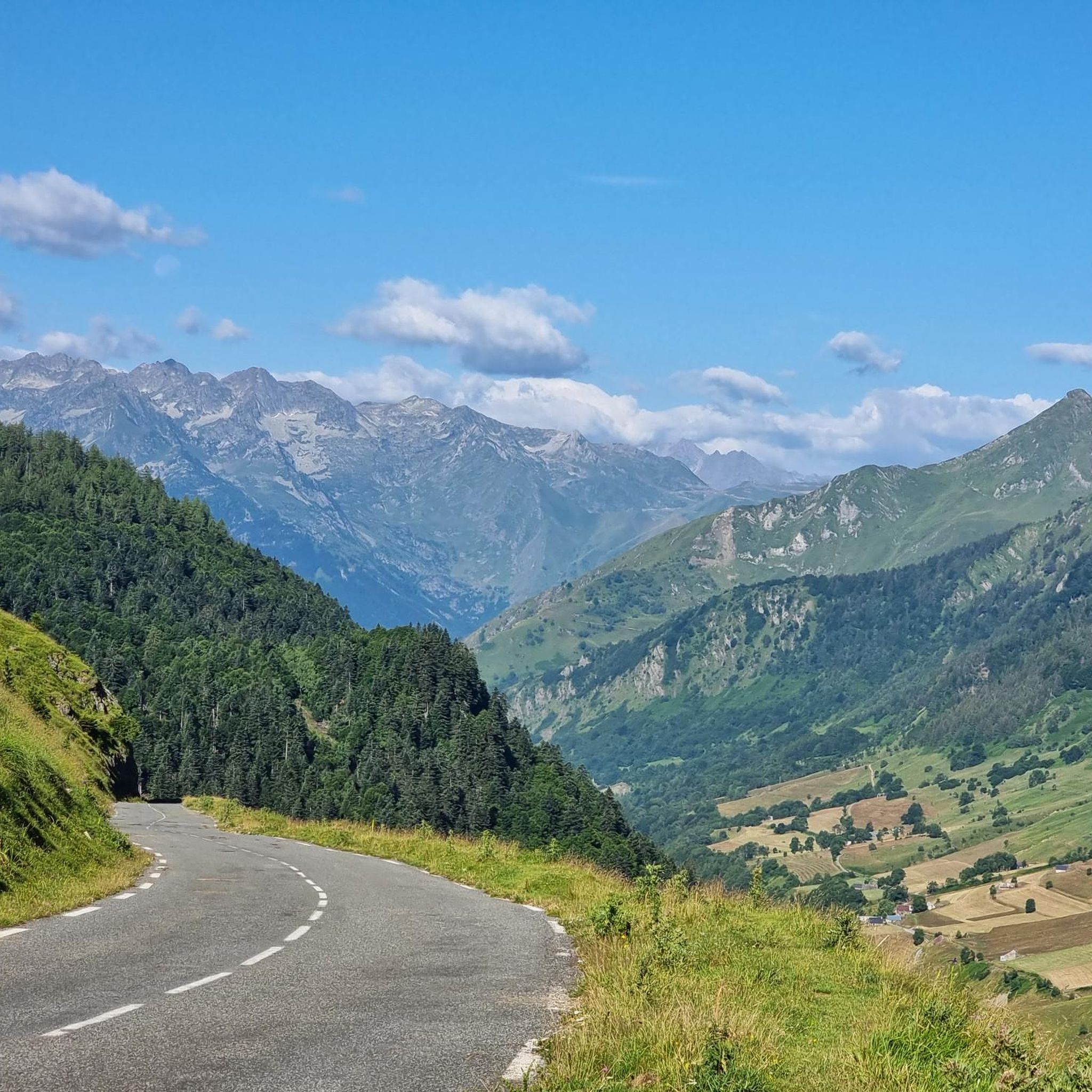
Road Cycling Routes around Barèges
Cycling around Barèges
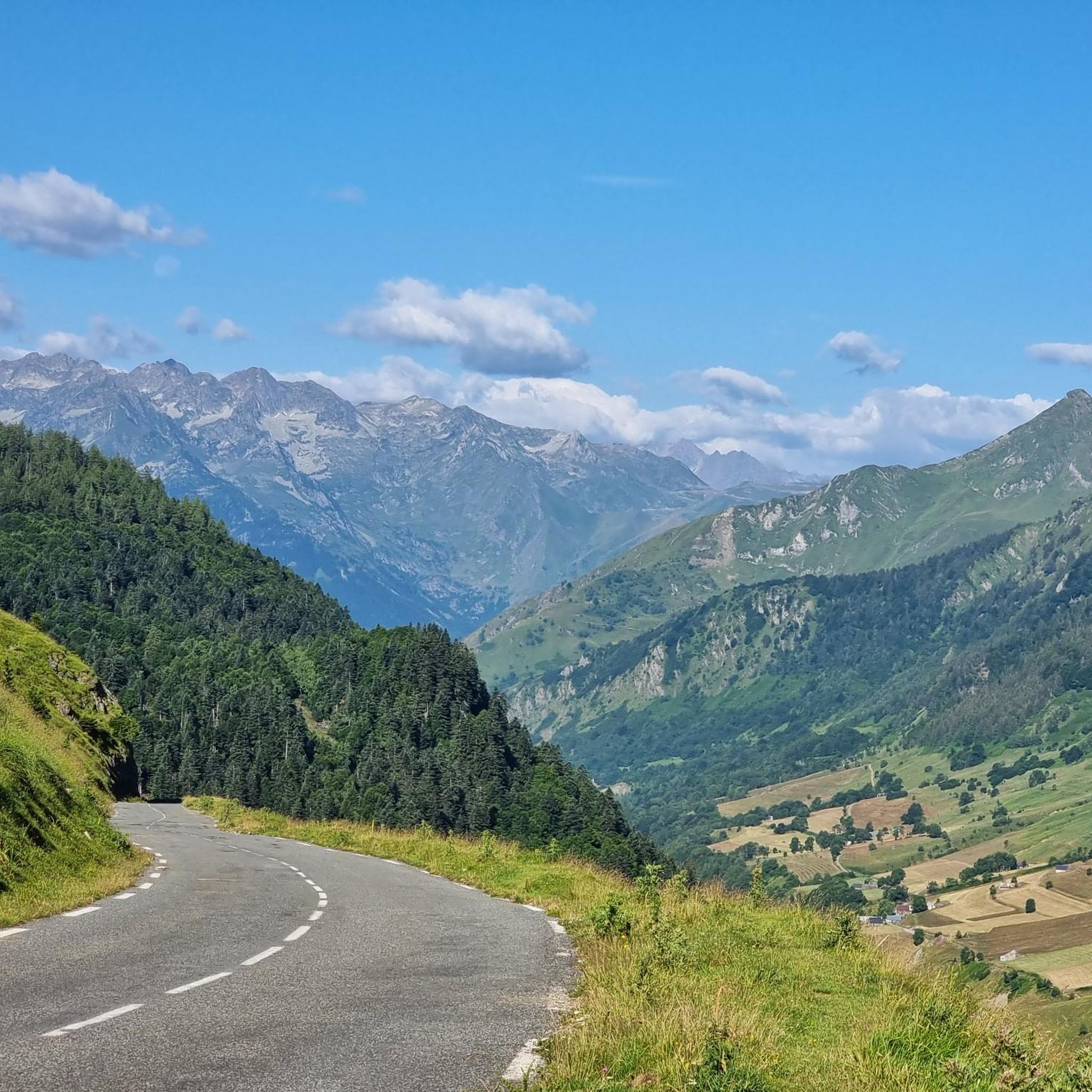
Running Trails around Barèges
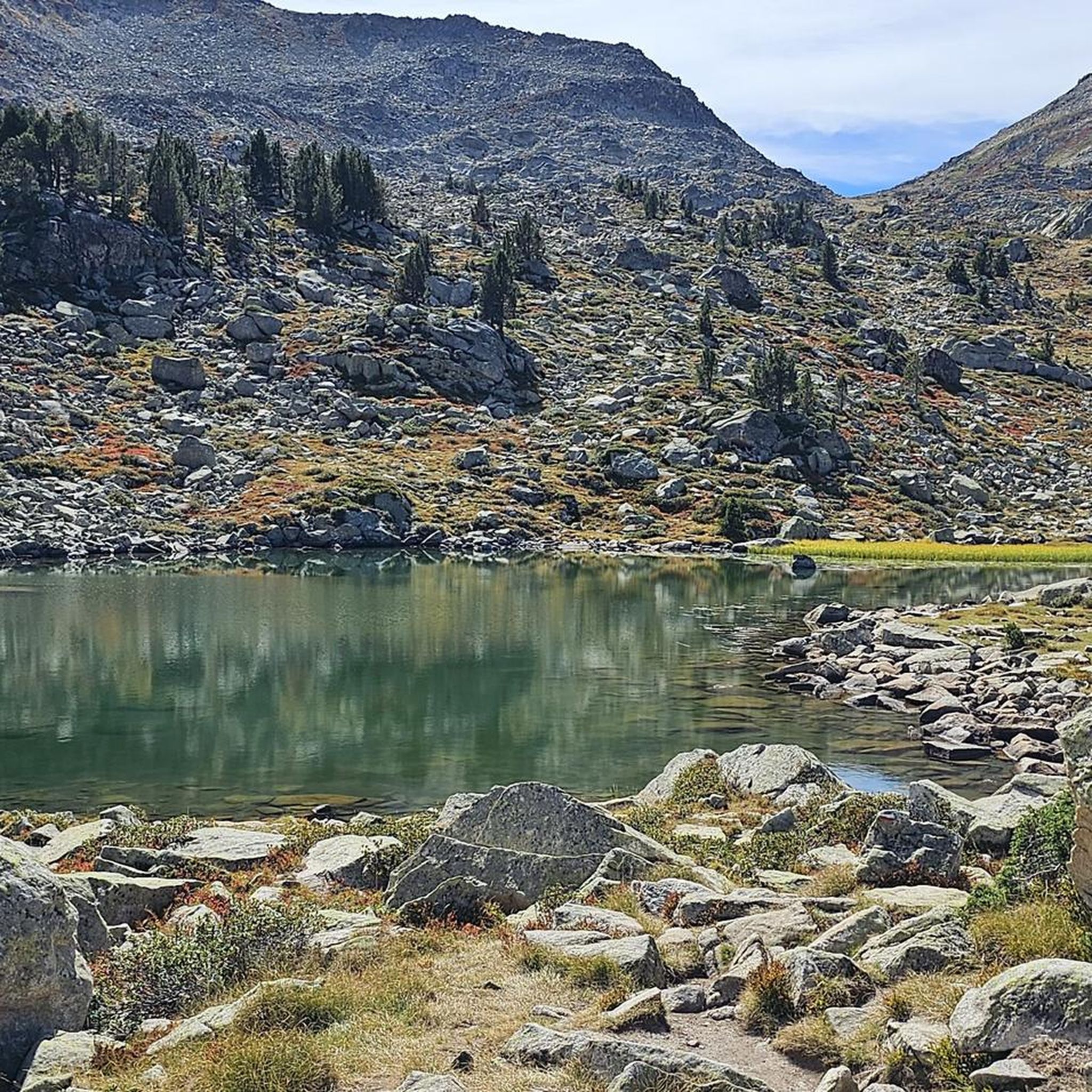
MTB Trails around Barèges
Other adventures around Barèges


Tips from the Community

Very poorly maintained road (stones, dung, etc.) but without any cars. A good alternative for a quiet climb, definitely to be avoided on the descent.
0
0

The road is reserved for bicycles and pedestrians, it's really pleasant, especially with everything else being full of cars... it's a nice break, plus the view is magnificent, we really appreciate it!
0
0

A family-friendly walk with magnificent views of several lakes. The Bastanet Pass and the peak are not far away if you have good footwear.
0
0

Difficult pass at first, especially in the heat. Easier after the first third. Be careful of the unlit tunnel 1 km from the summit. For added peace and quiet, the road leading up to the pass is closed to traffic from 4 p.m. to 6 p.m.
0
0
No cars, no motorcycles. This section of the Tourmalet is very pleasant. The surface is a little rough, but passable.
0
0

Uncleaned road, lots of stones and gravel + dirt. Possibly take it on the way up if you are fed up with cars on the main road, but otherwise stay on the main road. On the way down, there is no question: don't take this road!
1
0

mythical and EPIC port of the Pyrenees. It is the highest 2115mts
2
0

Ideal for a quiet climb. However, when going downhill it is better to stay on the main road to enjoy a safer surface.
1
0
Frequently Asked Questions
What are some of the most iconic mountain passes near Barèges?
Barèges is an excellent base for exploring several iconic mountain passes. The Tourmalet Pass is legendary, known for its frequent inclusion in the Tour de France and its challenging ascent. Another significant pass is the Col d'Aspin, offering picturesque scenery and a more accessible cycling challenge. For a quieter experience, the Col des Palomières provides gentle routes in the Pyrenean foothills.
What is the best time of year to visit the mountain passes around Barèges?
The best time to visit the mountain passes around Barèges for cycling and hiking is typically from early June to late October. Many high-altitude passes, such as the Col du Tourmalet, are closed during winter, usually from early December to early June, due to snow. Summer and early autumn offer the most favorable weather conditions for outdoor activities.
Are there challenging cycling routes available on the mountain passes near Barèges?
Yes, the region around Barèges is famous for its challenging cycling routes. The Tourmalet Pass is a legendary climb, with an ascent from Luz Saint Sauveur being 18.9 km long with a 1,403-meter vertical gain and an average 7.4% gradient. The Portet Pass is also considered one of the most difficult in the Pyrenees, culminating at 2,215 meters above sea level with very hard percentages.
What kind of natural scenery can I expect to see on these mountain passes?
The mountain passes around Barèges offer spectacular natural scenery. You can expect panoramic views of the Pyrenean landscape, especially from high points like the Tourmalet Pass, which is dominated by the Pic du Midi de Bigorre. The Col d'Aspin is known for its picturesque scenery with forests and pastures. Many routes also feature diverse landscapes, from open mountain vistas to lush valleys.
Are there family-friendly options for exploring the mountain passes?
While many passes offer challenging climbs, there are also more accessible options. The Col d'Aspin, for instance, has less extreme gradients, making it suitable for a wider range of cyclists and families looking for scenic drives or leisurely cycling. For hiking, the Col des Palomières offers gentler routes and a quieter environment away from the busier climbs, which can be more enjoyable for families.
What outdoor activities can I do near the mountain passes around Barèges?
Beyond cycling, the area around Barèges offers a wealth of outdoor activities. You can find numerous mountain hikes, such as the 'Col de Sencours loop from Col du Tourmalet' or the 'Lac Dets Coubous – Col de Madamète loop'. There are also dedicated MTB trails, including the 'Col du Tourmalet – Tourmalet Pass loop', and running trails like the 'Gaubie Valley loop'. For more details on these activities, explore the Mountain Hikes around Barèges, MTB Trails around Barèges, and Running Trails around Barèges guides.
Are there any historical or cultural aspects to the mountain passes in this region?
Absolutely. The mountain passes near Barèges are steeped in history, particularly within the world of cycling. The Tourmalet Pass is arguably the most famous, having been featured most often in the history of the Tour de France since its first inclusion in 1910. Many cyclists visit to experience this rich heritage and test themselves on these iconic climbs.
Can I find viewpoints with panoramic vistas on these passes?
Yes, many mountain passes around Barèges offer incredible panoramic viewpoints. The summit of the Tourmalet Pass provides expansive views of the surrounding Pyrenean landscape. Similarly, Luz-Ardiden is described as one of the most beautiful climbs in the Pyrenees, rewarding the effort of ascent with breathtaking views.
What makes the Col du Tourmalet so special for cyclists?
The Col du Tourmalet is special for its legendary status in the Tour de France, being the most frequently featured climb. It's a true cyclist's climb, steeped in history, offering a long and challenging ascent (19 km from Luz-Saint-Sauveur) with an average gradient of 7.4%. The effort is rewarded with exceptional views, making it a must-do for cycling enthusiasts.
Are there any less-trafficked mountain passes for a quieter experience?
For those seeking a quieter experience away from the more famous climbs, the Col des Palomières is an excellent choice. It's a smaller, lower-altitude pass (810 meters) with less-trafficked roads, offering a serene environment for cycling or hiking. It serves as a peaceful entry point into the Baronnies Pyrénéennes region.
What is the highest pass in the Pyrenees accessible by road near Barèges?
The Portet Pass, culminating at 2,215 meters above sea level, is the highest pass in the Pyrenees taken by a road. It offers a superb climb and a magnificent panorama of the valley, making it a truly rewarding experience for those who tackle its challenging percentages.
Are there any specific regulations for dogs on trails near Barèges mountain passes?
While specific regulations for dogs can vary, it's important to be aware that the Pyrenees National Park and the Néouvielle Nature Reserve, which are close to Barèges, have strict rules regarding dogs, often requiring them to be on a leash or prohibiting them in certain areas to protect wildlife. Always check local signage or official park websites for the most current regulations before heading out with your dog.
What are the characteristics of the Ascent of the Col de Tentes from Luz-Saint-Sauveur?
The Ascent of the Col de Tentes from Luz-Saint-Sauveur via the Cirque de Gavarnie is a challenging climb, especially due to its length (29.9 km) and the steepness of its last 10 km. The first 19 km to Gavarnie are relatively gentle, crossing picturesque landscapes. However, after Gavarnie, the real climb begins with gradients exceeding 10% and reaching an altitude of 2,200 meters, making it one of the hardest climbs in the Pyrenees.
Most popular attractions around Barèges

Get inspired with the komoot mobile app


Explore more
See even more epic mountain passes by checking out these guides around Barèges:
