Attractions and Places To See around Barst - Top 20
Best attractions and places to see around Barst, located in the Moselle department of the Grand Est region in France, offer a variety of historical and natural points of interest. This region is characterized by its historical significance, including World War II memorials and ancient religious sites. Visitors can also explore natural features such as tranquil ponds and scenic landscapes. Barst presents a diverse range of places to discover for those interested in history and nature.
Best attractions and places…
Last updated: May 5, 2026
Farébersviller Memorial and Stone Bridge
Highlight • Monument
Translated by Google •
Tip by

Lower Hoste Pond
Highlight • Lake
Translated by Google •
Tip by

Sign up now to discover places like this
Get recommendations on the best single tracks, peaks, & plenty of other exciting outdoor places.
Sign up for free
Lorraine American Cemetery and Memorial
Highlight • Historical Site
Translated by Google •
Tip by

Bonne Fontaine Chapel and Spring of Hoste
Highlight • Religious Site
Translated by Google •
Tip by

Saint-Nabor Abbey Church of Saint-Avold
Highlight • Religious Site
Translated by Google •
Tip by

Sign up for free to discover even more attractions around Barst.
Sign up for free
Already have an account?
Start today with a free account
Your next adventure awaits.
Login or Signup


Tips from the Community

A beautiful US Army military cemetery. One of many worldwide, but this one dates back to World War II.
0
0

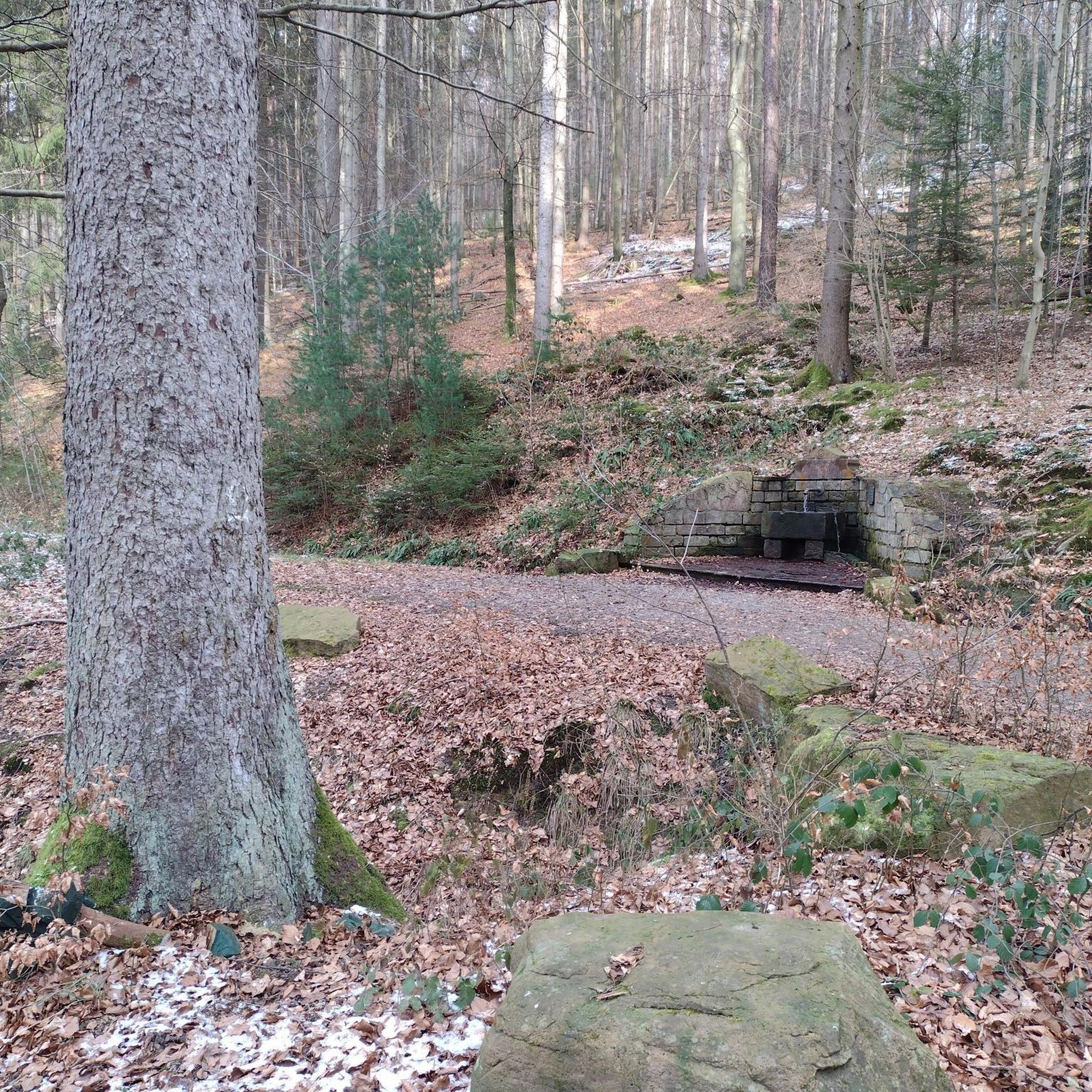
The history of the picturesque Bonne Fontaine chapel in Hoste began in 1799, when a Marian apparition occurred near a spring, in front of a deaf-mute child, who was cured. Other stories of healing quickly appeared and large pilgrimages were organized, in the context of the French Revolution, which did not appreciate these crowd movements. In 1848, a Calvary was erected, then the spring was developed. Finally, at the dawn of the First World War, the chapel was erected to receive the religious fervor aroused by this place steeped in both belief and legend.
1
0

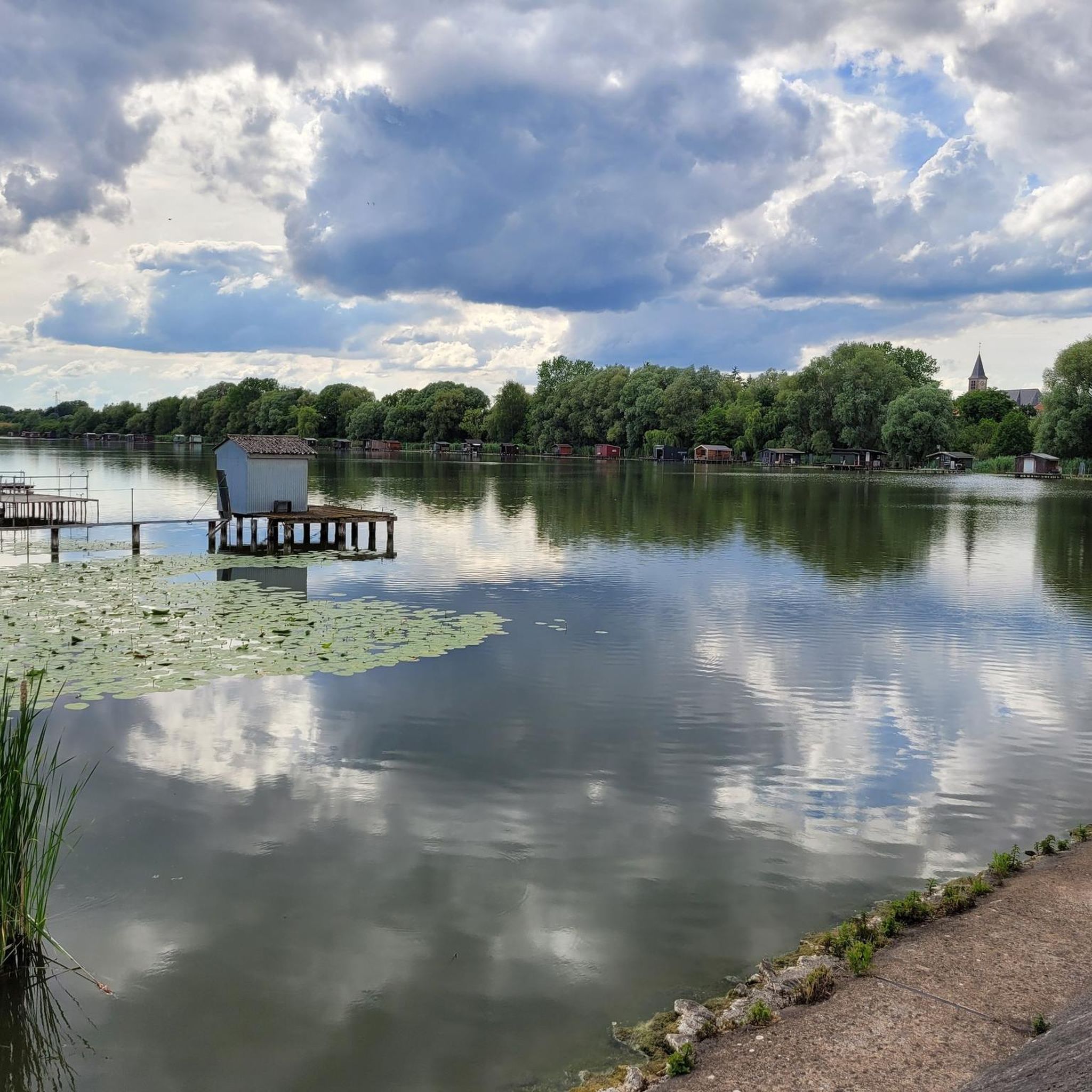
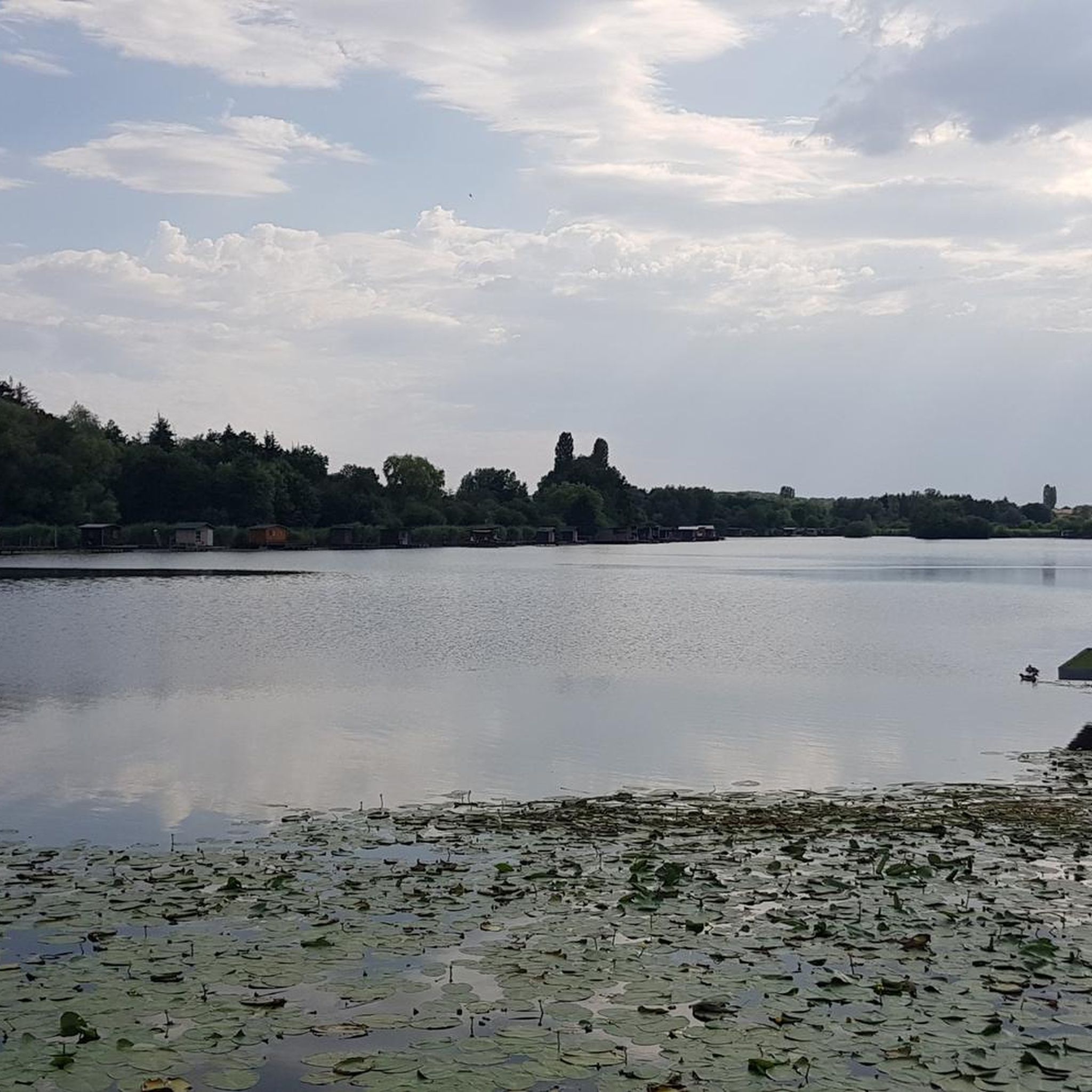
The Hoste Bas pond borders the Hoste Haut pond. It was part of the Maginot Line defense system. Today, they are home to numerous species of fish, much to the delight of anglers.
0
1

Farébersviller (German: Pfarrebersweiler) is a French commune with 5,316 inhabitants (1 January 2021) in the Moselle department in the Grand Est region (until 2015 Lorraine). It belongs to the arrondissement of Forbach-Boulay-Moselle, the canton of Freyming-Merlebach and the Freyming-Merlebach municipal association founded in 2001. Pfarrebersweiler belonged to the Duchy of Lorraine since 1581, which fell to France according to a treaty after the death of Stanislaus I on 23 February 1766. From 1871, following the defeat in the Franco-Prussian War, Pfarrebersweiler was part of the Imperial Territory of Alsace-Lorraine within the German Empire. After losing the First World War, the German Empire had to cede Alsace-Lorraine to France again under the terms of the Treaty of Versailles. After a further 22 years, German troops marched into the town again. Thus, Farébersviller, now Pfarrebersweiler again, was effectively annexed like the rest of Alsace-Lorraine. The town returned to France in 1944 and was given its French name again.
1
0
For me, the city of St. Avold had few special sights, but you should visit this church 👍
0
0

The monastery church of Saint Nabor originally dates back to the 8th century. There used to be a Benedictine abbey here. The church has a rich interior with stone reliefs and the Holy Sepulcher from the 16th century. It has been a listed building since 1930.
1
0
The monastery church of St. Narbor originally dates back to the 8th century. The church has a rich interior with stone reliefs and the Holy Sepulcher from the 16th century. A Benedictine abbey used to be located here.
1
0
The monastery church of St. Nabor originally dates back to the 8th century. There used to be a Benedictine abbey here. The church has a rich interior with stone reliefs and the Holy Sepulcher from the 16th century. It has been a listed building since 1930.
1
0
Frequently Asked Questions
What historical sites can I visit around Barst?
The region around Barst is rich in history. You can explore the Farébersviller Memorial and Stone Bridge, which reflects the area's complex past and changes in sovereignty between France and Germany. Another significant historical site is the Bonne Fontaine Chapel and Spring of Hoste, with a history dating back to 1799 and stories of healing.
Are there any significant war memorials near Barst?
Yes, a very significant site is the Lorraine American Cemetery and Memorial. It is the largest World War II American Soldier Cemetery in Europe, with over 10,500 tombstones, offering a profound experience for reflection on the sacrifices made for freedom.
What religious landmarks are there to explore?
You can visit the Bonne Fontaine Chapel and Spring of Hoste, a picturesque chapel with a history of Marian apparitions and healing stories. Another notable religious site is the Saint-Nabor Abbey Church of Saint-Avold, which dates back to the 8th century and features a rich interior with stone reliefs and a 16th-century Holy Sepulcher.
Where can I find natural beauty spots around Barst?
For natural beauty, the Lower Hoste Pond offers a tranquil setting surrounded by small fishing huts, perfect for lingering and enjoying the peaceful environment. The region generally features scenic landscapes and tranquil ponds, providing diverse natural features to explore.
Are there opportunities for hiking or walking near Barst's attractions?
Yes, the area around Barst offers various routes for walking and running. You can find several moderate running loops, such as the "Bank loop from Henriville" or loops around the Lower Hoste Pond. For more options, explore the Running Trails around Barst guide.
What cycling routes are available around Barst?
Cyclists can enjoy several road cycling routes, including easy to moderate loops like the "Diefenbach Pond – Lower Hoste Pond loop" or longer rides such as "Along the Saar – Start of the Canal de la Sarre loop." Discover more options in the Road Cycling Routes around Barst guide.
Can I go mountain biking near Barst?
Absolutely. There are mountain biking trails available, including moderate loops like the "Lower Hoste Pond – Farschviller Pond loop" or the "The Maginot Fort at Barst – Lower Hoste Pond loop." For a comprehensive list of trails, check out the MTB Trails around Barst guide.
Are there family-friendly attractions in the Barst area?
Many attractions around Barst are suitable for families. The Lower Hoste Pond is a pleasant spot for families to relax. Historical sites like the Lorraine American Cemetery and Memorial and the Bonne Fontaine Chapel and Spring of Hoste also welcome families, offering educational and reflective experiences.
What do visitors particularly enjoy about the attractions around Barst?
Visitors appreciate the tranquil and peaceful atmosphere, especially at places like the Lower Hoste Pond. The historical sites, such as the Lorraine American Cemetery and Memorial, are highly valued for their profound historical significance and the opportunity for reflection. The blend of history and nature is a common highlight.
Is Barst accessible for visitors with mobility challenges?
The Farébersviller Memorial and Stone Bridge is noted as wheelchair accessible, making it a suitable option for visitors with mobility challenges. It's always recommended to check specific accessibility details for other sites before visiting.
When is the best time to visit the attractions around Barst?
The region's attractions, including its natural features and historical sites, can be enjoyed throughout much of the year. Spring and autumn generally offer pleasant weather for exploring outdoors and visiting memorials. Summer is also suitable, though it can be warmer. Winter visits might be quieter, especially for indoor attractions.
Are there any less crowded attractions to visit around Barst?
While popular sites like the Lower Hoste Pond are well-loved, they often maintain a peaceful atmosphere due to their natural setting. Exploring some of the smaller historical markers or religious buildings, such as the Saint-Nabor Abbey Church of Saint-Avold, during off-peak hours can also provide a more serene experience.
Most popular attractions around Barst

Get inspired with the komoot mobile app


Explore more
Still not found the Highlight you’re looking for? See guides of the top attractions in other regions:
