Attractions and Places To See around Marseillette - Top 20
Best attractions and places to see around Marseillette include the historic Canal du Midi and its associated engineering works, alongside unique agricultural landscapes. This tranquil village in the Aude Valley serves as a base for exploring historical, cultural, and natural sites within the Occitanie region. The area features a diverse ecosystem, including rice fields, and is part of the extensive Languedoc wine region.
Best attractions and places to see around Marseillette
- The most popular attractions is Canal du Midi Bridge, a bridge that represents a rare intersection of channels and valleys. The Canal du Midi itself is recognized as a technical masterpiece.
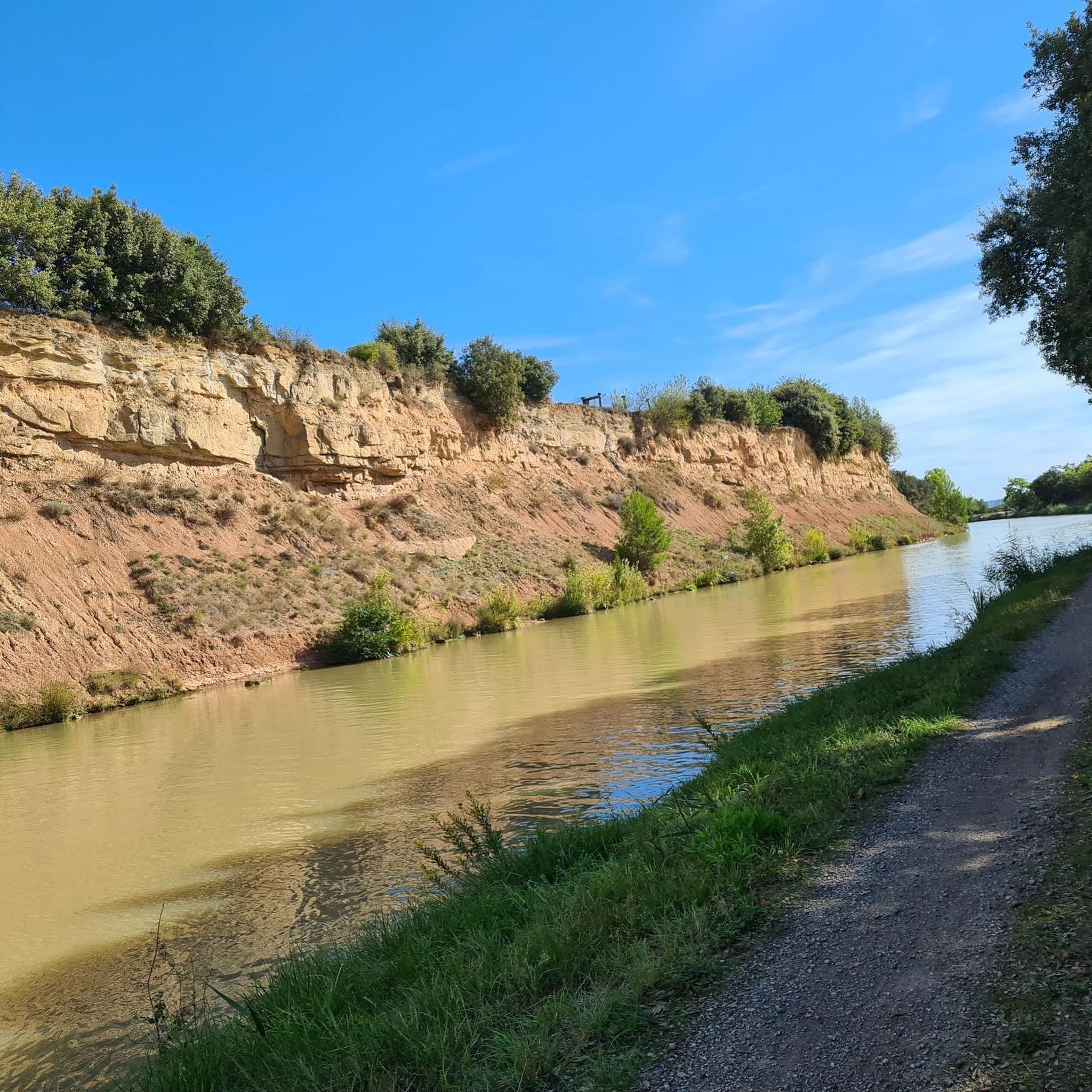
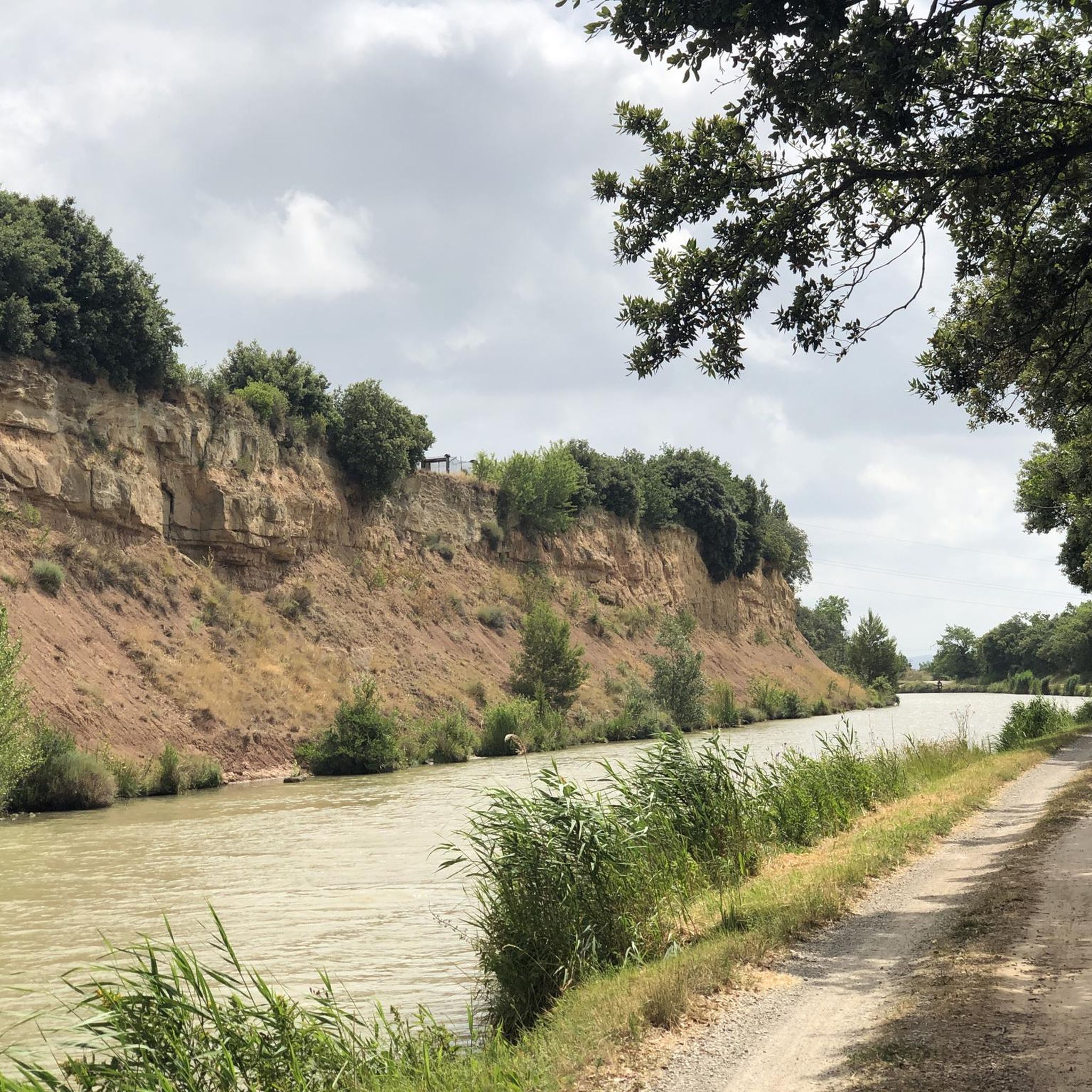
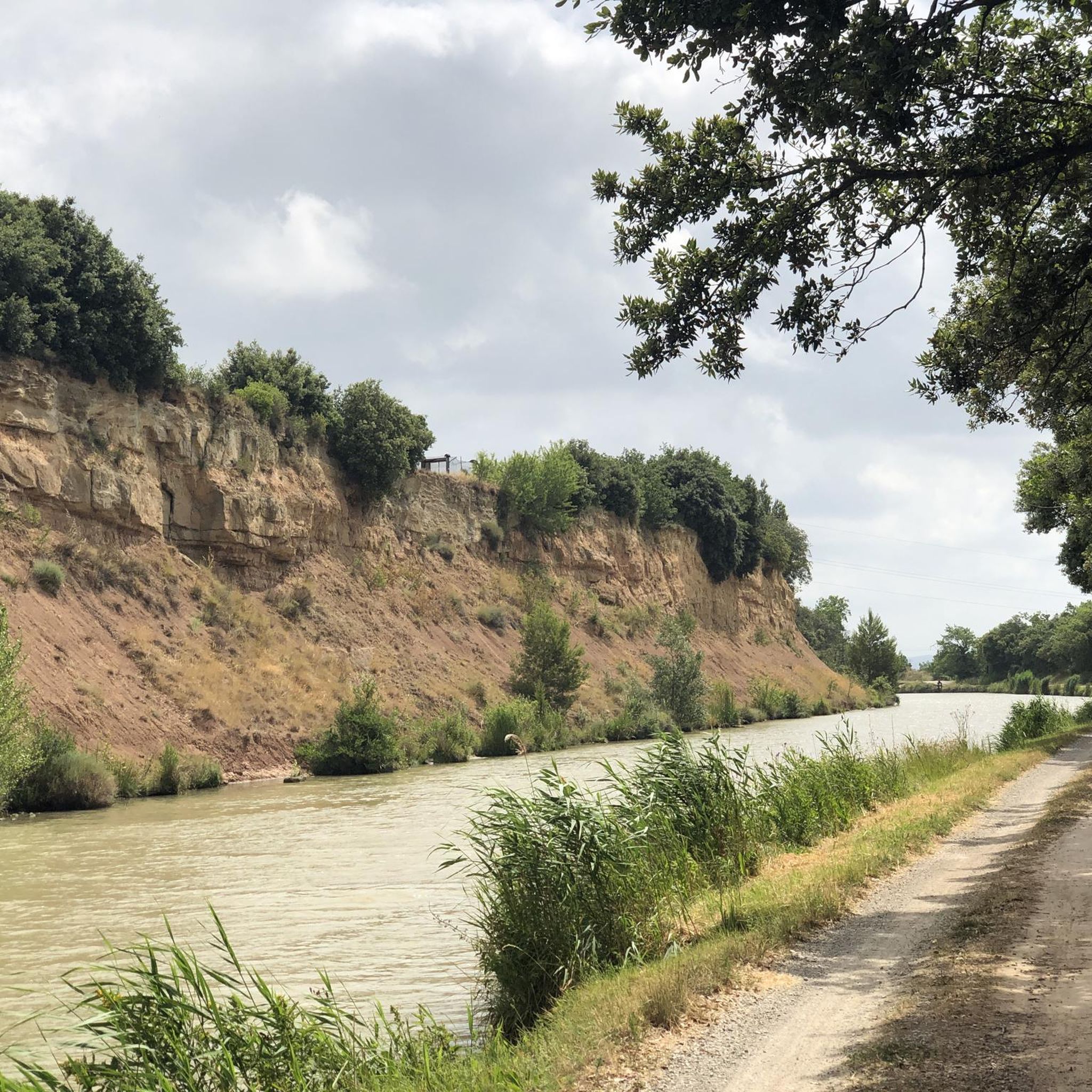
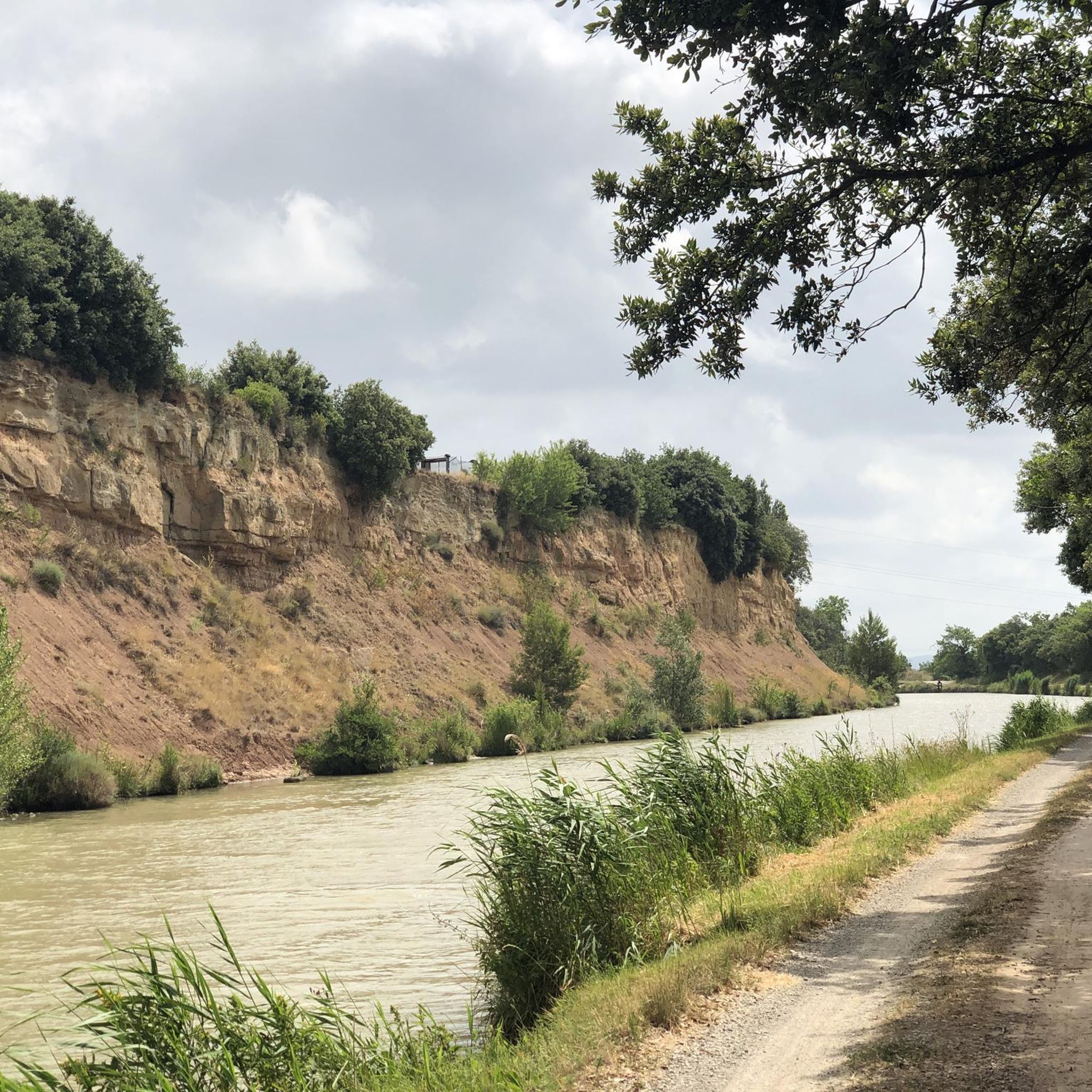
- Another must-see spot is Canal du Midi between Trèbes and Carcassonne, a canal stretch. Visitors can experience a navigable and picturesque section of the canal, suitable for cycling or walking.
- Visitors also love Aiguille Lock - Canal du Midi, a canal lock. It offers a view of the canal's operation and features creations by the lock keeper.
- Marseillette is known for its canal structures, rice fields, and viticulture. The region offers a variety of historical sites, natural features, and outdoor activities to explore.
- The attractions around Marseillette are appreciated by the komoot community, with over 290 upvotes and 75 photos shared across various highlights.
Last updated: September 27, 2026
Canal du Midi between Trèbes and Carcassonne
Highlight (Segment) • Other
Translated by Google •
Tip by

Trèbes Triple Locks
Highlight • Structure
Translated by Google •
Tip by

Sign up now to discover places like this
Get recommendations on the best single tracks, peaks, & plenty of other exciting outdoor places.
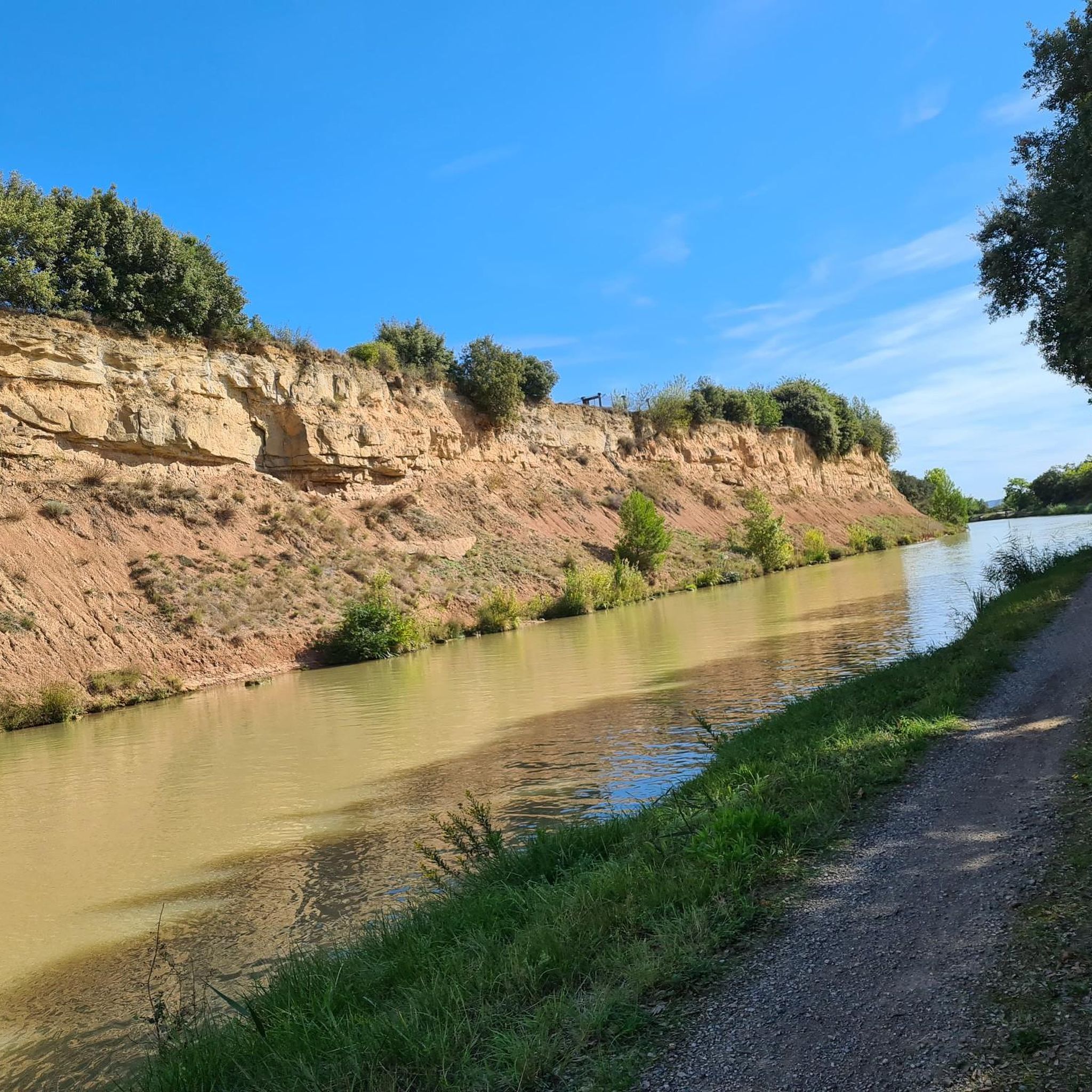
Canal du Midi at Marseillette
Highlight • River
Yes, the canal is a great immersion in history and the region
However, don't hesitate to make a few forays outside the canal... we made a detour via Revel going up the channel, then climbed a little on the mountain, and it was also very nice.
In summer, the canal is very busy...
Translated by Google •
Tip by

Canal du Midi Bridge
Highlight • Bridge
Translated by Google •
Tip by

Écluse de l'Aiguille
Highlight • Other
Translated by Google •
Tip by

Sign up for free to discover even more attractions around Marseillette.
Already have an account?
Start today with a free account
Your next adventure awaits.

Tips from the Community

The Trèbes locks are a flight of locks composed of three basins. Built around 1674, it is located downstream from the port of Trèbes at the exit of the town in the direction of the village of Marseillette. Taking advantage of the strong difference in level of the flight, an intense milling activity was established on the left bank of the lock. A first upper mill was built at the end of the 17th century. It is crossed by a diversion of the Canal du Midi which ensures its operation; it is described as having four millstones with a stable and a shed. A transformation of this first mill was carried out in 1867 to make it a flour mill comprising 6 millstones. This new building, later enlarged in the 1930s, consists of a base and 4 floors at its highest point. Today it has been converted into a restaurant.
0
0
The Canal du Midi, formerly the Royal Canal, is a 17th-century technical feat designed by Pierre-Paul Riquet to connect the Atlantic to the Mediterranean. Today, it is above all a place for relaxation and discovery, where heritage, nature, and conviviality blend together.
0
0
The l'Aiguille lock is a double lock on the Canal du Midi located in the commune of Puichéric.
0
0
L'Epanchoir de l'Argent Double, classified as a historic monument: started in 1677 and completed in 1694 according to Vauban's plans, it allows the canal to evacuate its excess water.
0
0


Hello Cormé, If you look to the left on the way there and to the right on the way back, you will see the same thing 😂 I'm joking of course and you are right, loop tracks are nicer.
0
0

Wonderful collection of eccentric art and sculptures, especially the moving ones
0
0

Frequently Asked Questions
What are the main natural attractions to explore near Marseillette?
Beyond the iconic Canal du Midi, Marseillette is known for the unique Rizière de l'étang de Marseillette, where you can observe rice fields and a diverse ecosystem perfect for birdwatching. Further afield, you can explore the vast underground Gouffre de Cabrespine or the impressive Grotte de Limousis. For water activities, Lac de la Cavayère and Lac de Jouarres offer various leisure options, while the Montagne Noire provides wild, unspoilt countryside for exploration.
Are there historical sites or cultural landmarks worth visiting around Marseillette?
Absolutely. The region is rich in history. A must-see is the magnificent medieval Cité de Carcassonne, a UNESCO World Heritage site, located about 15 km away. You can also visit several beautiful abbeys like Abbaye de Fontfroide and Abbaye de Lagrasse. The area is also home to numerous Cathar Castles, such as Peyrepertuse and Quéribus, offering a glimpse into the region's medieval past. Within Marseillette itself, the historic La Tour de l'Horloge, once a Chappe telegraph tower, stands prominently.
What kind of outdoor activities can I do along the Canal du Midi near Marseillette?
The Canal du Midi is perfect for cycling and walking. You can enjoy picturesque stretches like the Canal du Midi between Trèbes and Carcassonne. The canal features remarkable engineering works such as the Argent-Double aqueduct and spillway and the Orbiel Aqueduct, which are fascinating to observe. For specific cycling routes, you can find options like the 'Canal du Midi at Marseillette – Trèbes Triple Locks loop' in the Cycling around Marseillette guide.
Are there any family-friendly attractions or activities near Marseillette?
Yes, families can enjoy several attractions. The Lac de la Cavayère offers tree-climbing adventures and other lake activities. For a unique wildlife experience, the Réserve Africaine de Sigean, about 50 minutes away, allows visitors to observe animals in a natural environment. Exploring the Aiguille Lock - Canal du Midi can also be interesting for children to see how the canal operates, often featuring creations by the lock keeper.
Where can I find good hiking or walking trails around Marseillette?
The banks of the Canal du Midi offer easy and picturesque walking paths. For more challenging hikes, the Sentier Cathare provides a network of trails with serene landscapes and views of the Pyrenees. You can also find various MTB trails, such as the 'Alaric Mountain Trail – Signal of Alaric loop', in the MTB Trails around Marseillette guide, many of which are also suitable for walking.
What do visitors enjoy most about the Canal du Midi near Marseillette?
Visitors particularly appreciate the picturesque and navigable stretch of the Canal du Midi between Trèbes and Carcassonne, which is ideal for cycling or walking. The engineering marvels like the Canal du Midi Bridge and the Argent-Double aqueduct and spillway are also highly regarded for their historical significance and technical ingenuity. The Aiguille Lock - Canal du Midi is noted for offering an interesting view of the canal's operation and the lock keeper's unique creations.
Can I go wine tasting in the Marseillette area?
Yes, the region surrounding Marseillette is part of the extensive Languedoc wine region. You can explore local Caves Viticoles for tastings of Minervois and Corbières appellation wines, offering a true taste of the local terroir.
Are there any unique villages or towns to visit as a day trip from Marseillette?
Beyond the famous Cité de Carcassonne, you can visit Montolieu, known as the 'Book Village,' a unique place dedicated to old and second-hand books. Another picturesque medieval town is Minerve, set in an exceptional geological site with natural bridges, offering a fascinating day trip.
What are the options for cycling around Marseillette?
Marseillette is an excellent base for cycling, especially along the Canal du Midi. There are numerous routes for touring bicycles, gravel biking, and mountain biking. For example, you can find routes like the 'Canal du Midi Aqueduct – Argent-Double Spillway loop from Marseillette' in the Cycling around Marseillette guide, or more challenging options in the Gravel biking around Marseillette guide and MTB Trails around Marseillette guide.
Is there a beach or coastal area accessible from Marseillette?
Yes, if you're looking for a coastal escape, Narbonne Plage is approximately 50 minutes away. It offers a beach on the Mediterranean Sea, ideal for relaxing walks, sunbathing, and various water sports.
What is the best time of year to visit Marseillette for outdoor activities?
The Occitanie region generally enjoys a Mediterranean climate. Spring and early autumn are often ideal for outdoor activities, offering pleasant temperatures for cycling, walking, and exploring historical sites without the intense heat of summer. Summer can be very warm, making water-based activities or early morning/late evening excursions more comfortable.
Are there local markets nearby to experience local produce and goods?
Yes, several nearby towns host vibrant local markets. You can find markets in Carcassonne, Lézignan-Corbières, and Limoux on various days of the week, offering a great opportunity to discover local produce, crafts, and regional specialties.
Most popular routes around Marseillette

Get inspired with the komoot mobile app


Explore more
Still not found the Highlight you’re looking for? See guides of the top attractions in other regions:
