Attractions and Places To See around Weckringen - Top 20
Best attractions and places to see around Weckringen include a range of historical sites and cultural landmarks. Located in the Moselle region, the area features remnants of significant historical defense lines and traditional religious architecture. Visitors can explore sites that reflect both military history and pilgrimage traditions. The landscape offers a setting for discovering these points of interest.
Best attractions and places to see around Weckringen
- The most popular attractions is Hackenberg Fort, a historical site that is part…
Last updated: May 5, 2026
Hackenberg Fort
Highlight • Historical Site
Translated by Google •
Tip by

Kédange-sur-Canner Church
Highlight • Religious Site
Translated by Google •
Tip by
Sign up now to discover places like this
Get recommendations on the best single tracks, peaks, & plenty of other exciting outdoor places.
Sign up for free
Koenigsberg Farm
Highlight • Other
Translated by Google •
Tip by

Abri des Chênes Brûlés
Highlight • Historical Site
The **Abri des Chênes Brûlés** (German: "Shelter of the Burnt Oaks") is hidden in the forest near **Kemplich** …
Translated by Google •
Tip by

Stèle de Compostelle
Highlight • Trail
Translated by Google •
Tip by

Sign up for free to discover even more attractions around Weckringen.
Sign up for free
Already have an account?
Start today with a free account
Your next adventure awaits.
Login or Signup

Tips from the Community

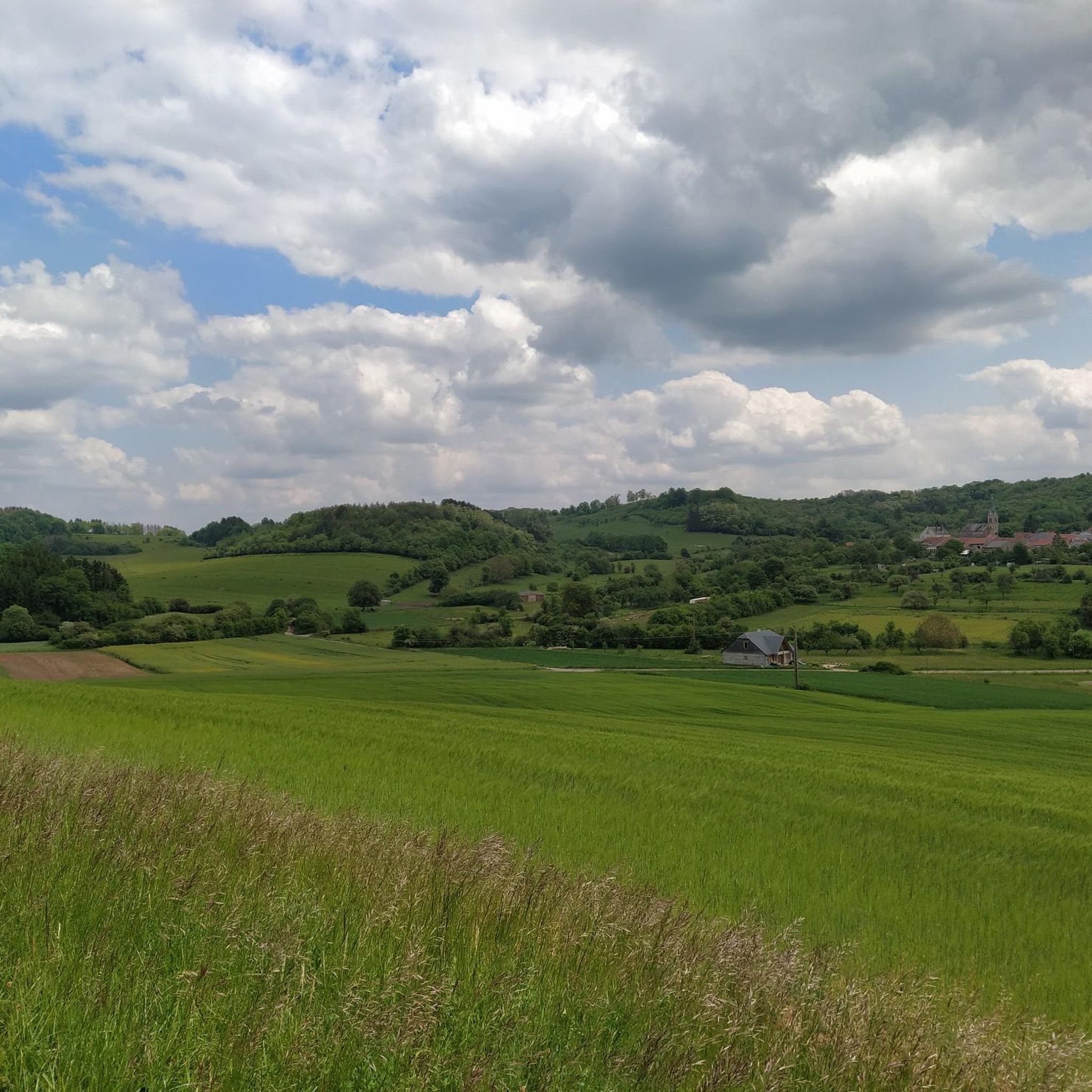
🪧 **Stèle de Compostelle near Lemestroff – Stopover on the Way of St. James** This **Stèle on the Way of St. James** near **Lemestroff** (municipality of Bouzonville) is a powerful symbol of the **pilgrimage tradition in Lorraine**. With its carved **scallop shell** and various coats of arms, it commemorates the region's centuries-old connection to the Way to **Santiago de Compostela**. 📍 The stele marks a stage of the pilgrimage route, which leads through rolling fields and quiet paths. Many pilgrims leave small stones or personal tokens in the niches – as an expression of inner contemplation or hope. **Tip:** Even those not on a pilgrimage can use this place as a moment of silence. The scenery of nature, history, and spirituality makes the place particularly impressive.
0
0
⛪ **Church of Kédange-sur-Canner – A Simple Jewel in the Moselle Valley** The **Église Saint-Martin** in **Kédange-sur-Canner** is a tranquil example of rural church architecture in Lorraine. Its origins date back to the **18th century**, and it has been restored several times over the years. The church is located slightly elevated in the village center and, with its steeple, offers a striking landmark. 🕊️ Its interior is simple, exuding a tranquil atmosphere – with harmonious proportions, light plaster, and a chancel illuminated by discreet glass panels. **Tip:** Those on quiet tours will find a quiet place to rest here with a view of village life – ideal for a moment of reflection or an architectural photo.
1
0
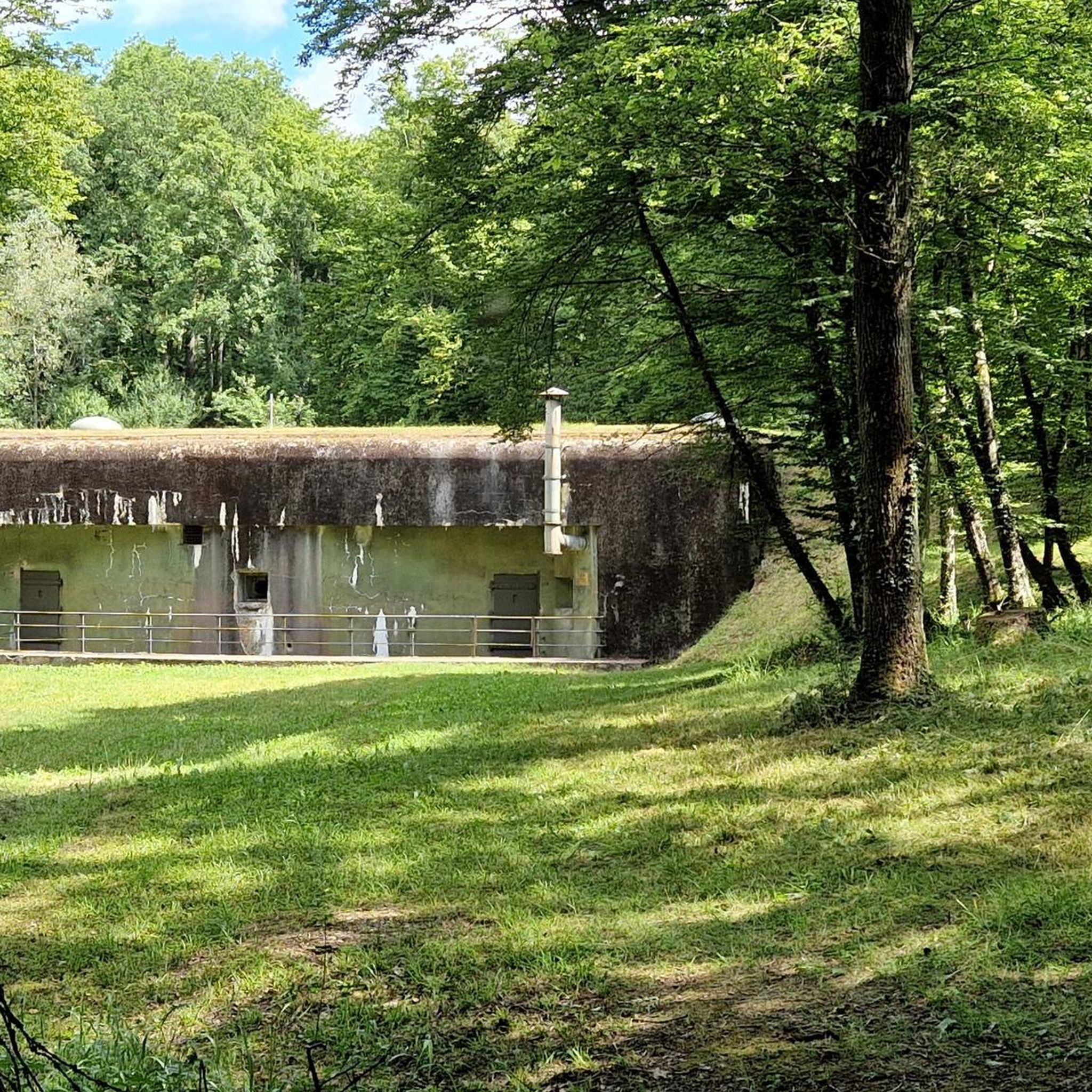
🛡️ **Abri des Chênes Brûlés – Hidden Shelter of the Maginot Line** The **Abri des Chênes Brûlés** (German: "Shelter of the Burnt Oaks") is hidden in the forest near **Kemplich** and was part of the French **Maginot Line**. It served as an **underground shelter for infantry units** stationed along the line. 🕳️ The concrete bunker is partially overgrown but still clearly recognizable – with typical features such as loopholes, ventilation openings, and massive steel reinforcements. Today, it is not accessible, but visible from the outside and impressively preserved. **Tip:** The shelter is quietly located on the edge of the forest – ideal as a quiet, historic stopover on a hike through the former defense area. Please treat it with respect – it is a place of military-historical significance.
2
0
🛡️ **Ouvrage du Hackenberg** – The Largest Fortification of the Maginot Line** The **Ouvrage du Hackenberg** near **Veckring** is the most impressive and largest fortification of the **Maginot Line** – a real must-see for history buffs. Built between 1929 and 1935, it includes: 🔩 **17 combat and entry blocks**, 🚇 over **10 km of underground tunnels**, 🚂 an **internal electric railway**, ⚙️ barracks, ammunition depots, a hospital, and a power supply. During World War II, the fort was combat-ready, but was evacuated without a fight after the armistice in 1940. The French Army later reused the facility during the Cold War. 🎟️ Today, Hackenberg has been beautifully restored and can be visited on guided tours – including a ride on the original narrow-gauge railway. Tip: Be sure to take a guided tour – it lasts about two hours. The underground coolness is pleasant even in summer! It's ideal for a half-day excursion with a historical twist.
0
0
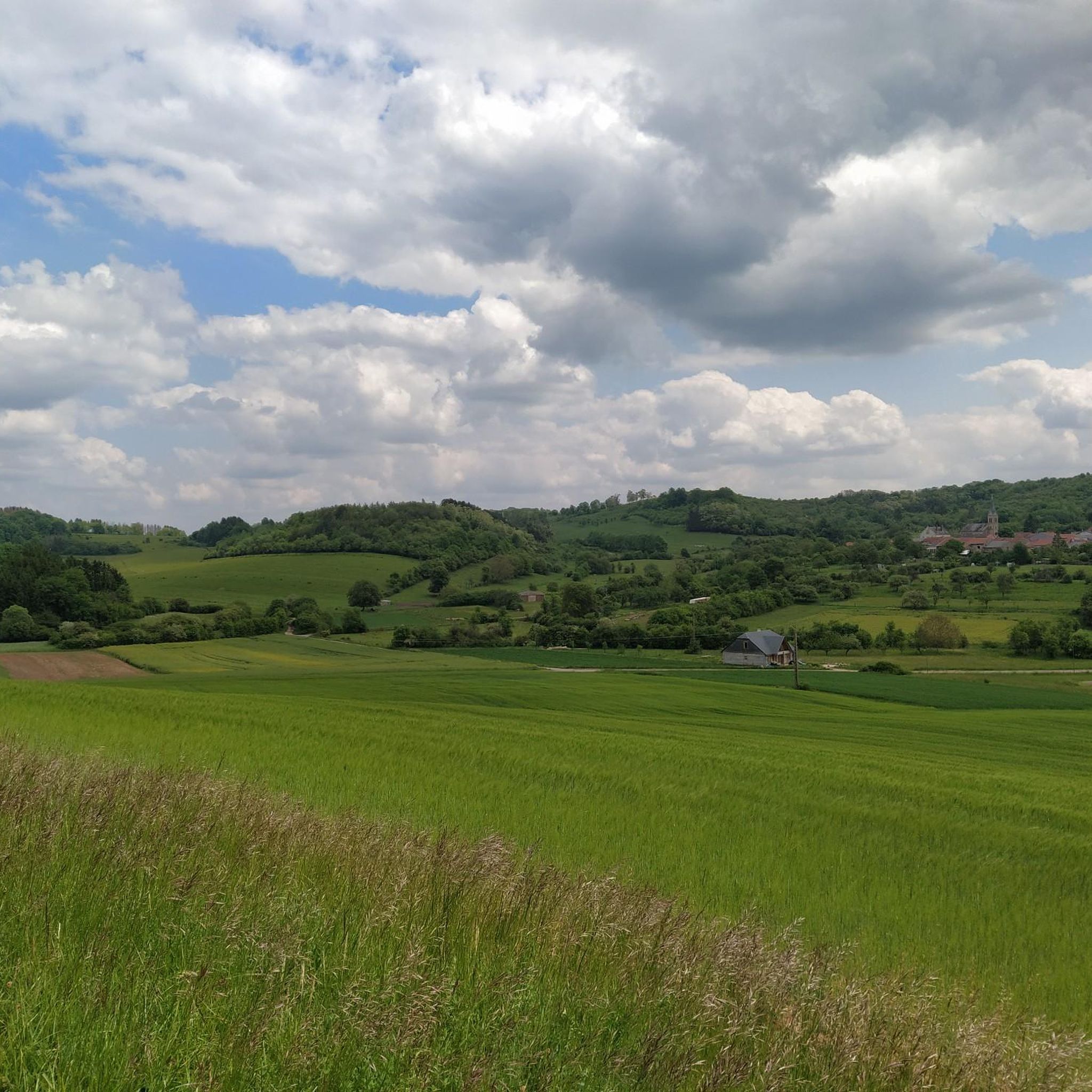
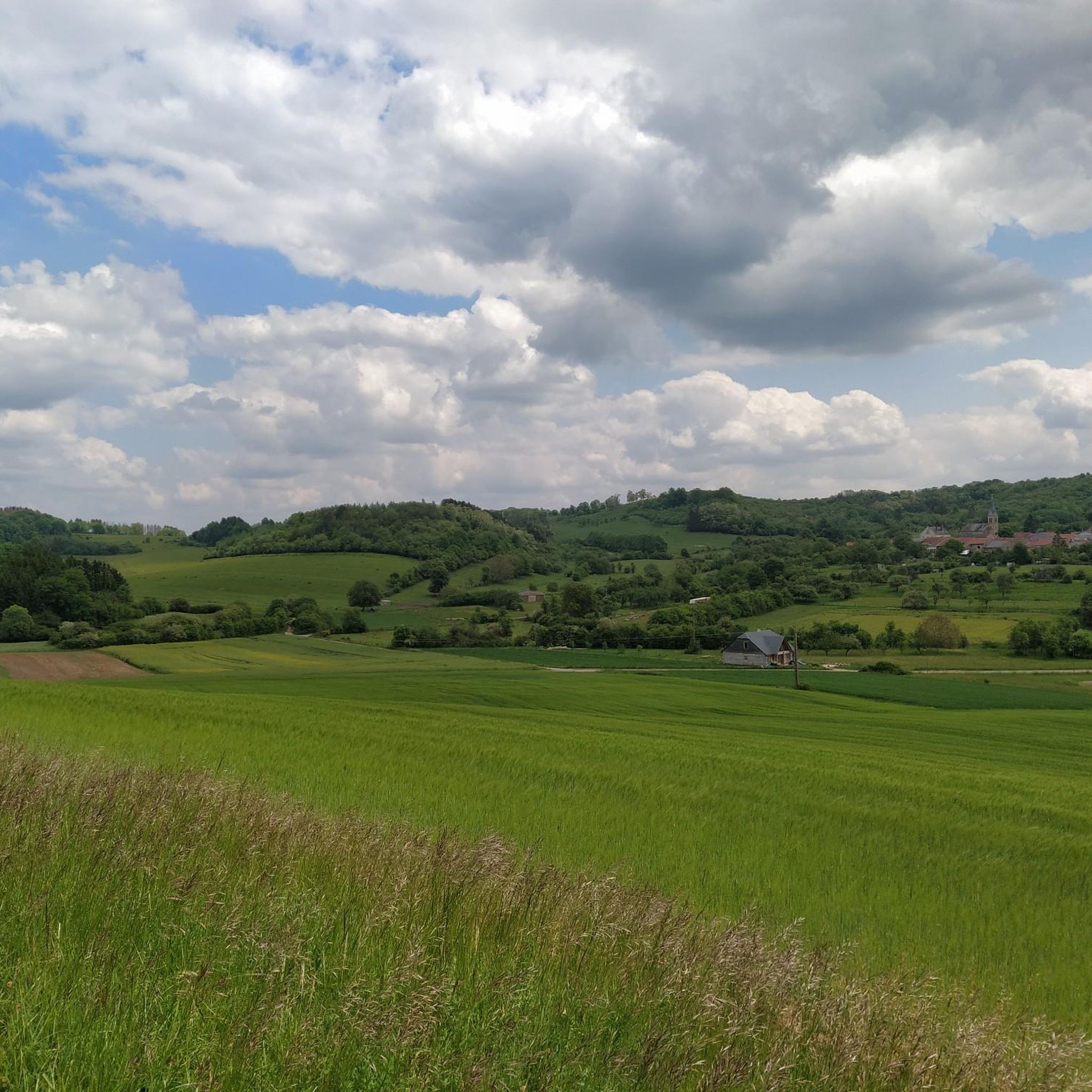
🏡 Koenigsberg Farm (Ferme de Koenigsberg) A historic farm in a secluded location on the Stromberg plateau near Niederkontz – with old stables, a tranquil atmosphere, and distant views extending into the Moselle Valley. The farm dates back to monastic structures and still shapes the landscape today. Tip: Ideal for a short rest in tranquil surroundings – especially atmospheric in the early evening when the light and landscape harmonize.
1
0

This cemetery, with its partly elaborate gravestones, is located directly on the main road in front of the church of Kedange.
0
0

Way stone Way of St. James with bench
2
0
A super asphalted one-way road leads up to the fort and back down again 🚴👍
1
0
Frequently Asked Questions
Are there family-friendly attractions around Weckringen?
Yes, several attractions are suitable for families. The Hackenberg Fort offers a unique historical experience, including demonstrations of its turret in action, which can be engaging for older children. The Kédange-sur-Canner Church also welcomes families looking for a tranquil cultural visit.
What historical sites can I visit in the Weckringen area?
The region is rich in history, particularly related to the Maginot Line. You can explore the impressive Hackenberg Fort, a major part of this defense line, and the Abri des Chênes Brûlés, an underground infantry shelter. Additionally, the Kédange-sur-Canner Church offers a glimpse into local religious history.
Are there hiking opportunities near the attractions?
Absolutely. The area around Weckringen offers various hiking trails, many of which pass by or lead to these attractions. For instance, there are easy to moderate hikes like the "Hackenberg Fort – Hackenberg Bunker Complex loop from Veckring" (6.06 km, easy) or the "Hackenberg Fort – Abri des Chênes Brûlés loop from Veckring" (16.34 km, moderate). You can find more details and routes in the Hiking around Weckringen guide.
What is the best time to visit the attractions around Weckringen?
The spring and autumn months generally offer pleasant weather for exploring the historical sites and enjoying outdoor activities. Summer is also suitable, though it can be warmer. For indoor attractions like parts of the Hackenberg Fort, visits are possible year-round, but it's advisable to check specific opening hours, especially outside peak season.
Can I reach the attractions by public transport?
While some attractions might be accessible via local bus services, many of the historical sites and natural areas around Weckringen are best reached by car. Public transport options can be limited, especially for sites like the Abri des Chênes Brûlés which is located in a forest.
Are there any pilgrimage sites or monuments in the area?
Yes, the region is part of the historic pilgrimage routes. The Stèle de Compostelle near Lemestroff is a significant monument marking a stage of the Way of St. James, symbolizing the region's connection to this ancient tradition. The Kédange-sur-Canner Church is also on the path of Saint Jacques de Compostela.
What do visitors enjoy most about the attractions in Weckringen?
Visitors particularly appreciate the unique historical insights offered by sites like the Hackenberg Fort, with its engaging demonstrations. The tranquil atmosphere of religious sites such as the Kédange-sur-Canner Church and the spiritual significance of the Stèle de Compostelle are also highly valued. The blend of history and nature provides a rich experience.
Are there any cycling routes near these attractions?
Yes, the area offers various cycling opportunities. You can find road cycling routes like the "Château de Luttange – Kédange-sur-Canner Church loop from Metzervisse" (41.02 km, moderate) or explore gravel biking trails. For more options, refer to the Road Cycling Routes around Weckringen and Gravel biking around Weckringen guides.
Are there any hidden gems or lesser-known historical sites?
While not open to visitors, the Koenigsberg Farm is a historical site with monastic origins and a listed monument, offering a glimpse into the region's past from a distance. The Abri des Chênes Brûlés, an overgrown concrete bunker, is also a fascinating, less-frequented historical spot hidden in the forest.
Is parking available at the main attractions?
Parking is generally available at major sites like the Hackenberg Fort. For other attractions, especially those in more rural or forested areas, parking might be less formal, often roadside or in small designated areas. It's always recommended to check specific location details if driving.
Are the attractions around Weckringen suitable for dog owners?
Many outdoor areas and hiking trails around Weckringen are suitable for walks with dogs, provided they are kept on a leash. For specific indoor attractions or historical sites, it's best to check their individual policies regarding pets. Natural sites like the area around Abri des Chênes Brûlés are generally dog-friendly for outdoor exploration.
What kind of natural features can I expect to see?
The region around Weckringen is characterized by rolling fields, forests, and the proximity to the Moselle Valley. While the primary attractions are historical and man-made, they are often set within picturesque natural landscapes. For example, the Abri des Chênes Brûlés is nestled in a forest, offering a blend of history and nature.
Most popular routes around Weckringen

Get inspired with the komoot mobile app


Explore more
Still not found the Highlight you’re looking for? See guides of the top attractions in other regions:
