The best running trails in Korinthia
4.0
(5)
144
runners
19
runs
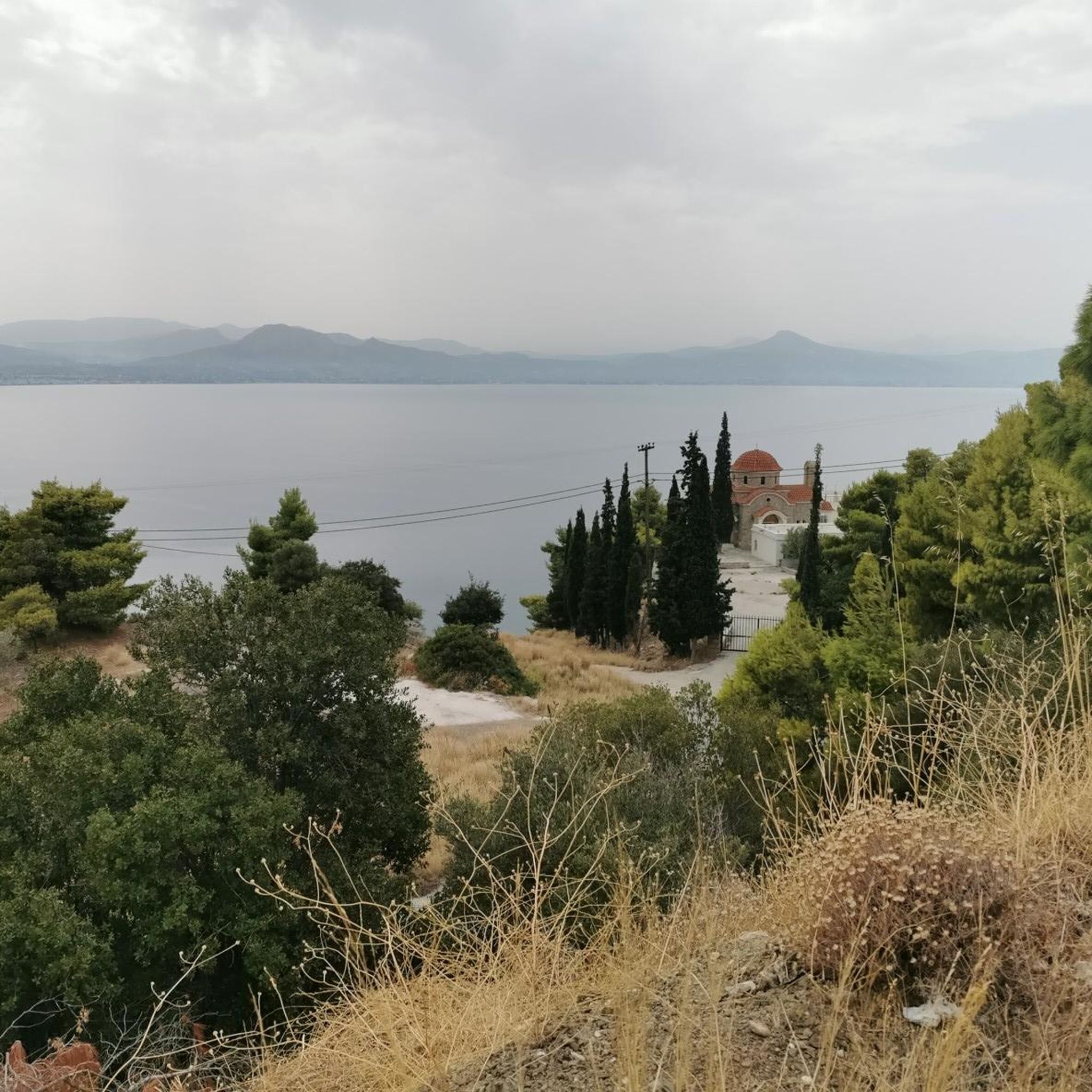
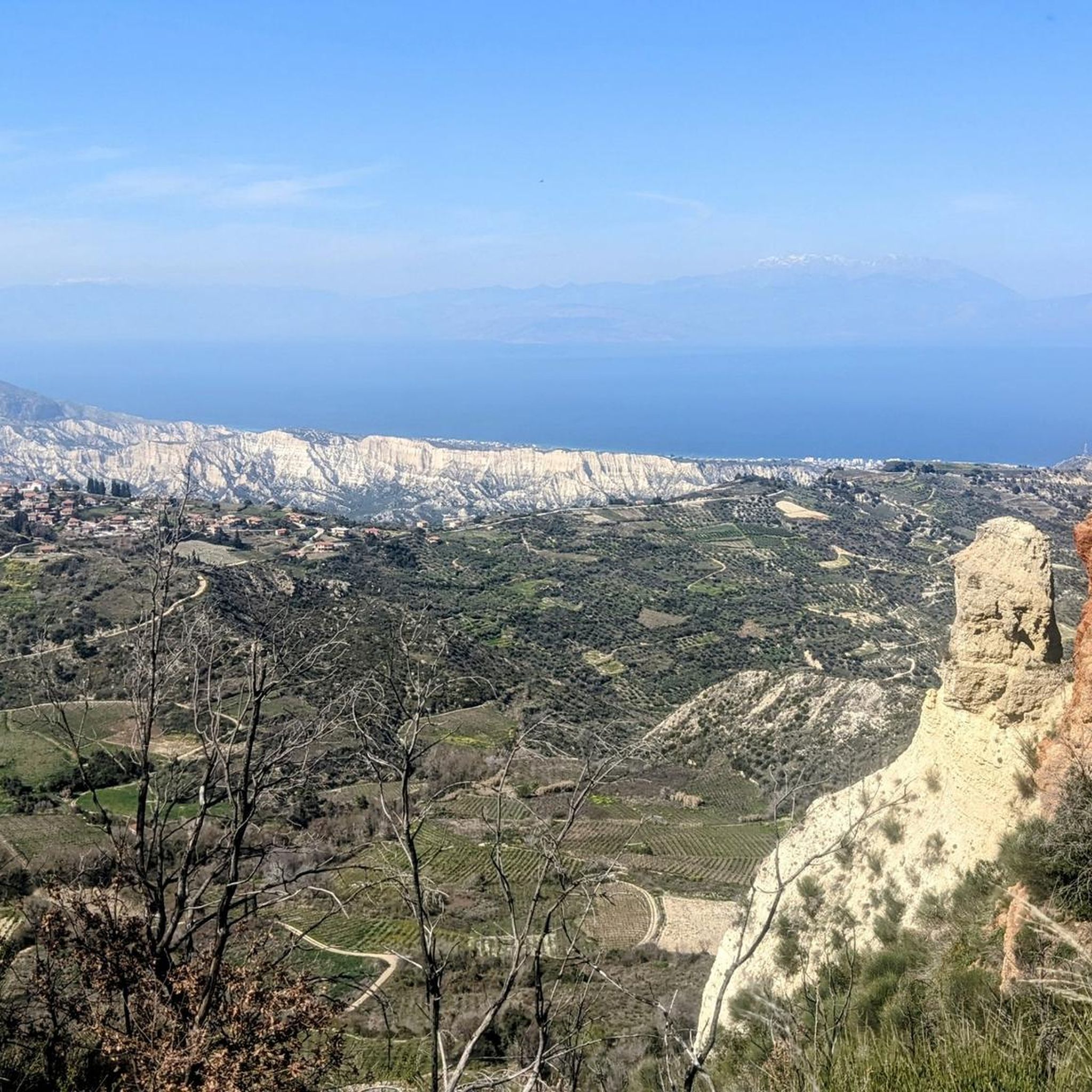
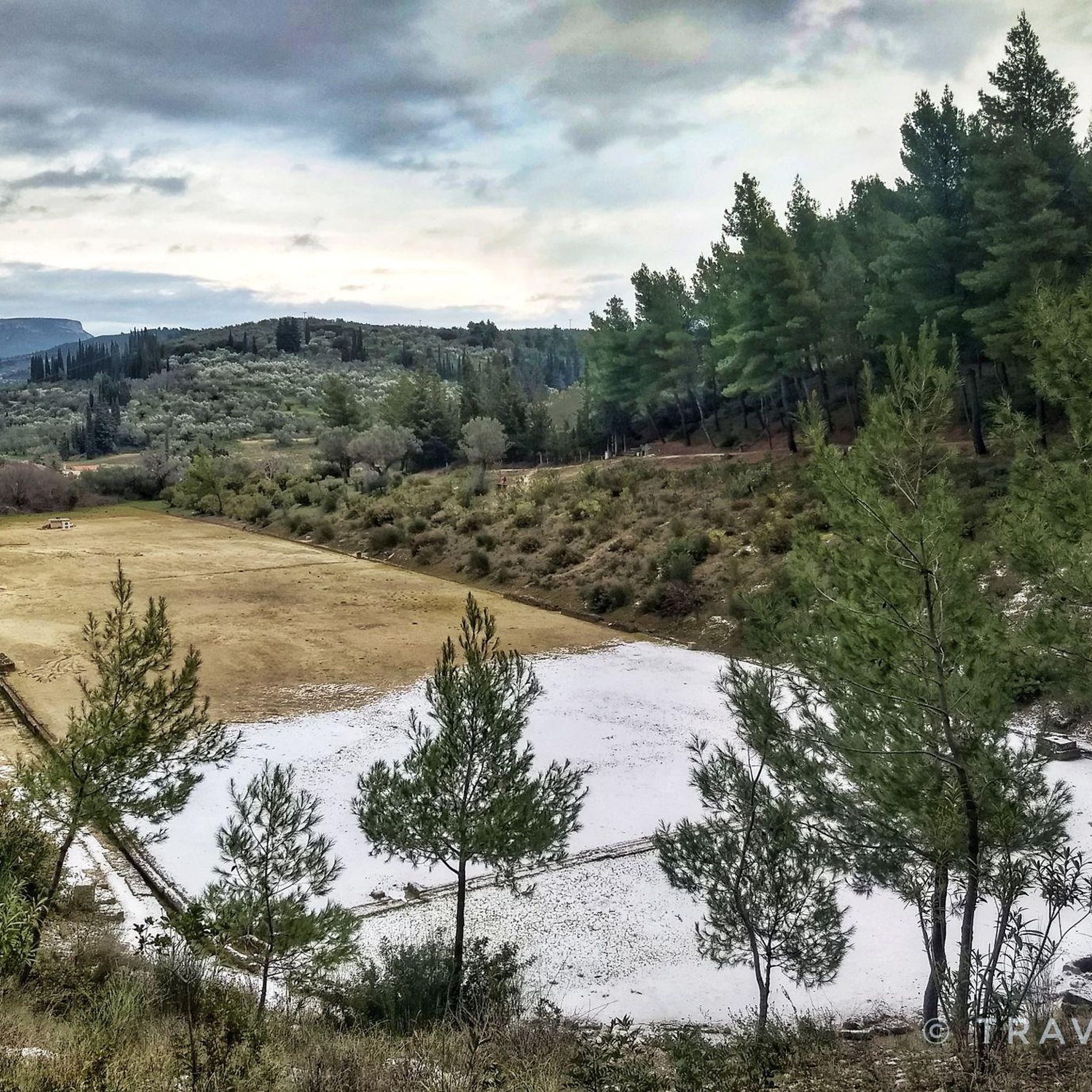
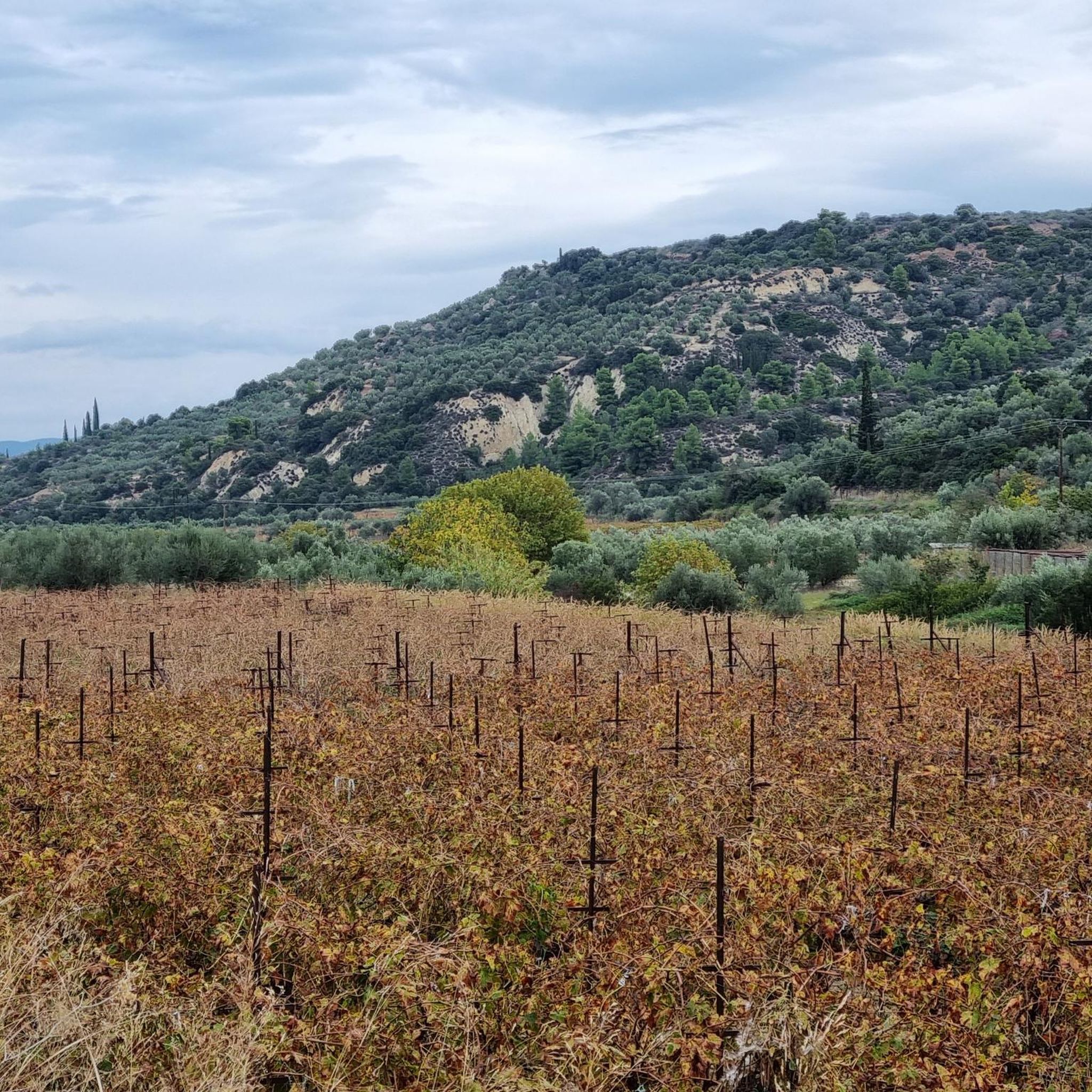
Jogging routes in Korinthia traverse a diverse landscape, featuring mountainous terrain, serene lakes, and coastal areas. The region is characterized by the challenging slopes of Mount Kyllini and the Geraneia Mountains, offering varied elevation for runners. Picturesque lakes such as Stymphalia and Doxa provide tranquil lakeside paths, while the Corinthian Gulf and Saronic Gulf offer coastal running opportunities. Ancient archaeological sites like Ancient Corinth are integrated into the landscape, providing unique backdrops for running.
Best jogging routes in Korinthia
- The most popular jogging route is Αρχαία Δίολκος loop from Community of Loutraki - Perachora, a 7.3 miles (11.7 km) trail that takes 1 hour 13 minutes to complete. This moderate route follows the ancient Diolkos pathway, offering a historical running experience.
- Another top favourite among local runners is Doxa Lake Dam loop from Lake Doxa, an easy 2.7 miles (4.3 km) path. This route offers a peaceful experience around the artificial Lake Doxa, known for its green surroundings.
- Local runners also love the Temple of Apollo loop from Ancient Korinthos, a 6.3 miles (10.1 km) trail leading through the archaeological site of Ancient Korinthos, often completed in about 1 hour 18 minutes.
- Jogging in Korinthia is defined by mountain trails, lakeside paths, and coastal routes. The network offers options for different ability levels, from easy loops to more challenging climbs.
- The routes in Korinthia are highly rated by the komoot community with an average score of 4.3 stars from over 7 reviews. More than 200 runners have used komoot to explore Korinthia's varied terrain.
Last updated: October 28, 2026
21
runners
4.31km
00:27
20m
20m
Easy run. Mostly paved surfaces.
21
runners
9.89km
01:17
440m
440m
Hard run. Very good fitness required. Mostly paved surfaces.

15
runners
6.34km
00:40
20m
20m
Moderate run. Good fitness required. Mostly paved surfaces.
11
runners
23.1km
02:32
220m
220m
Hard run. Very good fitness required. Mostly paved surfaces.
9
runners
13.5km
02:39
1,170m
1,170m
Hard run. Very good fitness required. Mostly paved surfaces.
8
runners
10.8km
01:28
480m
480m
Hard run. Very good fitness required. Mostly paved surfaces.
4
runners
5.50km
00:34
10m
10m
Moderate run. Good fitness required. Mostly paved surfaces.
3.0
(1)
3
runners
7.04km
00:45
90m
90m
Moderate run. Good fitness required. Mostly paved surfaces.
5
runners
13.9km
01:27
50m
50m
Moderate run. Good fitness required. Mostly paved surfaces.
5.0
(4)
3
runners
6.73km
00:42
40m
40m
Moderate run. Good fitness required. Mostly paved surfaces.
Get access to more routes and recommendations from other explorers.
Already have an account?
Our route recommendations are based on thousands of hikes, rides, and runs completed by other people on komoot.
Start today with a free account
Your next adventure awaits.
Tips from the Community

The Byzantine Church of Saint Demetrius (Agios Dimitrios) within the fortress of Akrokorinth is a small, rustic stone building with a tiled roof, located on a hill.
1
0
The Lower Peirene Spring (also called Peirene Fountain) is the most striking monument in ancient Corinth. It is located directly in the archaeological site of Ancient Corinth, near Lechaion Street. In antiquity, it was considered the centerpiece. They date mainly from the Roman era, but are based on much older Greek structures.
1
0
The archaic Temple of Apollo was built around the 6th century BC and is considered one of the most significant monuments in the region. Of the original 38 monolithic columns, seven still stand today.
1
0
The so-called Centaur Bath (also Centaur Bath) in ancient Corinth is one of the best-studied examples of a Greek bath from the classical period. This bath is particularly known for its archaeological significance. It dates from the late 5th century BC. The bath got its name from a pebble mosaic floor, discovered in 1975 during excavations by the American School of Classical Studies at Athens in the southwest of the forum. The mosaic depicts a centaur reaching for a big cat, as well as a donkey. It is considered one of the earliest examples of figurative pebble mosaics in Greece.
1
0
The Glauke Fountain (also called Fountain of Glauke) is an important archaeological site in ancient Corinth. It is located on the western slope of the Temple of Apollo hill. The fountain is closely linked to Greek mythology: It was named after Glauke, the daughter of King Kreon of Corinth. She was supposed to marry the hero Jason after he had separated from the sorceress Medea. As revenge, Medea gave the bride a poisoned dress (or veil), which immediately caught fire when Glauke put it on. To extinguish the flames, the girl threw herself into the fountain and drowned there. After this event, the spring received its name.
1
0
(2) - Conversion to arena (3rd century AD): After fire damage, the building was redesigned in 225 AD. The stage building was removed and the orchestra expanded to be used for gladiator fights and animal hunts. In the 4th century AD, the monument was destroyed by enemy invasions (probably the Goths under Alaric I) and finally abandoned. The auditorium (Cavea) was laid out in a semicircle and divided into two sections, with a total of about 26 rows of seats. The original stage had three entrances and was probably decorated with colored marble and paintings.
1
0
The Odeon of Corinth is an ancient Roman theater building, erected in the late 1st century AD, which could accommodate about 3,000 spectators. It originally served as a covered venue for musical performances and rhetorical competitions. The structure underwent three main construction phases and reflects the development of the Roman city of Corinth: - Erection (1st century AD): Built as an integral part of the Roman colony under imperial rule. - Renovation (2nd century AD): Around 175 AD, the famous benefactor Herodes Atticus magnificently renovated the Odeon. A courtyard surrounded by colonnades (stoas) was added, architecturally connecting the Odeon with the nearby Great Theater.
1
0
Small parking lot with a view. Caution, Google Maps shows the wrong position.
0
0
Frequently Asked Questions
How many running routes are available in Korinthia?
Korinthia offers a wide selection of running routes, with over 20 trails documented on komoot. These routes cater to various preferences, from easy lakeside loops to more challenging mountain climbs.
Are there running routes suitable for beginners in Korinthia?
Yes, Korinthia has several easy running paths perfect for beginners. A great option is the Doxa Lake Dam loop from Lake Doxa, an easy 2.7 miles (4.3 km) path offering a peaceful experience amidst green surroundings. This route is mostly paved and suitable for any fitness level.
What kind of terrain can I expect on running trails in Korinthia?
Korinthia's diverse landscape provides a variety of terrains. You can find everything from tranquil lakeside paths around Lake Doxa and Lake Stymphalia, to coastal routes along the Corinthian and Saronic Gulfs, and more challenging mountain trails in areas like Mount Kyllini (Ziria) and the Geraneia Mountains. Many routes also incorporate historical sites, offering a unique blend of nature and culture.
When is the best time of year to go running in Korinthia?
The spring and autumn months generally offer the most pleasant conditions for running in Korinthia, with milder temperatures. Summer can be quite hot, especially for mountain trails, but coastal and lakeside routes might be more comfortable in the early mornings or late evenings. Winter running is possible, particularly on lower elevation paths, but higher mountain areas may experience colder weather.
Are there challenging trails for experienced runners in Korinthia?
Absolutely. For those seeking a challenge, Korinthia features several difficult routes. The Temple of Apollo loop from Ancient Korinthos, for example, is a difficult 6.3 miles (10.1 km) trail with significant elevation gain. Another demanding option is the Ντουρντουβάνα loop from Lake Doxa, which includes over 1,100 meters of elevation gain.
What historical sites or landmarks can I see while running in Korinthia?
Korinthia's running routes often pass by significant historical sites. You can explore the ancient Diolkos pathway on the Αρχαία Δίολκος loop from Community of Loutraki - Perachora. The Temple of Apollo loop from Ancient Korinthos takes you through the archaeological site of Ancient Korinthos, where you can see the impressive Temple of Aphrodite and other ruins. The iconic Corinth Canal is also a notable landmark in the region.
Are there any natural attractions to discover on Korinthia's running paths?
Yes, Korinthia is rich in natural beauty. The Doxa Lake Dam loop offers stunning views of the artificial Lake Doxa. You can also find routes near Lake Stymphalia, a significant wetland. The region also features the Pegasus Fountain and the Seal Cave Natural Rock Arch, among other natural highlights.
What do other runners say about the trails in Korinthia?
The running routes in Korinthia are highly rated by the komoot community, with an average score of 4.3 stars from over 7 reviews. Runners often praise the diverse landscapes, from serene lakes to historical sites, and the variety of options available for different fitness levels.
Are there family-friendly running routes in Korinthia?
For families, the easier, flatter routes are ideal. The Doxa Lake Dam loop from Lake Doxa is an excellent choice, being an easy and scenic path around the lake. These types of routes provide a pleasant experience for all ages.
Can I bring my dog on the running trails in Korinthia?
Many outdoor trails in Korinthia are suitable for running with dogs, especially in less crowded natural areas like around Lake Doxa or in the quieter parts of the Geraneia Mountains. However, it's always recommended to keep your dog on a leash and be mindful of local regulations, especially near archaeological sites or protected natural areas.
Are there running routes in Korinthia accessible by public transport?
While many routes in Korinthia are best accessed by car, some areas, particularly those closer to towns like Corinth or Loutraki, may have public transport options. For example, routes around Ancient Korinthos or near the Corinth Canal might be more accessible. It's advisable to check local bus schedules for specific starting points.
Do any running routes in Korinthia offer views of the Corinth Canal?
Yes, the iconic Corinth Canal is a prominent feature in the region. Routes near Loutraki and Corinth, such as the Αρχαία Δίολκος loop, offer opportunities to see this impressive engineering marvel, including the submersible bridges at its entrances.
Are there running routes that pass by lakes in Korinthia?
Korinthia is home to beautiful lakes that offer serene running environments. The Doxa Lake Dam loop is a prime example, providing a peaceful run around the artificial Lake Doxa. The region also features Lake Stymphalia, a significant wetland with environmental paths ideal for lakeside jogging.
Where can I find coastal running paths in Korinthia?
For coastal running, look towards the areas along the Corinthian Gulf and the Saronic Gulf. Towns like Xylokastro offer routes such as the Πευκιάς loop from Xylokastro, which provides seaside jogging opportunities. The coastal areas near Lake Vouliagmeni and the Heraion of Perachora also offer scenic paths with views of the sea.
Most popular attractions in Korinthia

Get inspired with the komoot mobile app


Didn’t find what you were looking for?
Check out more Running Trails & Routes throughout Korinthia below and find the perfect route in your destination.
Explore more
Browse the best Running Trails & Routes in other regions.
