The best road cycling routes around Saint-Juéry
4.3
(25)
766
riders
63
rides
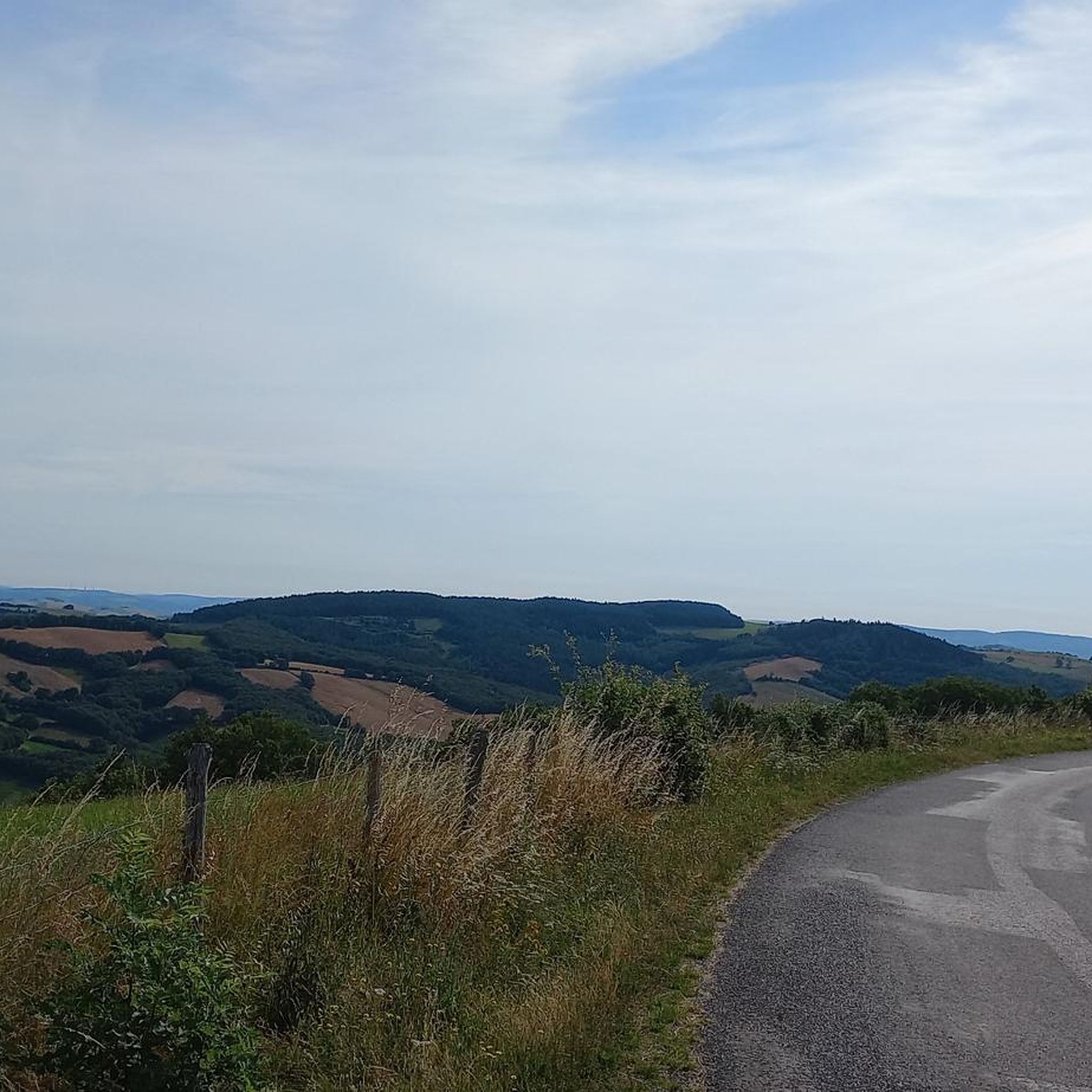
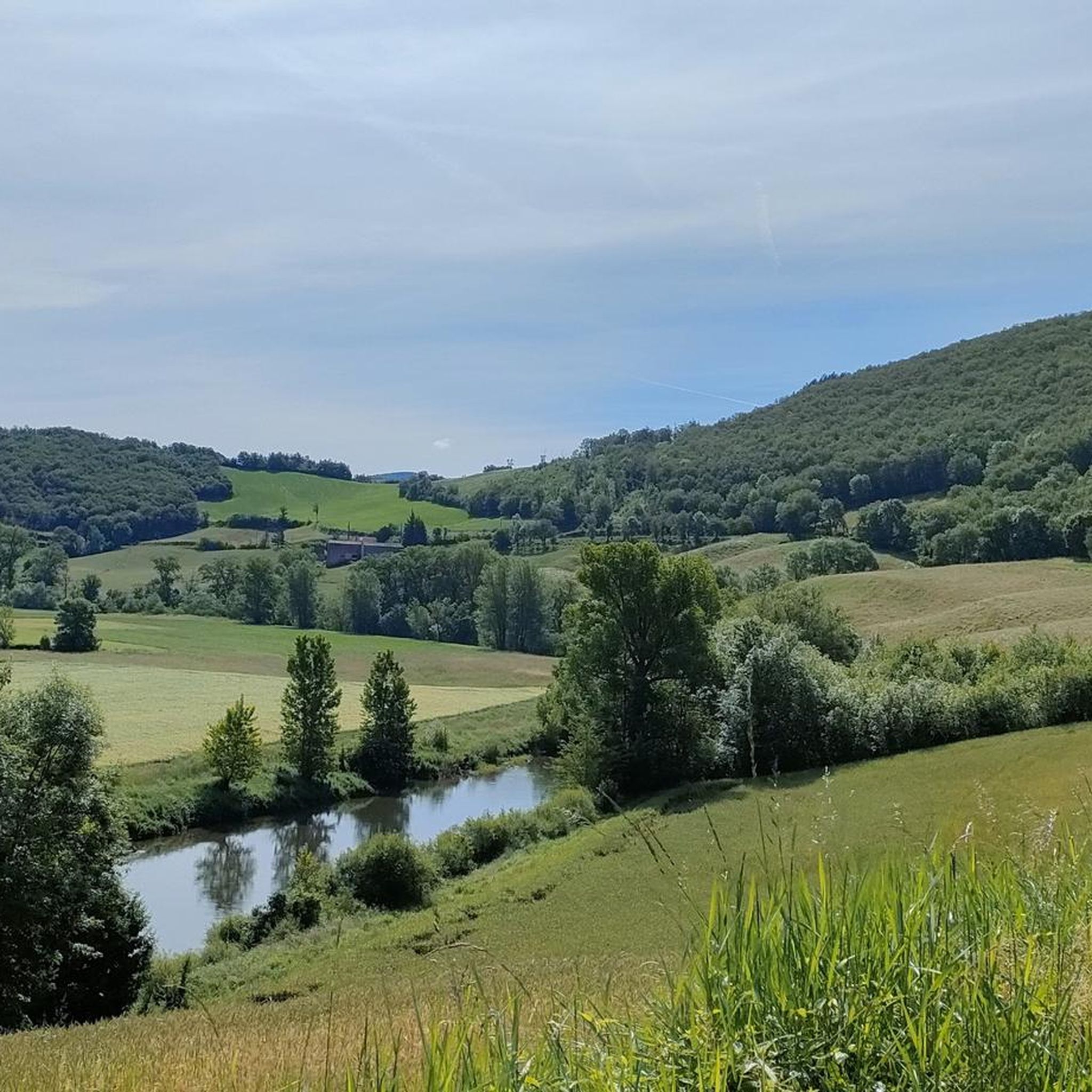
Road cycling routes around Saint-Juéry traverse a landscape characterized by rolling hills, river valleys, and historical sites. The region offers a mix of terrain, from gentler paths along waterways to more challenging ascents through the countryside. Cyclists can expect varied scenery, including open fields, scattered woodlands, and views of the local architecture and natural features.
Best road cycling routes around Saint-Juéry
- The most popular road cycling route is Saint-Affrique – Saint-Affrique loop from Saint-Izaire, a 33.4 miles (53.7 km)…
Last updated: October 5, 2026
25
riders
39.0km
01:50
330m
330m
Moderate road ride. Good fitness required. Some segments of this route may be unpaved and difficult to ride.
4.0
(1)
42
riders
45.6km
02:11
480m
480m
Moderate road ride. Good fitness required. Some segments of this route may be unpaved and difficult to ride.

12
riders
53.9km
02:50
990m
990m
Hard road ride. Very good fitness required. Mostly well-paved surfaces and easy to ride.
10
riders
97.1km
04:54
1,560m
1,560m
Hard road ride. Very good fitness required. Mostly well-paved surfaces and easy to ride.
5.0
(1)
9
riders
36.5km
02:00
700m
700m
Moderate road ride. Good fitness required. Mostly well-paved surfaces and easy to ride.
Get access to more routes and recommendations from other explorers.
Already have an account?
Our route recommendations are based on thousands of hikes, rides, and runs completed by other people on komoot.
Start today with a free account
Your next adventure awaits.


Tips from the Community

Crossing Buffières, the church and the statue of the Virgin offer a heritage break amidst the rural landscapes of the South Aveyron. A simple but representative place of these villages where each building tells a part of local history.
2
0
Dominated by its imposing medieval castle, Coupiac has preserved a remarkable heritage site. The fortress, rebuilt at the end of the 15th century, still impresses with its towers, machicolations, and defensive openings. A few steps away, the Notre-Dame-de-l'Assomption church completes this dive into history with its architecture blending Romanesque and Gothic styles, as well as a richly decorated choir. The castle and church alone summarize nearly a millennium of Coupiac's history, from the first medieval fortifications to the 19th-century embellishments.
2
0
Behind this facade lies an important part of Coupiac's history. For decades, Meubles BEL perpetuated a recognized know-how in woodworking and cabinetmaking. Their mark is still visible today, particularly at the Rural Wood Museum housed in the castle, where tools and objects recall the major role this company played in the life of the village.
2
0
Installed on the ridge line that carries the village, this viewpoint offers much more than a simple viewpoint. From this promontory, the landscape tells the story of the meeting of several faces of the South-Aveyron: the schistous reliefs of the Ségala, the red lands of the Rougier de Camarès, the sandstones towards Coupiac, then the silhouettes of the Lévézou, the Monts de Lacaune and the Larzac. In clear weather, the gaze extends to the Aigoual massif.
2
0
The church of Saint-Izaire recalls the religious importance of the village over the centuries. The current building, consecrated in 1891, replaced the old medieval church which was integrated into the village fortifications. Today, along with the neighboring episcopal castle, it bears witness to the major role that Saint-Izaire played in the religious history of Rouergue.
3
0
Saint-Izaire settled in the Dourdou valley, as close as possible to the water and agricultural land. The castle and the church still bear witness today to the historical importance of this village.
2
0
From this bridge, Saint-Izaire reveals all its history. The Dourdou in the foreground, the bishops' castle, the church and the village houses form a whole where each element recalls the past of the place. This location is not accidental: the river has shaped local life, while the castle bears witness to the major religious and political role this village played for several centuries.
2
0
From this point, Broquiès reveals itself on the slopes overlooking the Tarn. This location is not accidental: by moving away from the valley floor, the inhabitants protected themselves from floods while remaining close to the river, which for centuries was a transport route and a driving force of local life.
2
0
Frequently Asked Questions
How many road cycling routes are available around Saint-Juéry?
There are over 60 road cycling routes documented on komoot around Saint-Juéry, offering a diverse range of experiences for cyclists. These routes traverse a landscape characterized by rolling hills, river valleys, and historical sites.
Are there any easy road cycling routes suitable for beginners in Saint-Juéry?
Yes, Saint-Juéry offers a few easier routes. While most routes are moderate to difficult, there are at least 2 routes specifically rated as easy, providing a gentler introduction to the region's beautiful scenery.
What kind of terrain can I expect on road cycling routes in Saint-Juéry?
The region around Saint-Juéry is known for its varied terrain, including rolling hills, picturesque river valleys, and historical sites. Cyclists will encounter a mix of open fields, scattered woodlands, and views of local architecture, with options ranging from gentler paths to more challenging ascents.
Which routes offer a significant challenge for experienced road cyclists?
For experienced cyclists seeking a challenge, routes like the Lake Laouzas – Lacaune loop from Petit Saint-Jean stand out. This difficult route covers nearly 100 km with over 1500 meters of elevation gain, providing a demanding ride through the region's more mountainous areas. Another challenging option is the Lincou Valley – Brousse-le-Château loop from Saint-Izaire, which features almost 1000 meters of climbing over 55 km.
Are there road cycling routes that are loop trails around Saint-Juéry?
Many of the road cycling routes in Saint-Juéry are designed as loops, allowing you to start and finish at the same point. For example, the challenging Lincou Valley – Brousse-le-Château loop from Saint-Izaire is a great option for a circular ride.
What historical sites or landmarks can I see along the road cycling routes?
The Saint-Juéry area is rich in history. You can explore medieval villages and castles such as Brousse-le-Château and Coupiac. The Bridge over the Tarn at Lincou is another notable landmark, often incorporated into scenic rides.
What do other road cyclists say about the routes in Saint-Juéry?
The road cycling routes in Saint-Juéry are highly regarded by the komoot community, with an average rating of 4.5 stars from over 10 reviews. Cyclists often praise the varied scenery, from river valleys to rolling hills, and the opportunities to discover historical sites along the way.
Are there any scenic viewpoints on the road cycling routes in Saint-Juéry?
Yes, many routes offer scenic viewpoints. The region's rolling hills and river valleys naturally provide elevated positions for panoramic views. Specific highlights like Panorama are marked, and routes passing through areas like the Lincou Valley often feature stunning vistas.
Where are common starting points or trailheads for road cycling in Saint-Juéry?
Many routes begin from charming local villages or towns. For instance, you can start a challenging ride from Petit Saint-Jean for the Lake Laouzas – Lacaune loop, or from Saint-Izaire for the Lincou Valley – Brousse-le-Château loop. These locations often provide convenient access to the regional road network.
What is the best time of year for road cycling in Saint-Juéry?
While specific data on seasonal conditions isn't provided, the region's climate generally makes spring and autumn ideal for road cycling, offering pleasant temperatures and vibrant landscapes. Summer can also be enjoyable, though it may be warmer, especially during midday.
Are there any hidden gem road cycling routes near Saint-Juéry?
With over 60 routes, many offer a sense of discovery beyond the most popular trails. Exploring some of the less-trafficked moderate or difficult routes can lead to quieter roads and unexpected scenic beauty, allowing you to uncover your own hidden gems within the diverse landscape of Saint-Juéry.
Most popular attractions around Saint-Juéry

Get inspired with the komoot mobile app


Explore more
Browse the best Road cycling routes in other regions.
