Top 5 Castles around Aubignas
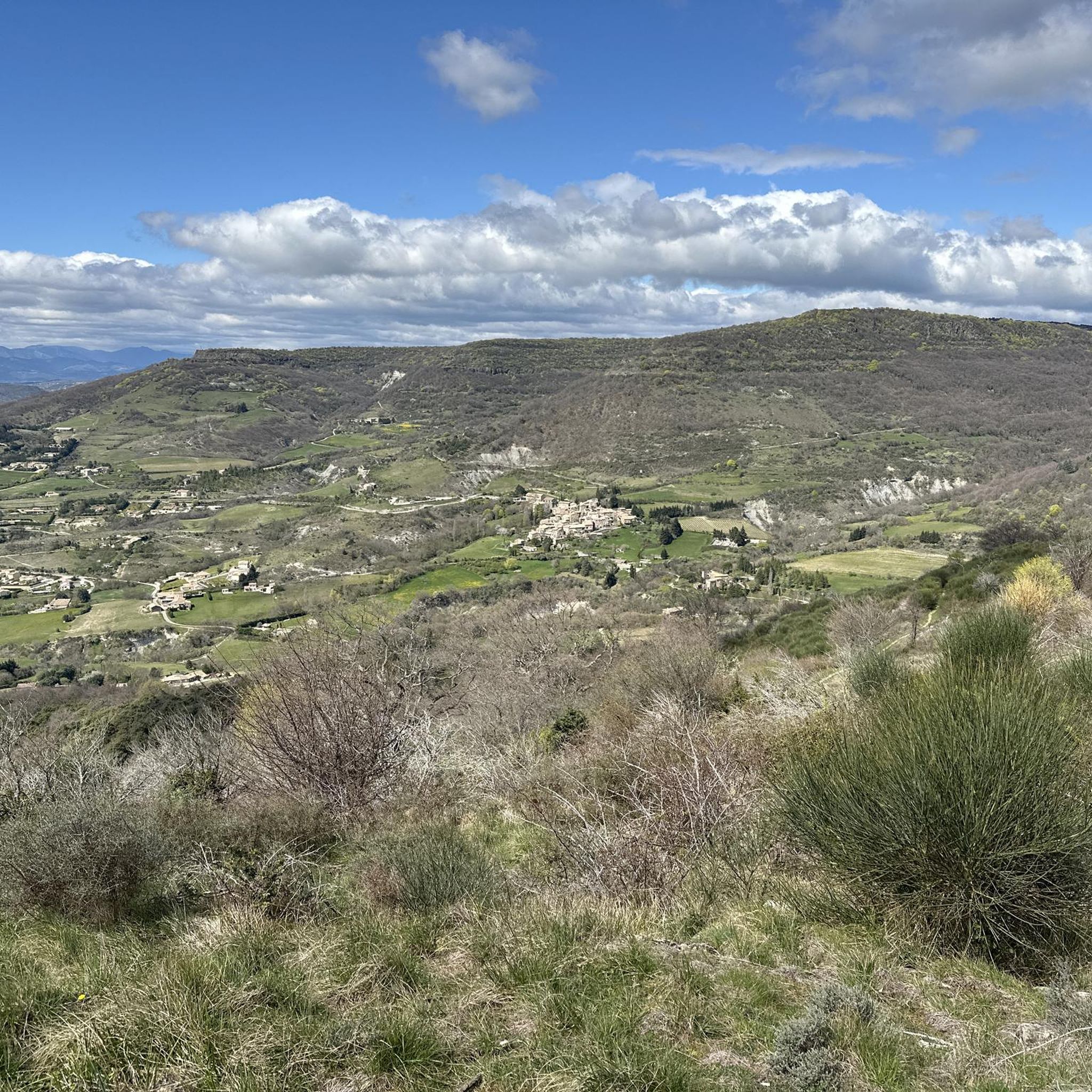
Castles around Aubignas are integral to the village's character, which is built predominantly from dark volcanic basalt. This area offers a distinctive medieval experience, with its architecture blending seamlessly with the natural landscape. The village features historical structures like the primary Château d'Aubignas, integrated with the local church, and a second château with a square tower. Exploring Aubignas provides a tangible connection to its past as a fortified medieval settlement.
Best castles around Aubignas
- The most popular castles is La…
Last updated: October 4, 2026
Adhémar Castle
Highlight • Castle
Translated by Google •
Tip by

La Roche Castle
Highlight • Castle
Translated by Google •
Tip by

Sign up now to discover places like this
Get recommendations on the best single tracks, peaks, & plenty of other exciting outdoor places.
Rochemaure Castle
Highlight • Castle
Translated by Google •
Tip by

Gated bike trail, Châteauneuf-du-Rhône 🚴♂️
Highlight • Cycleway
Tip by

Start today with a free account
Your next adventure awaits.
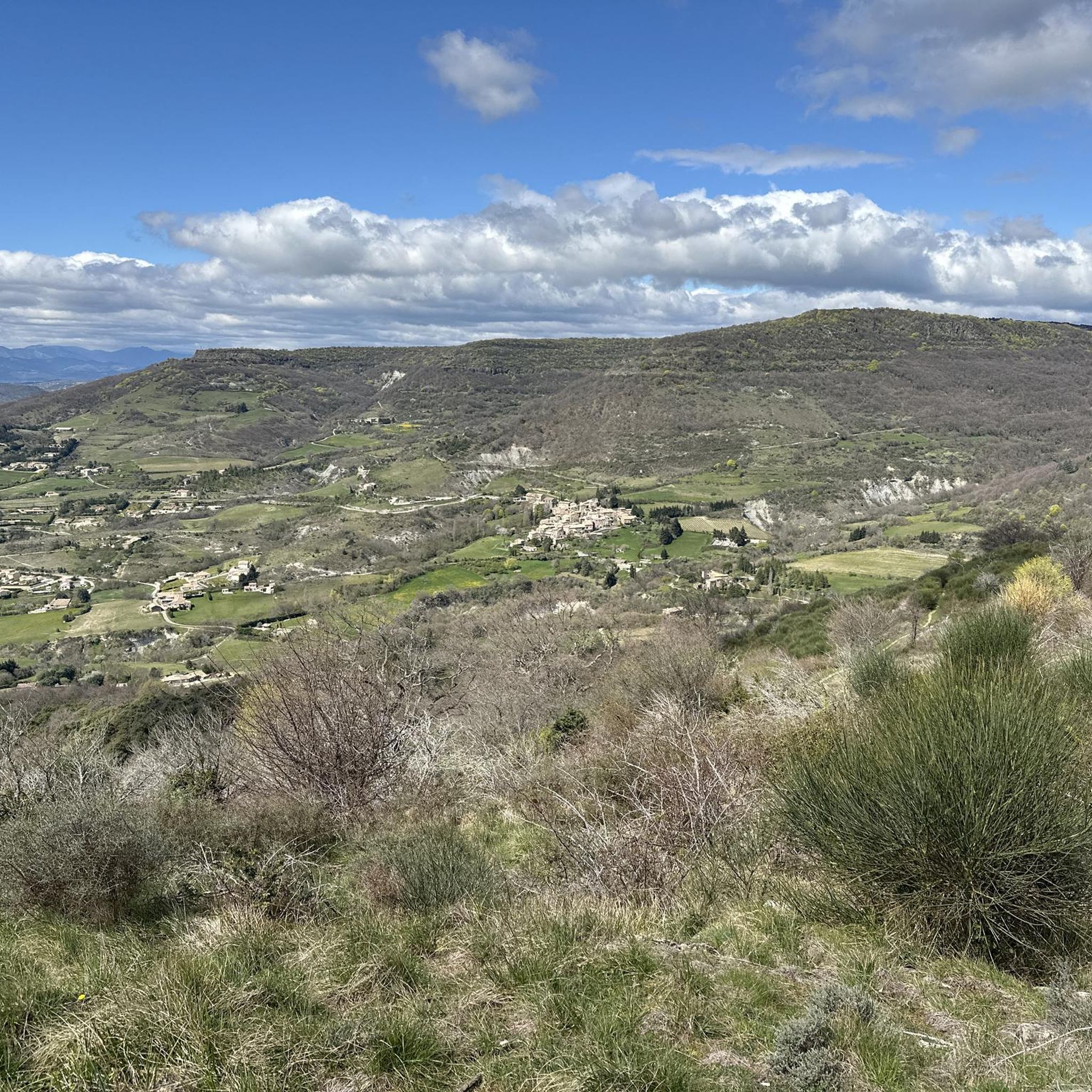
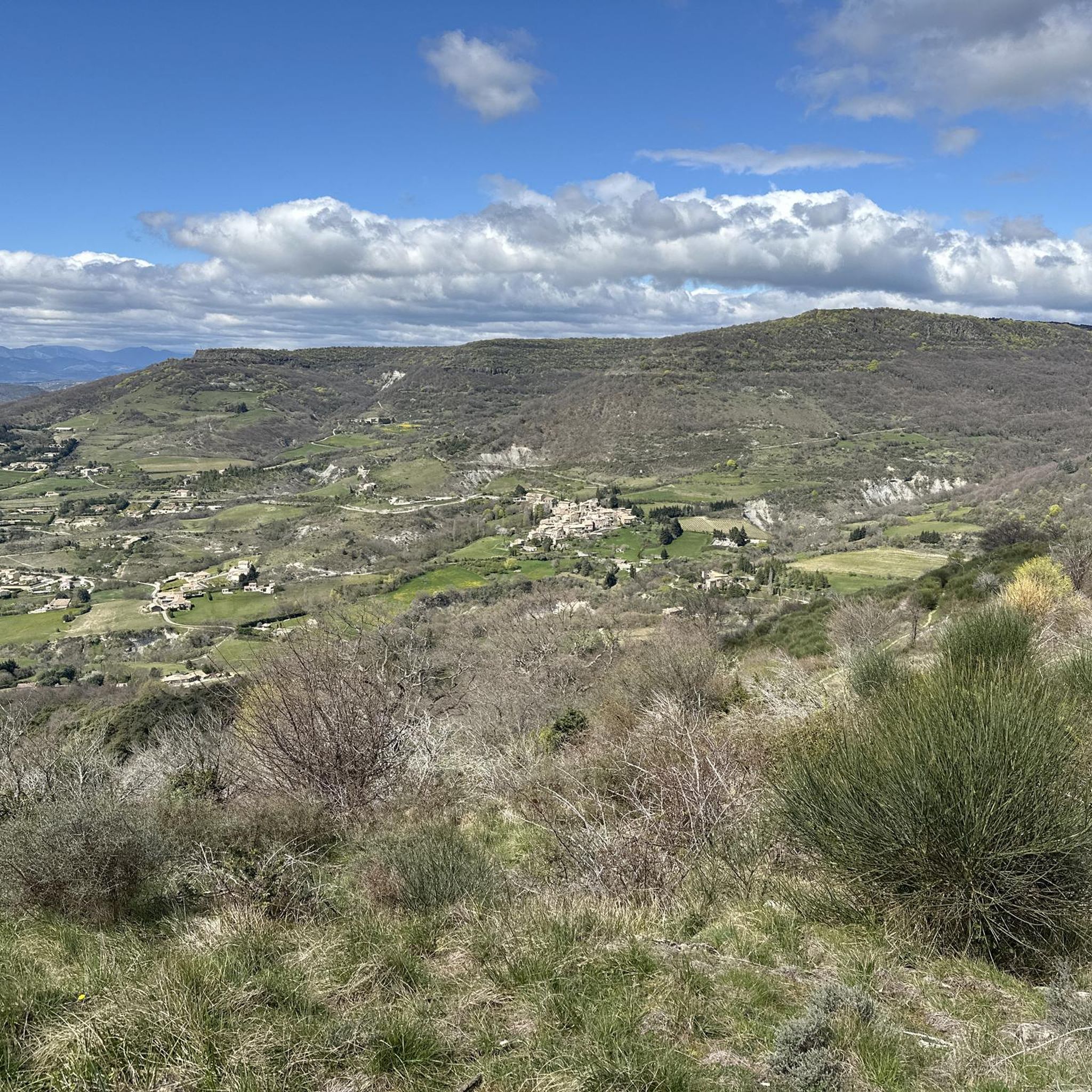
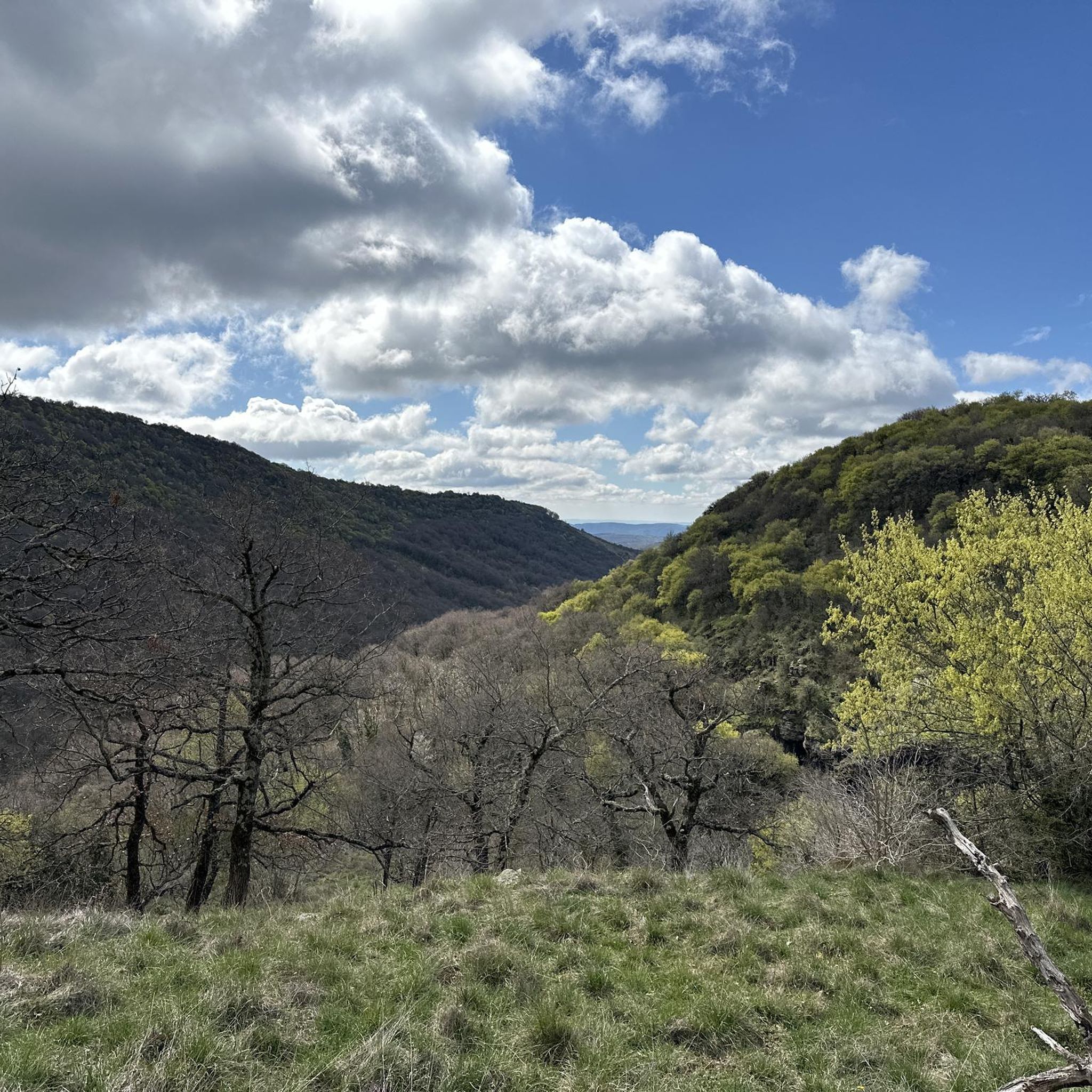
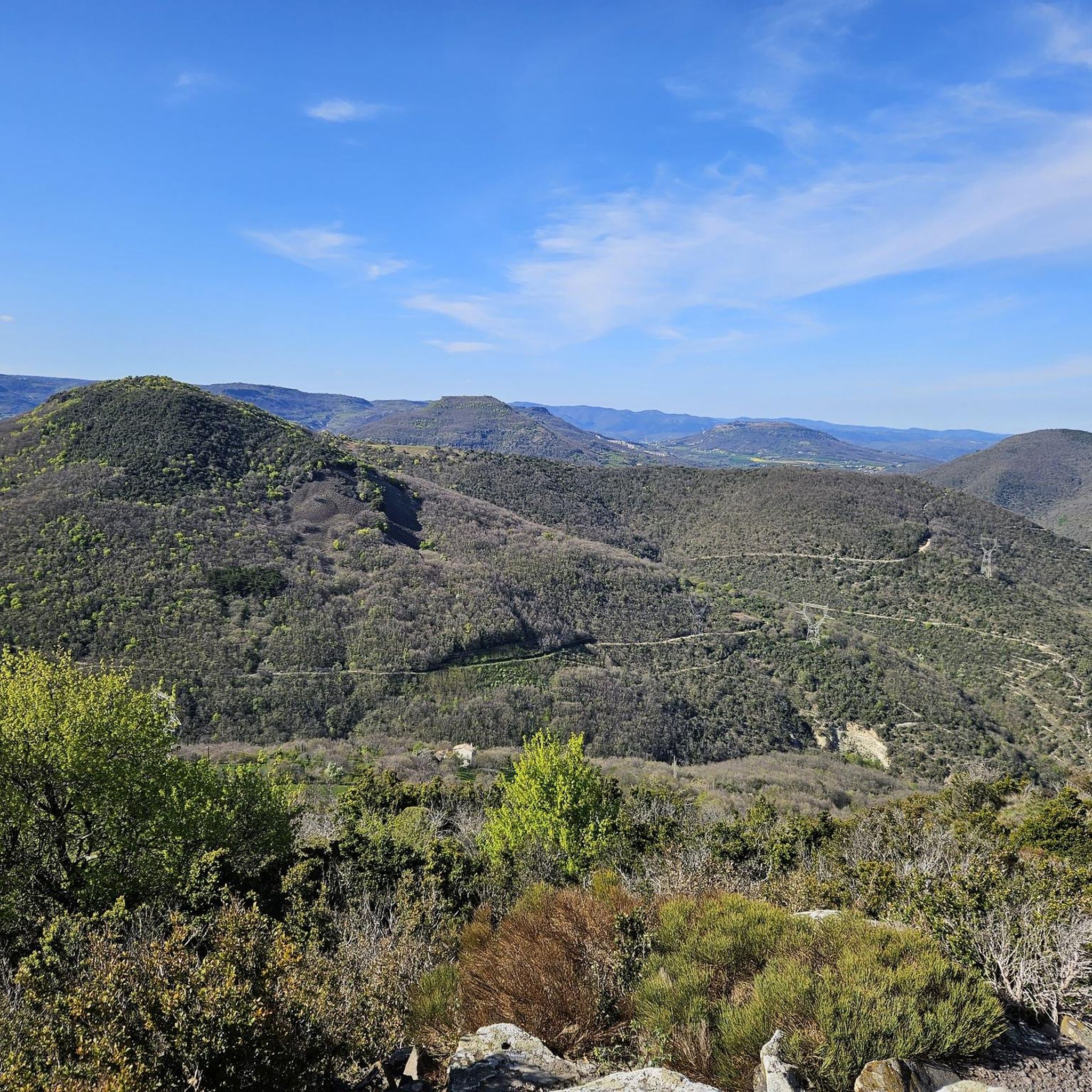

Tips from the Community

The Château des Adhémar in Montélimar is a stunning example of medieval architecture and a significant landmark in the Drôme region. Originally built in the 11th century by the Counts of Toulouse, it was expanded into a magnificent palace by the Adhémar family in the 12th century. Over the centuries, it has served as a fortress, citadel, and prison. Today, it is a publicly accessible monument historique and offers a fascinating insight into the region's history. Visitors can admire the well-preserved Romanesque architectural features and enjoy the breathtaking views from the battlements.
0
0

nice little walk visiting the town center of Montelimar with a stop at the restaurant Le Troquet next to the post office
0
0

Rochemaure Castle, perched above the eponymous village, is a historical treasure that transports us to the medieval past. Probably built by the Adhémar family between the 11th and 12th centuries, this castle has not yet revealed all its secrets.
1
0

Superb sporty hike to the Pic du Chenavary
2
0

Superb village, too bad the castle is only accessible in July and August. A very pleasant walk!
2
0

This basaltic plateau was actually home to two castles, one on the eastern slope and the other on the western slope. The eastern castle has disappeared, leaving the tower of the western castle balanced on the edge of the rocky plateau.
2
0
This basaltic plateau actually housed two castles, one on the eastern slope and the other on the western slope. The eastern castle has disappeared, leaving the tower of the western castle balanced on the edge of the rocky plateau.
2
0

Unfortunately only the tower is still intact. Great view from the Berg Castle.
0
0
Frequently Asked Questions
What makes the castles around Aubignas unique?
The castles in Aubignas are unique because they are integral to the village's character, which is built predominantly from dark volcanic basalt. This gives the entire medieval village a distinctive appearance, where the castle structures blend seamlessly with the surrounding architecture and natural landscape. The allure lies in the cohesive medieval village experience, not just individual castle buildings.
Can I visit the main Château d'Aubignas?
The primary Château d'Aubignas, often called 'Le Fort,' is integrated with the local church and dates back to the 11th century. While parts of it now house communal gîtes (lodgings), its external presence and integration with the church are a testament to the village's medieval defense system. Visitors can appreciate its basalt construction and historical significance as part of exploring the village.
Are there other notable castles near Aubignas besides those in the village?
Yes, several other significant castles are located nearby. You can explore La Roche Castle, where only a unique tower remains balanced on a rocky plateau. Another historical treasure is Rochemaure Castle, perched above its village and dating back to the 11th and 12th centuries. Additionally, Château de Mirabel offers magnificent views over the valley after a climb, and Adhémar Castle in Montélimar is a stunning example of medieval architecture.
What is the history behind the castles in Aubignas?
The castles in Aubignas have a rich history. The primary Château d'Aubignas dates back to the 11th century, originally a chapel with its primitive keep now serving as the church's bell tower. It was partially destroyed during the Wars of Religion in 1574 but restored in the late 16th century. A 'second château' was also constructed towards the end of the 16th century, featuring a square tower. These structures highlight Aubignas's strategic importance and resilience through centuries of change.
What is the best time of year to visit the castles around Aubignas?
The region around Aubignas is pleasant to visit during spring, summer, and early autumn. These seasons offer good weather for exploring the outdoor village and castle exteriors. While some castles might have limited access in winter, the unique basalt architecture of Aubignas can be appreciated year-round. Always check specific opening hours for any interiors you wish to visit.
How long should I plan for a visit to the castles in Aubignas?
To fully experience the medieval village of Aubignas and its two châteaux, including strolling through its unique basalt streets and exploring the architecture, you should plan for at least half a day. If you wish to visit other nearby castles like La Roche, Rochemaure, or Mirabel, a full day or more would be recommended to allow for travel and exploration of each site.
Are the castles and village of Aubignas accessible for all visitors?
The village of Aubignas is characterized by narrow, pedestrian-friendly alleys and is built on a slight incline, which might present challenges for visitors with limited mobility. While the external views of the castles are accessible, specific internal access details for the historical parts of the châteaux are not widely advertised. It's best to be prepared for walking on uneven surfaces.
Are there walking trails to or around the castles near Aubignas?
Yes, the area around Aubignas offers various walking opportunities. While specific trails directly to the castles within Aubignas are part of exploring the village itself, you can find routes that pass by or offer views of other castles. For example, the area around Château de Mirabel includes a pleasant descent for over 3 km after a climb to a magnificent viewpoint.
What outdoor activities can I do near the castles around Aubignas?
Beyond exploring the castles, the region offers excellent opportunities for cycling. You can find various routes for touring bicycles, road cycling, and gravel biking. For instance, there are routes like the 'Rochemaure Castle – View of Rochemaure loop' for touring bikes or the 'Château de Rochemaure – Rochemaure Footbridge loop' for road cycling. You can find more details on these activities in the Cycling around Aubignas guide.
Are the castle trails around Aubignas suitable for families or beginners?
Exploring the village of Aubignas itself is generally suitable for families, offering a pedestrian-friendly environment to discover its unique architecture. For cycling, there are moderate difficulty routes available, such as the 'Alba-la-Romaine – Valvignères loop' for touring bicycles. Always check the difficulty ratings for specific routes to ensure they match your family's or beginner's comfort level.
Can I bring my dog to the castles and trails in the Aubignas area?
While the village of Aubignas and its outdoor areas are generally dog-friendly for walks, specific rules for castle interiors or private properties may vary. It's always advisable to keep dogs on a leash and be mindful of local regulations. Many outdoor trails and paths in the surrounding region are suitable for dog walking.
What kind of natural features or wildlife might I encounter near the castles?
The most prominent natural feature is the volcanic basalt rock, which forms the distinctive dark architecture of Aubignas and the surrounding landscape. This geological characteristic creates a unique environment. While specific wildlife sightings are not guaranteed, the rural setting of the Ardèche department means you might encounter various local bird species and small mammals, especially on trails outside the main villages.
Most popular routes around Aubignas
Most popular attractions around Aubignas

Get inspired with the komoot mobile app


Explore more
Looking for the best castles somewhere else? Discover other guides around Aubignas:
