Attractions and Places To See around Signy-Le-Petit - Top 20
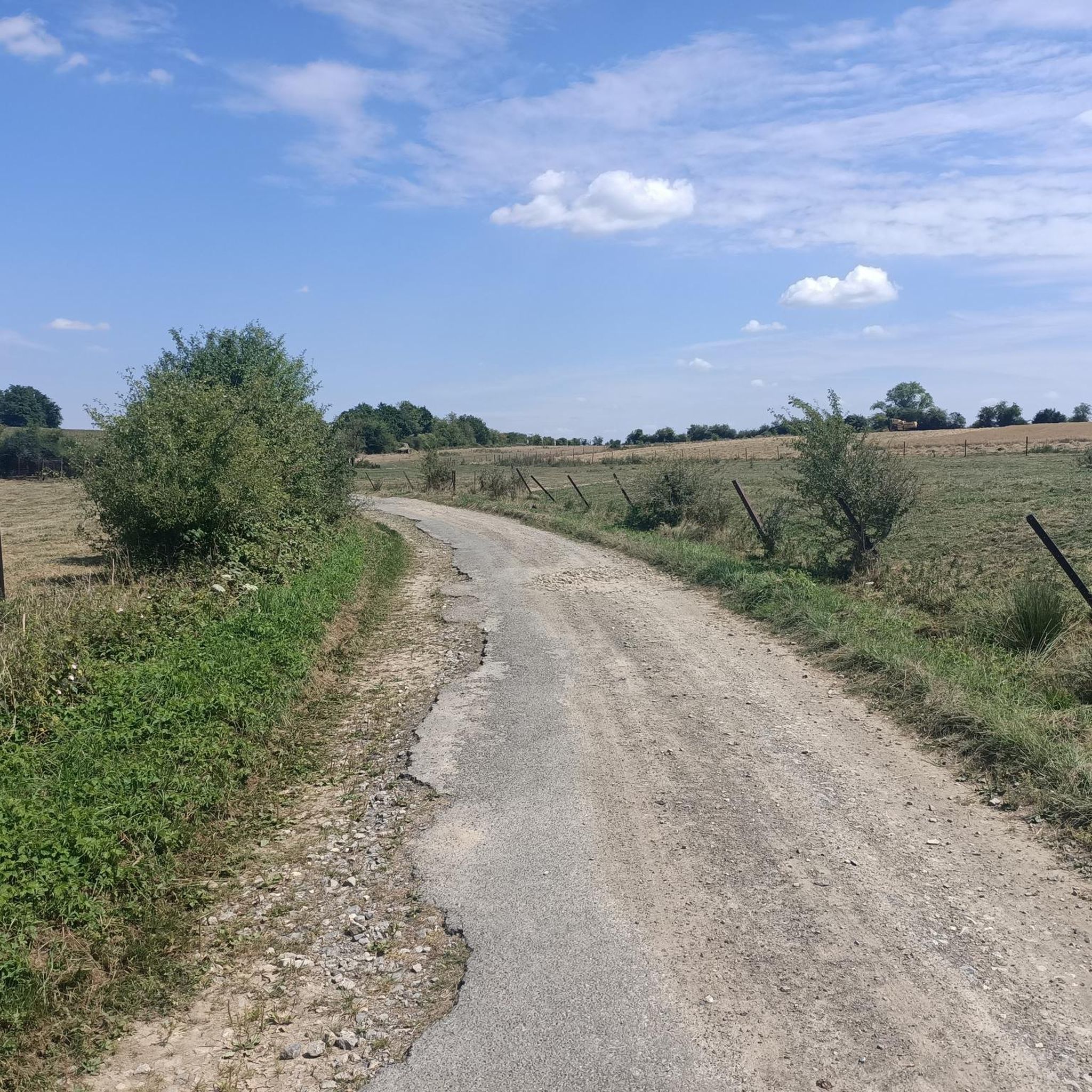
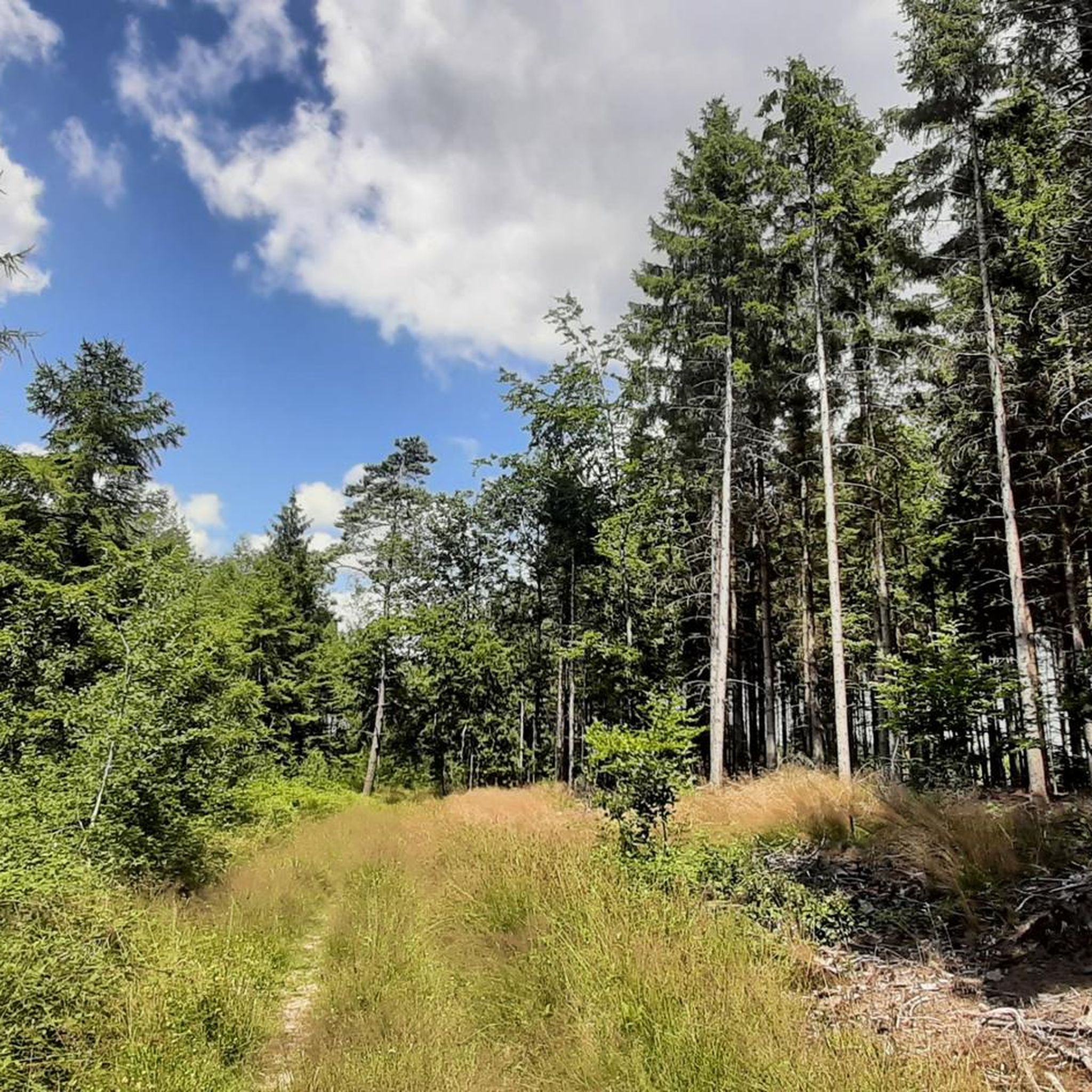
Best attractions and places to see around Signy-Le-Petit, a commune in the Ardennes region of France, offers a mix of natural beauty and historical landmarks. The area is characterized by numerous ponds, a state forest, and rolling landscapes. Its past is shaped by its border location, evident in sites like the Maginot Line. Visitors can explore natural features and historical sites.
Best attractions and places to see around Signy-Le-Petit
- The most popular attraction is Chimay Castle, a castle that reflects 1000 years of history. The town of Chimay is located in a clearing overlooking the Ardennes forest.
- Another must-see spot is Scourmont Abbey, a religious building where Trappist monks dedicate themselves to prayer and manual labor. Visitors can experience the simple life of the monks and view the impressive abbey and its church.
- Visitors also love Grand Marais East Casemate – Maginot Line, a historical site that served as a shelter for troops and housed machine guns during the 1930s. This casemate is a silent witness to the Maginot Line, a French defense line.
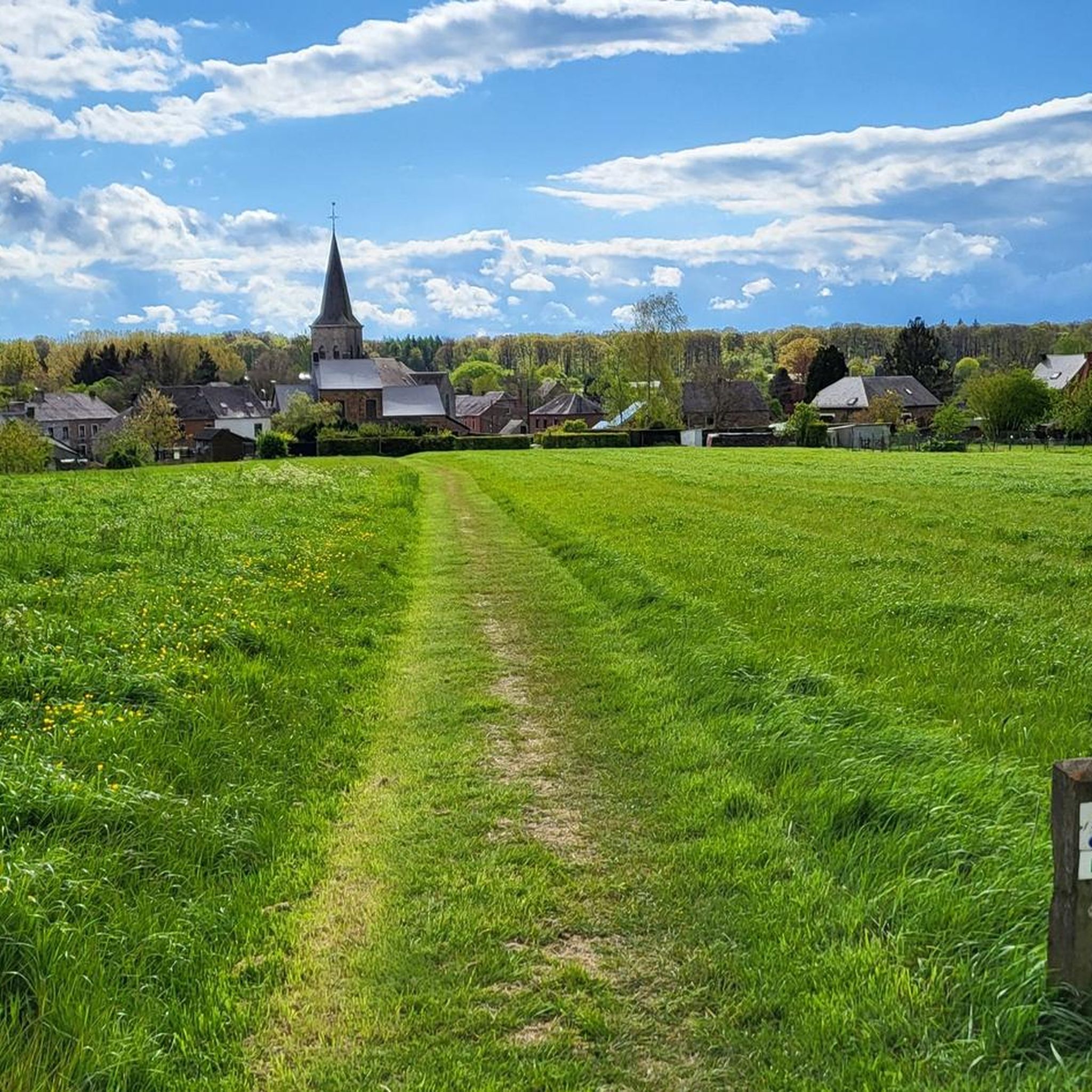
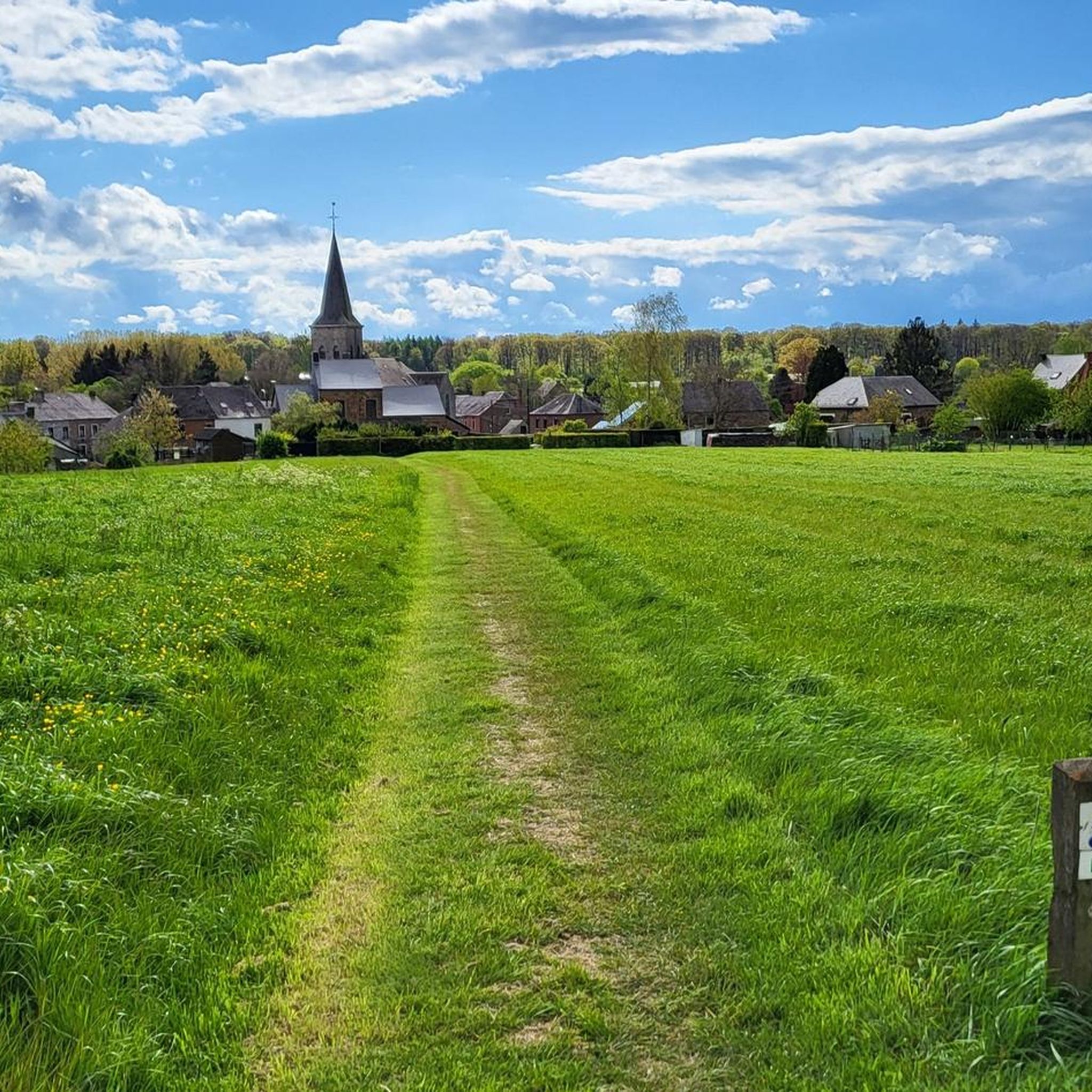
- Signy-Le-Petit is known for its historical sites, natural ponds, and extensive forest areas. The region offers a variety of attractions to see and explore, from fortified churches to hiking trails.
- The attractions around Signy-Le-Petit are appreciated by the komoot community, with more than 110 upvotes and over 145 photos shared by visitors.
Last updated: May 9, 2026
Chimay Castle
Highlight • Castle
Translated by Google •
Tip by

Scourmont Abbey
Highlight • Religious Site
Translated by Google •
Tip by

Sign up now to discover places like this
Get recommendations on the best single tracks, peaks, & plenty of other exciting outdoor places.
Sign up for free
Grand Marais East Casemate – Maginot Line
Highlight • Historical Site
Translated by Google •
Tip by

Bloc de la Limite No. 551 (Maginot Line)
Highlight • Historical Site
Historical explanation: The purpose of the line was to protect France against a surprise attack such as that which had occurred in the Franco-Prussian War of 1870, in which France had lost Alsace and part of Lorraine to Germany. When Alsace and Lorraine came fully back to France after the First World War, the old defenses were not only outdated, but also located too far from the new border. Moreover, France had lost so many soldiers in the First World War that the borders could not be adequately defended without additional measures.
The French Minister of War Paul Painlevé was the driving force behind the line, but eventually his successor and war veteran André Maginot submitted the plan for construction to the French Parliament in 1930. His project costing 2.9 billion francs (today: 1.5 billion euros) took a heavy toll on the French economy, precisely at a time of economic crisis. However, defense against Germany was considered vital, especially when Adolf Hitler came to power. In addition, it provided 20,000 jobs and electrified the border areas.
Source: nl.wikipedia.org/wiki/Maginotlinie
Translated by Google •
Tip by

Stone Crusher Ruins of Maubert-Fontaine
Highlight • Historical Site
Several personalities originating from Maubert-Fontaine have passed through the history of France and their names have been given to certain places: Jardin Bidois, former Jean-Marie Carré college. Other important characters were part of Maubert's story, such as Nicolas de Caruel and Napoleon Bonaparte who came to rest at the Hôtel du Grand Turc on the night of Waterloo. The proximity of the forest allows beautiful walks with certain points of interest: the 2-legged oak and the oak of the Franco-Belgian friendship. In the town you will find various sports facilities for all ages: playground, multi-sports ground, petanque ground, fitness room, sports complex, fishing pond.
Source: www-ardennes--thierache-com.translate.goog/fr/directory/entry/maubert-fontaine?_x_tr_sl=fr&_x_tr_tl=nl&_x_tr_hl=nl&_x_tr_pto=sc
Translated by Google •
Tip by
Sign up for free to discover even more attractions around Signy-Le-Petit.
Sign up for free
Already have an account?
Start today with a free account
Your next adventure awaits.
Login or Signup
Tips from the Community

Very nice building with large picnic tables for a break
0
0

Chimay, before being known for its superb castle, its monastic life, and its famous beer, is above all a forest town. The town is located in a clearing overlooking the Ardennes forest. It is at the Notre-Dame de Scourmont Abbey that the Trappist Cistercian monks make beer and cheese.
2
0

Interesting and worth seeing old town of Chimay.
3
0

The bunker is called " Bloc de limite No. 551
4
0

This casemate is typical of that encountered along the Maginot Line. This fortification line was built in the 1930s to prevent a German invasion. The casemates of the La Neuville-aux-Joutes forest mainly served as shelters for troops and locations for machine guns and light artillery.
0
0

Silent witness to the Maginot Line. Historical explanation: The purpose of the line was to protect France against a surprise attack such as that which had occurred in the Franco-Prussian War of 1870, in which France had lost Alsace and part of Lorraine to Germany. When Alsace and Lorraine came fully back to France after the First World War, the old defenses were not only outdated, but also located too far from the new border. Moreover, France had lost so many soldiers in the First World War that the borders could not be adequately defended without additional measures. The French Minister of War Paul Painlevé was the driving force behind the line, but eventually his successor and war veteran André Maginot submitted the plan for construction to the French Parliament in 1930. His project costing 2.9 billion francs (today: 1.5 billion euros) took a heavy toll on the French economy, precisely at a time of economic crisis. However, defense against Germany was considered vital, especially when Adolf Hitler came to power. In addition, it provided 20,000 jobs and electrified the border areas. Source: https://nl.wikipedia.org/wiki/Maginotlinie
5
0
Silent witnesses of the Maginot Line. The Maginot Line was a French defense line constructed between 1930 and 1938 on the borders with Belgium, Luxembourg and Germany in the north and with Italy in the south. The purpose of the line was to protect France against a surprise attack such as that which had taken place in the Franco-Prussian War of 1870, in which France had lost Alsace and part of Lorraine to Germany. When Alsace and Lorraine became part of France again after the First World War, the old defenses were not only outdated, but also too far from the new border. Moreover, France had lost so many soldiers in the First World War that its borders could not be adequately defended without additional measures. French Minister of War Paul Painlevé was the driving force behind the line, but ultimately his successor and war veteran André Maginot submitted the construction plan to the French parliament in 1930. His 2.9 billion francs (today: 1.5 billion euros) project placed a heavy burden on the French economy, especially at a time of economic crisis. However, defense against Germany was considered vital, especially when Adolf Hitler came to power. In addition, it created 20,000 jobs and electrified the border areas. Source: https://nl.wikipedia.org/wiki/Maginotlinie
1
0
Frequently Asked Questions
What natural features can I explore around Signy-Le-Petit?
The area is rich in natural beauty, notably its numerous ponds (étangs) such as Lac de la Motte, Lac de la Forge, and Lac du Gland. The Forêt Domaniale, a state forest spanning 310 hectares, offers diverse flora and fauna. You can also visit the unique Rocher de la Pierre Blanche, a rock formation outside the village.
What historical sites are there to visit near Signy-Le-Petit?
Signy-Le-Petit and its surroundings are steeped in history. You can visit the 17th-century Fortified Church, part of the 'Fortified Churches of Thiérache' circuit. The region is also traversed by the Maginot Line, with sites like the Grand Marais East Casemate and Bloc de la Limite No. 551 serving as silent witnesses to World War history. Further afield, Chimay Castle offers a glimpse into 1000 years of history.
Are there any family-friendly activities around Signy-Le-Petit?
Yes, the leisure center at Lac de la Motte is ideal for families, offering supervised swimming on a sandy beach during summer, mini-golf, picnic areas, and playgrounds. Many of the hiking trails through the Forêt Domaniale are also suitable for families, providing opportunities to enjoy nature together.
Where can I go hiking or walking near Signy-Le-Petit?
Signy-Le-Petit is excellent for hiking, with over 290 hectares of forest and numerous trails. Marked routes, such as the 19.7 km 'Forêt et étangs autour de Signy-le-Petit,' allow you to explore the natural surroundings. For more options, you can find various routes in the Hiking around Signy-Le-Petit guide, including easy and moderate trails.
What kind of outdoor activities can I do besides hiking?
Beyond hiking, the area offers opportunities for fishing in the local ponds and rivers. Horse riding is also an option, with an equestrian farm in Signy. For cycling enthusiasts, there are numerous gravel biking and mountain biking trails. You can explore routes in the Gravel biking around Signy-Le-Petit guide and the MTB Trails around Signy-Le-Petit guide.
What is the best time to visit Signy-Le-Petit for outdoor activities?
The summer months are particularly good for outdoor activities, especially for enjoying supervised swimming at the sandy beach of Lac de la Motte. Spring and autumn also offer pleasant weather for hiking and exploring the forests, with beautiful seasonal colors.
Are there any cultural attractions or museums in the area?
Yes, the Musée La Bras'seris d'Ardenne, housed in a former brewery, showcases objects from daily life and a collection of 19th and 20th-century artisanal glassware. Visits are free and preferably by appointment. Additionally, Scourmont Abbey offers a unique cultural and spiritual experience, where Trappist monks dedicate themselves to prayer and manual labor.
Can I visit sites related to the World Wars near Signy-Le-Petit?
Absolutely. The Maginot Line runs through Signy-Le-Petit, and you can visit casemates like the Grand Marais East Casemate, which served as troop shelters. Additionally, the Canadian Prisoners Memorial in Momignies commemorates a significant event during World War II, offering an interesting historical reminder.
What makes the Thiérache region around Signy-Le-Petit unique?
The Thiérache region is known for its distinctive rolling landscapes and fortified churches. You can explore these unique landscapes by car, with the option of renting restored 2CVs for a scenic drive, offering a charming way to experience the area's character.
What do visitors enjoy most about the attractions around Signy-Le-Petit?
Visitors particularly appreciate the blend of natural beauty and historical significance. The serene environment of the ponds and forests, combined with the rich history reflected in sites like the Maginot Line and the Fortified Church, offers a diverse and engaging experience. The community has shared over 145 photos and given more than 110 upvotes, highlighting the area's appeal.
Are there any easy hiking trails suitable for beginners near Signy-Le-Petit?
Yes, there are several easy trails perfect for beginners. For example, the 'Old Forge Pond – Virgin Mary Tree and Shrine loop from Signy-le-Petit' is an easy 7.3 km route. Another accessible option is the 'Virgin Mary Tree and Shrine – Old forge/old power station loop from Signy-le-Petit', which is about 6.8 km. These trails allow you to enjoy the natural surroundings without significant difficulty.

Get inspired with the komoot mobile app


Explore more
Still not found the Highlight you’re looking for? See guides of the top attractions in other regions:
