Attractions and Places To See around Auménancourt - Top 20
Best attractions and places to see around Auménancourt include a variety of historical and architectural sites. The region is characterized by its waterways, such as the Canal de l'Aisne à la Marne and the Aisne River, which have historically supported trade and transport. Visitors can explore significant landmarks reflecting the area's past, including military cemeteries and historic churches. Auménancourt offers insights into both local heritage and broader historical events.
Best attractions and places to see around Auménancourt
- The most popular…
Last updated: August 11, 2026
Cormicy National Necropolis
Highlight • Other
Translated by Google •
Tip by

St. Pierre Church - Guignicourt
Highlight • Other
Translated by Google •
Tip by

Sign up now to discover places like this
Get recommendations on the best single tracks, peaks, & plenty of other exciting outdoor places.
Sign up for free
Asfeld Church
Highlight • Other
Translated by Google •
Tip by

Mairie de Villeneuve-sur-Aisne
Highlight • Other
Translated by Google •
Tip by
End of the canal at berry-au-bac
Highlight • Other
Translated by Google •
Tip by
Sign up for free to discover even more attractions around Auménancourt.
Sign up for free
Already have an account?
Start today with a free account
Your next adventure awaits.
Login or Signup




Tips from the Community

The town hall of Guignicourt, now part of the merged municipality of Villeneuve-sur-Aisne since 2019, is located in the historic heart of the village. The building reflects the classic style of French rural municipalities and serves as the administrative centre for the region. Situated on the Aisne River, Guignicourt has a long history as a railway junction and trading centre in the former Laonnois.
10
0
In 1924, this memorial was erected in memory of the 22 soldiers and 12 civilians from Guignicourt who died during the First World War. The monument, located near the church, shows in relief a peasant couple mourning at a grave – a rare human and modest image rather than a classic military symbol. It recalls the deep suffering that the war left in this hard-hit municipality.
9
0
This church, built between the 11th and 13th centuries, is a fine example of transitional architecture between Romanesque and Gothic. It was built on the site of an earlier wooden church and possibly even a Gallo-Roman sanctuary. The construction was partly financed by the Abbey of Saint-Hubert (Belgium), which owned land in the region. The church has been protected as a historical monument since 1921.
9
0


Very nice building in the center of Villeneuve-sur-Aisne
3
0
Beautiful church with a World War I memorial in front of it
3
0
The Nécropole nationale de Cormicy is a French military cemetery from the First World War, located in the municipality of Cormicy, near Reims. The cemetery was created during the war to collect the bodies of the soldiers who died during the fighting on the Chemin des Dames. The cemetery was later expanded to include bodies excavated from other temporary cemeteries in the Vesle valley12. The cemetery has an area of 44,213 m² and contains 14,431 graves, of which 6,945 are in two ossuaries. Among the buried soldiers are two British from the First World War and ten from the Second World War. The cemetery is also called “La Maison Bleue”, after the farm that used to be there.
13
0
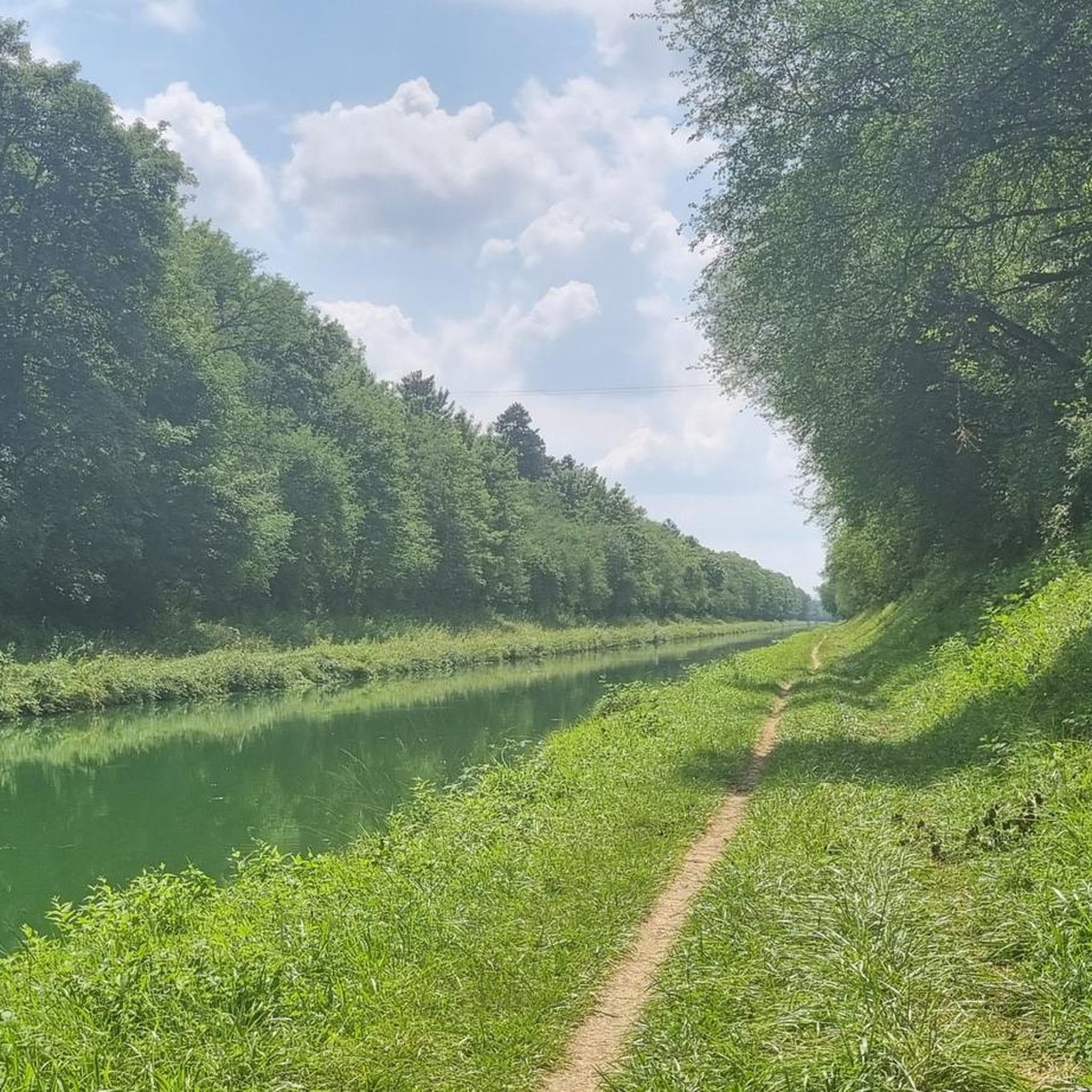
Ecluse n°1 de Berry-au-Bac is a lock located on the Aisne-Marne canal, near the village of Berry-au-Bac, in the Aisne department, in the Hauts-de-France region. It allows river navigation between the Aisne and the Marne and is located at the point where the Aisne-Marne canal meets the canal on the Aisne side.
12
1
Frequently Asked Questions
What historical sites can I visit around Auménancourt?
The region offers several significant historical sites. You can explore the Cormicy National Necropolis, a French military cemetery from the First World War. Another important site is St. Pierre Church - Guignicourt, an 11th-13th century church featuring a World War I memorial.
Are there any notable architectural landmarks in the area?
Yes, the Asfeld Church is a remarkable Baroque church from the 17th century. Its unique design, inspired by a musical instrument and built with 138 pillars and columns, makes it a rare jewel of French heritage. The Mairie de Villeneuve-sur-Aisne also showcases classic French rural architecture.
What role do waterways play in the region's attractions?
Waterways are central to the region's history and infrastructure. You can visit the End of the canal at berry-au-bac, which is Ecluse n°1 de Berry-au-Bac, a lock on the Aisne-Marne canal. This lock facilitates river navigation and highlights the historical importance of the canal system for trade and transport in the area.
What outdoor activities are available near Auménancourt's attractions?
The area around Auménancourt is excellent for various outdoor activities. You can find numerous cycling routes, including road cycling, mountain biking, and general touring. For example, there are routes like the 'Reims green corridor – Canal de l'Aisne à la Marne loop' for touring bicycles, or the 'Fort de Chenay – Vinyard of the Chenay loop' for mountain biking. Explore more options on the Cycling around Auménancourt guide.
Are there cycling routes suitable for different skill levels?
Yes, the cycling routes near Auménancourt cater to various skill levels. You can find easy touring bicycle routes like the 'Camping Au Bord de l'Aisne loop' (12.5 km) or more challenging road cycling routes such as the 'Hermonville – Vauclair Abbey loop' (118.5 km). Mountain biking trails also range from easy to difficult. Check the specific guides for Road Cycling, MTB Trails, and General Cycling for detailed information.
What is the best time to visit attractions around Auménancourt?
The region is generally pleasant to visit from spring through autumn (April to October) when the weather is mild and suitable for exploring historical sites and enjoying outdoor activities along the canals. Summer offers warmer temperatures, ideal for cycling, while spring and autumn provide comfortable conditions for walking and sightseeing with fewer crowds.
Are the attractions around Auménancourt family-friendly?
Many of the historical and architectural sites, such as the churches and the canal lock, can be interesting for families, especially those with an interest in history and culture. The outdoor cycling routes also offer opportunities for family outings, with several easy options available. Consider the age and interests of your family members when planning your visit.
What do visitors enjoy the most about the attractions in Auménancourt?
Visitors particularly appreciate the rich history and unique architecture of the region. The Asfeld Church is often highlighted for its stunning Baroque design and interesting audio tour. The historical significance of sites like the St. Pierre Church - Guignicourt and the Cormicy National Necropolis also resonates deeply with those interested in the area's past. The komoot community has shared 18 photos and given 14 upvotes, indicating a positive visitor experience.
Are there any hidden gems or less-known places to explore?
While not strictly 'hidden,' the Mairie de Villeneuve-sur-Aisne, located in the historic heart of what was once Guignicourt, offers a glimpse into classic French rural municipal architecture and the administrative history of the region. It's a charming spot that reflects the local heritage beyond the more prominent historical sites.
Can I find easy walking trails around Auménancourt?
While specific 'easy walking trails' are not detailed in the attractions data, the general cycling guides often include routes with easy difficulty grades that can be adapted for walking. For instance, some sections along the Aisne-Marne canal, particularly near the End of the canal at berry-au-bac, might offer pleasant, flat walking opportunities. For dedicated walking routes, you might explore the Cycling around Auménancourt guide for routes that could be suitable for pedestrians.
Is public transport available to reach attractions in Auménancourt?
Public transport options in rural areas like Auménancourt can be limited. While specific routes are not detailed, it's advisable to check local bus schedules or regional train services that might connect to larger towns near the attractions. For flexibility, driving or cycling are often the most convenient ways to explore the various sites.
Are there cafes or places to eat near the attractions?
The attractions are located in and around various villages. While specific cafes are not listed, you can typically find local eateries, bakeries, or small shops in the centers of towns like Guignicourt (now part of Villeneuve-sur-Aisne) or Berry-au-Bac, especially near the main highlights. It's recommended to check local listings for current operating hours and availability.
Most popular routes around Auménancourt

Get inspired with the komoot mobile app


Explore more
Still not found the Highlight you’re looking for? See guides of the top attractions in other regions:
