Attractions and Places To See around Saint-Christ-Briost - Top 20
Best attractions and places to see around Saint-Christ-Briost offer a blend of historical sites and natural landscapes in the Somme department of France. The area is characterized by its rural setting and is drained by the Somme River, Canal de la Somme, and Omignon River, providing a tranquil environment. Visitors can explore local heritage, including historical monuments and sites related to World War I. The region also features various outdoor activities centered around its waterways and countryside.
Best attractions and…
Last updated: May 21, 2026
Historial of the Great War – Château de Péronne
Highlight • Castle
Translated by Google •
Tip by

Château de Péronne
Highlight • Castle
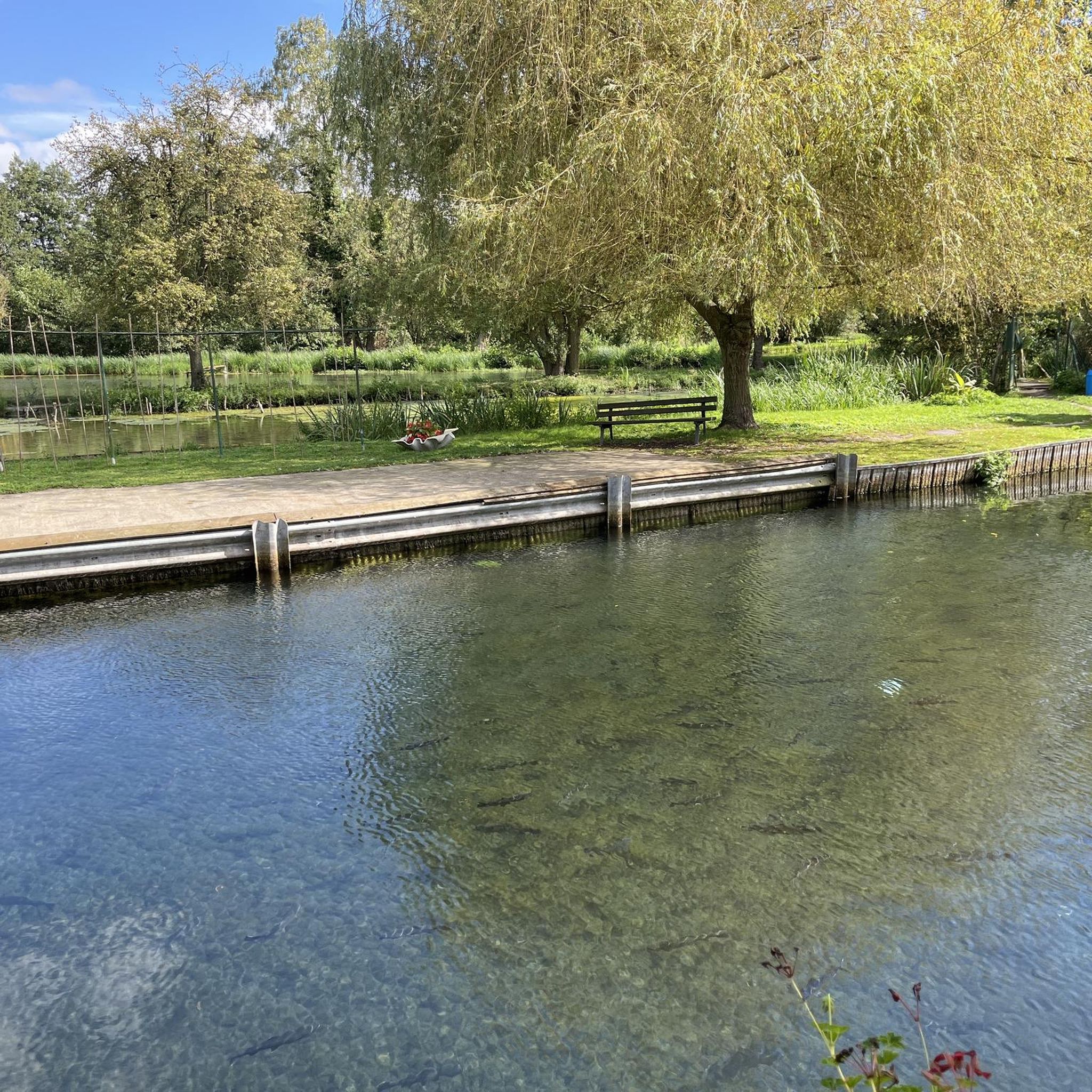
The Somme here forms natural ponds that surround the city, giving it an undeniable attractiveness. Its old center is on a small hill which dominates the whole.
Translated by Google •
Tip by
Sign up now to discover places like this
Get recommendations on the best single tracks, peaks, & plenty of other exciting outdoor places.
Sign up for free
Canal du Nord
Highlight • River
Translated by Google •
Tip by

Château d'Happlincourt
Highlight • Castle
Showing Translation
Tip by
Cycle path of the Somme Valley
Highlight • Cycleway
Translated by Google •
Tip by
Sign up for free to discover even more attractions around Saint-Christ-Briost.
Sign up for free
Already have an account?
Start today with a free account
Your next adventure awaits.
Login or Signup

Tips from the Community

Also a bicycle repair and electric bike charging point
0
0

The castle is almost invisible from the towpath. Good that the highlight is positioned correctly, otherwise you will definitely miss it.
5
1
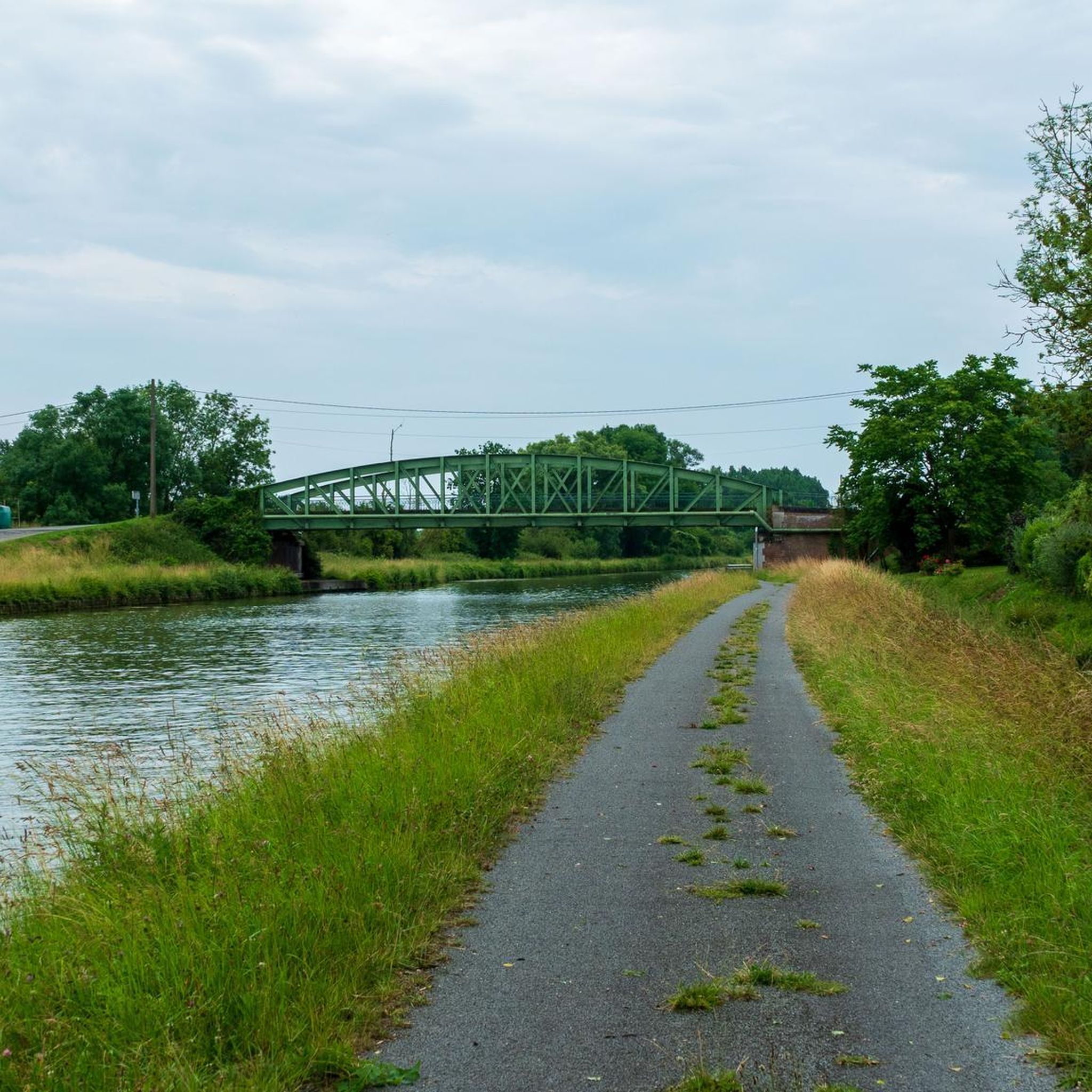
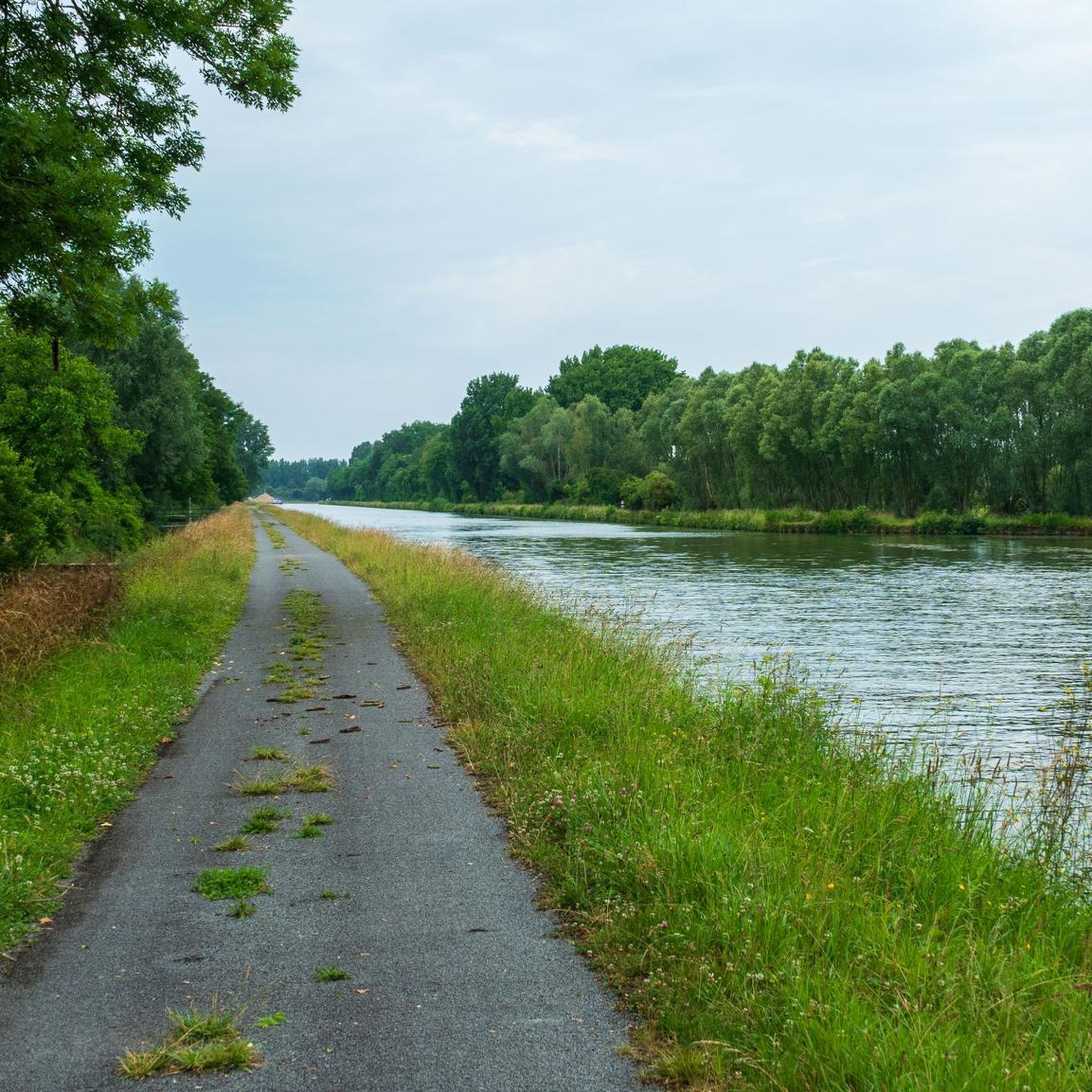
The Canal du Nord is a 95 km long canal in northern France that connects the Oise Valley to the Dunkirk-Scheldt Canal. Construction began in 1908, but was interrupted by the First World War. The canal was not completed and opened to navigation until 1965. The canal has 19 locks and two tunnels, including the Ruyaulcourt Tunnel, which spans a height difference of 40 metres. The Canal du Nord is an important waterway for inland navigation, but will be replaced in the future by the Seine-Nord Europe Canal, a more modern connection.
5
0
The Château d'Happlaincourt, a medieval castle, dates from the 13th century and was originally a fortified structure with a square floor plan, surrounded by water. During the First World War, the castle was largely destroyed, leaving only ruins today. Historically, it played a role in the Catholic League in the 16th century, when Jacques d'Humières drew up a manifesto there to restore the Catholic religion.
5
1

The museum covers the period of the First World War in all its aspects: military, social, cultural.
0
0
This museum is located on the front lines of the Battle of the Somme. The white concrete design by architect Henri-Edouard Ciriani describes a gentle arc set into the southwest wall of the medieval castle. It forms a harmonious whole with the four large round towers, each with a diameter of 9 m. The building at the Etang du Cam stands on a series of smooth white concrete columns, creating a beautiful reflection in the water. The rooms are accessed through an opening in the wall of the 13th-century castle, which was built by the Counts of Vermandois. Charles the Bold imprisoned Louis XI in one of the towers.
2
0

Very nice museum in a great, historic building. A must visit on a bike tour 😍.
3
0

Whether on the Somme or on the canals: driving on the water is always pleasant. Water-rich area...
1
0
Frequently Asked Questions
What historical sites can I explore near Saint-Christ-Briost?
The region is rich in history, particularly related to World War I. You can visit the Historial of the Great War – Château de Péronne, which offers a comprehensive look at the conflict from various perspectives. The town of Péronne itself, with its charming Château de Péronne, is also worth exploring. Further afield, the 12th-century Château d'Happlincourt, though largely in ruins, offers a glimpse into medieval history. Locally, you can find La Chapelle de Briost, a classified historical monument, and the rebuilt Église Sainte-Jules.
Are there any natural attractions or waterways to visit?
Yes, Saint-Christ-Briost is nestled within the Artois-Picardie basin and is drained by the Somme River, the Canal de la Somme, and the Omignon River. These waterways are central to the area's natural beauty. The Canal du Nord also passes nearby, offering scenic views and opportunities for cycling. The local official site highlights the village's ponds, such as Étang d'Omignon, where fishing is a popular activity.
What outdoor activities are popular around Saint-Christ-Briost?
The area is ideal for various outdoor activities, especially cycling and running. The Somme Valley Cycle Path is a top recommendation, allowing you to discover the towpath along the Somme River. You can find numerous cycling routes, including those along the Canal du Nord. For more options, explore the dedicated guides for Cycling around Saint-Christ-Briost, Running Trails around Saint-Christ-Briost, and MTB Trails around Saint-Christ-Briost.
Are there family-friendly attractions in the area?
Absolutely. Many of the historical sites, such as the Historial of the Great War – Château de Péronne, are designed to be engaging for all ages. The extensive network of cycle paths, including the Somme Valley Cycle Path and routes along the Canal du Nord, are generally easy and suitable for family outings. The tranquil rural landscape also provides opportunities for nature walks and appreciating the countryside together.
What are some easy walks or beginner hiking routes near Saint-Christ-Briost?
The region's flat terrain, especially along the rivers and canals, makes for many easy and accessible walking and cycling routes. The Somme Valley Cycle Path, with its smooth bitumen coating, is an excellent choice for an easy stroll or bike ride. You can also find numerous circular walks that explore the peaceful countryside and waterways. For specific routes, check the Cycling around Saint-Christ-Briost guide, which includes easy options like the 'Château de Péronne – Saint John the Baptist Church loop from Biaches'.
What is the best time to visit Saint-Christ-Briost for outdoor activities?
The spring and autumn months generally offer pleasant weather for outdoor activities like cycling and hiking, with milder temperatures and beautiful scenery. Summer is also popular, especially for enjoying the waterways, but can be warmer. The region's rural charm can be appreciated year-round, though some paths might be less accessible in winter.
Are there any viewpoints in the Saint-Christ-Briost area?
While specific named viewpoints are not highlighted, the rural landscape and the elevated positions of some historical sites offer scenic vistas. For instance, the old center of Péronne is on a small hill dominating the surrounding natural ponds, providing attractive views. Cycling or walking along the Somme River and Canal du Nord also provides picturesque perspectives of the waterways and countryside.
What do visitors enjoy most about Saint-Christ-Briost?
Visitors particularly appreciate the blend of historical significance and tranquil natural beauty. The opportunity to explore World War I history at sites like the Historial of the Great War – Château de Péronne, combined with the peaceful cycling and walking routes along the Somme River and canals, is a major draw. The charming town of Péronne and the overall serene rural environment also contribute to a highly valued experience.
Are there any markets or local shopping opportunities nearby?
Yes, for local markets and shopping, you can visit nearby towns. Péronne, located about 8.4 km away, and Saint-Quentin, approximately 26 km away, both host markets on various days of the week. These markets offer a chance to experience local life and find regional products.
What are some notable architectural sites in the wider region?
Beyond the local historical sites, the wider region boasts significant architectural landmarks. The 16th-century town hall in Saint-Quentin is a remarkable example of Renaissance architecture. Further afield, about 45 km from Saint-Christ-Briost, the 13th-century Amiens Cathedral stands as a superb and iconic example of Gothic architecture, a UNESCO World Heritage site.
Can I find routes that explore the history of the Great War?
Yes, the region is deeply connected to Great War history. The Somme Valley Cycle Path allows you to explore places steeped in this history. Many cycling and hiking routes in and around Saint-Christ-Briost specifically explore the French front and the Canal du Nord, offering a poignant journey through historical landscapes. The Historial of the Great War – Château de Péronne is a central point for understanding this period.
Most popular routes around Saint-Christ-Briost

Get inspired with the komoot mobile app


Explore more
Still not found the Highlight you’re looking for? See guides of the top attractions in other regions:
